
Plants
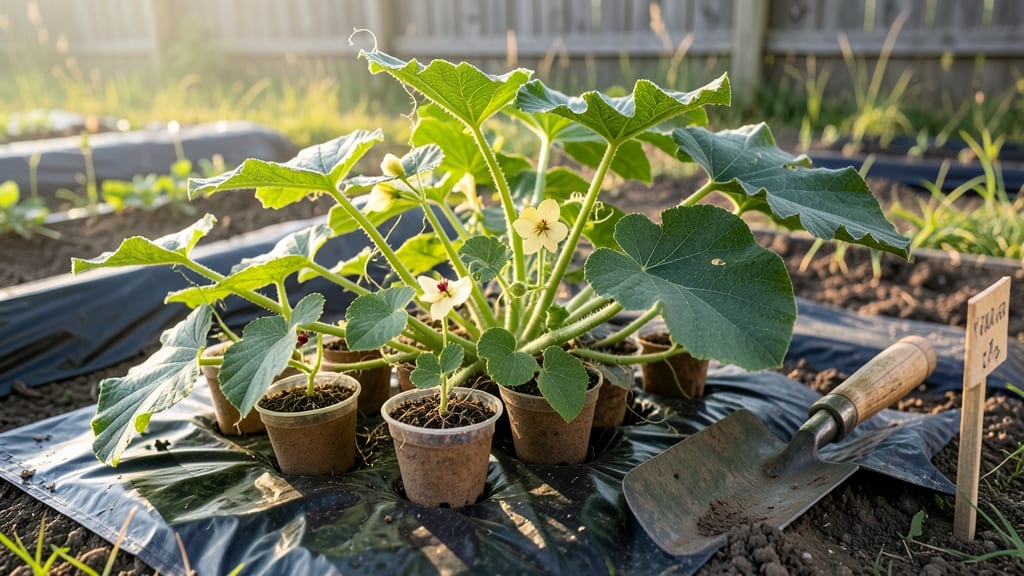
Planting watermelons in Arkansas after the last frost—typically mid-April to early May—sets the stage for a bountiful harvest.
Arkansas gardeners know that timing is everything when it comes to growing juicy, homegrown watermelons—but planting too early or too late can ruin your harvest. With Arkansas' diverse climate zones, knowing the exact frost-free window for your area is key to avoiding frost damage and maximizing sweet yields.
Soil temperatures must reach at least 70°F before seeds go in the ground, and transplanting too soon can leave vines vulnerable to late frosts. Whether you're in the cooler Ozarks (Zone 6b) or the warmer Delta (Zone 8a), the right schedule makes all the difference.
In this guide, I’ll walk you through the best planting dates for your zone, how to adjust for Arkansas’ microclimates, and pro tips to extend your harvest—so you can enjoy those homegrown watermelons 🍉 all summer long.
Arkansas watermelon planting calendar by USDA hardiness Zones (6b, 7a, 7b, 8a)
Arkansas' diverse climate means your watermelon planting dates depend heavily on your USDA zone. In Zone 8a (southern Arkansas), you can start as early as early March, while Zone 6b gardeners in the Ozarks should wait until late April.
The key is planting after your average last frost date—but even more critical is waiting for soil temperatures to hit at least 70°F.
Watermelons are heat-loving annuals that bolt (produce flowers) when stressed by cold, so rushing the season often leads to poor yields. In North Arkansas (Zone 6b), the last frost typically occurs around April 15–May 1, but soil may take weeks to warm.
Meanwhile, southern Arkansas (Zone 8a) often sees frost-free conditions by mid-March, allowing for earlier starts.
Below is your zone-specific planting timeline, including when to direct sow seeds vs. transplant seedlings. Arkansas' Delta region (Zones 7b/8a) benefits from longer growing seasons, while the Ozarks (Zone 6b) face shorter windows—plan accordingly!
| Zone | Last Frost Date | Soil Temp Requirement | Direct Sow Window | Transplant Window | Harvest Window |
|---|---|---|---|---|---|
| 6b (Ozarks) | April 15–May 1 | 70°F+ (late April) | Late April–Early May | Early May (seedlings) | July–Early Sept |
| 7a (North Delta) | March 20–April 5 | 70°F+ (early April) | Mid-April | Late March–Early April | June–August |
| 7b (Central Arkansas) | March 15–March 30 | 70°F+ (late March) | Mid-April | Early April | June–September |
| 8a (South Arkansas) | February 20–March 15 | 70°F+ (early March) | Early March–Mid-April | Late February–Early March | May–October |
*Note: Adjust dates 1–2 weeks earlier if using black plastic mulch to warm soil faster.
For Zone 8a gardeners, you can even direct sow as early as late February if you use row covers to protect seedlings from unexpected cold snaps. However, most Arkansas growers prefer to wait until soil temperatures consistently stay above 70°F—this prevents seeds from rotting and ensures strong germination.
In Zone 6b (Ozarks), where nights can still dip below 50°F in May, consider transplanting seedlings instead of direct sowing. Start seeds indoors 4–6 weeks before your last frost date (around March 15) for a head start. Harden off seedlings before moving them outdoors after May 1.
Pro tip: Use a soil thermometer to monitor temperatures—watermelon seeds won’t sprout below 60°F, and growth stalls below 70°F. In Zone 7a/7b, aim to have plants established by mid-April to avoid late-spring frosts, which can devastate young vines.
Once planted, watermelons need 6–10 feet of vine space and 8–10 hours of sunlight daily. In Arkansas’ humid climate, prioritize well-draining soil amended with compost to prevent rot.
Mulch with straw or black plastic to retain moisture and speed up soil warming—critical for early-season plantings in Zones 6b and 7a.
Remember: The earlier you plant
How to adjust planting dates for Arkansas’ microclimates (Ozarks vs. Delta vs. river valleys)
Arkansas’ diverse geography means your neighbor’s watermelon planting schedule might not work for you. The Ozark Mountains cool faster than the Delta’s sweltering lowlands, while river valleys like the White River create their own microclimates.
These differences can shift your frost-free window by weeks—meaning the wrong timing could leave you with wilted vines or underripe fruit.
For example, Fayetteville’s high elevation (USDA Zone 7b) often sees last frost dates in mid-April, while Jonesboro’s Delta flat (Zone 7a) typically warms up by late March. Even within Little Rock’s river valley, urban heat islands can push soil temperatures 5–10°F warmer than surrounding areas.
Adjusting your planting dates based on these microclimates ensures your watermelons thrive.
- 🌄 Ozarks (e.g., Fayetteville, Eureka Springs): Wait until mid-to-late May for direct sowing—soil warms slower at higher elevations. Use black plastic mulch to accelerate heating.
- 🌊 River Valleys (e.g., Little Rock, Pine Bluff): Plant by early April—warmer microclimates near water bodies allow earlier starts. Monitor for excess humidity, which can spread disease.
- 🌡️ Delta (e.g., Jonesboro, Helena-West Helena): Begin sowing late March—hot, humid air speeds up germination. Prioritize disease-resistant varieties like ‘Crimson Sweet’ or ‘Sugar Baby.’
- 📊 Check NOAA Frost Maps: Use NOAA’s frost data to find your local last frost date. Add 2–3 weeks to this date for safe planting.
- 🌡️ Soil Temperature Test: Wait until soil reaches 70°F+ (use a soil thermometer). Cold soil stunts growth—even in the Delta, early plantings can fail if nights dip below 55°F.
Local weather patterns also play a role. The Ozarks’ cooler nights can delay fruit ripening by 1–2 weeks compared to the Delta, where high humidity might require more frequent disease monitoring.
For example, powdery mildew thrives in the Delta’s heat, so spacing vines 6 feet apart and using row covers early on can make a difference.
Pro tip: If you’re in a transition zone (like the Arkansas River Valley), split your planting. Start half your seeds indoors 2–3 weeks before your average last frost, then transplant after Memorial Day.
This hedges your bets against unpredictable spring weather. For direct sowing, aim for mid-May in the Ozarks and early April in the Delta.
Don’t forget to account for heat tolerance. Watermelons in the Delta may need shade cloth during 100°F+ spells to prevent sunscald, while Ozark growers should plan for longer maturing times.
Varieties like ‘Black Diamond’ (heat-tolerant) work well in the Delta, while ‘Moon and Stars’ (shorter season) suits the Ozarks better.
By tuning your planting dates to your microclimate—and using tools like NOAA frost maps—you’ll avoid common pitfalls like frost damage or blossom-end rot. Start with these adjustments, and you’ll be on track for a bountiful, homegrown harvest tailored to your corner of Arkansas. 🍉