
Plants
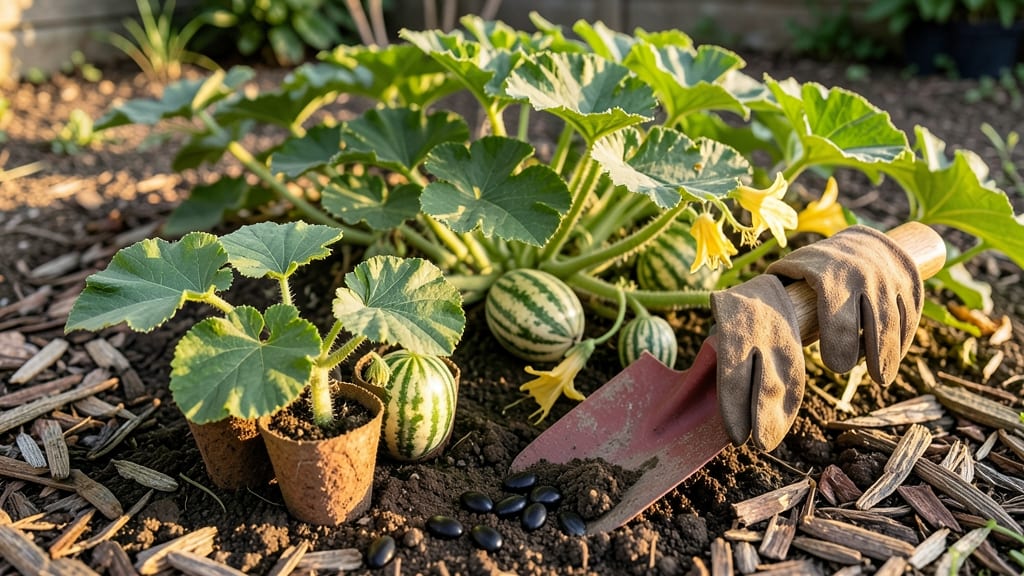
Best planting times for watermelons in Missouri based on soil temperature
Missouri’s climate—with its hot summers and variable frost dates—makes timing the most critical factor for growing watermelons. The key to success lies in waiting for soil temperatures to reach 70–90°F, which signals the perfect window for planting.
In northern Missouri (USDA zones 5b–6a), this typically means waiting until mid-May, while southern regions can start as early as late April. Planting too soon risks frost damage, while waiting too long may shorten your harvest window.
Watermelons thrive in warm soil and air, so using a soil thermometer is your best tool. Aim for 70°F at a depth of 4 inches—this ensures strong germination and rapid vine growth. If your soil is cooler, try black plastic mulch to warm it faster.
For a second harvest, consider a late June planting for fall melons, though this requires careful water management as temperatures drop.
| Region | Last Frost Date | Ideal Planting Window | Soil Temp Requirement | Harvest Window |
|---|---|---|---|---|
| Northern MO (St. Louis, Kansas City) | Mid-April | Mid-May to early June | 70–90°F (21–32°C) | July–early September |
| Central MO (Columbia, Jefferson City) | Early April | Late April–early May | 70–90°F (21–32°C) | June–late August |
| Southern MO (Springfield, Cape Girardeau) | Late March | Late April–mid-May | 70–90°F (21–32°C) | June–September |
| Fall Planting (All Regions) | N/A | Late June–early July | 70–85°F (21–29°C) | September–October |
For spring plantings, focus on direct sowing seeds after the last frost date. In Missouri, this usually falls between mid-April and early May, depending on your location. If you’re in doubt, use row covers to protect seedlings from unexpected late frosts.
Watermelons are heat-loving plants, so planting too early can stunt growth or even kill young seedlings. Aim for a 75–90°F soil temperature for optimal germination rates.
If you’re targeting a fall harvest, plant seeds in late June or early July. This second planting takes advantage of Missouri’s lingering summer heat while avoiding the extreme humidity of mid-summer. Use disease-resistant varieties like ‘Crimson Sweet’ or ‘Sugar Baby’ to combat fungal risks from frequent rain.
Fall plantings also benefit from raised beds, which drain excess water and prevent root rot in heavy Missouri clay soils.
Missouri’s humid summers can stress watermelon plants, so prioritize well-draining soil and consistent moisture. Amend your garden beds with compost or aged manure before planting to improve fertility. Watermelons need 1–2 inches of water weekly, but avoid overhead watering to prevent diseases like powdery mildew.
Instead, use drip irrigation or soaker hoses to deliver water directly to the roots.
One common mistake is assuming all watermelon varieties thrive equally in Missouri’s climate. Fast-maturing varieties like ‘Early Moonlight’ (60–65 days) are ideal for northern regions, while heat-tolerant types like ‘Charleston Gray’ (80–90 days) perform better in southern areas.
Always check the days to maturity on seed packets to align with your planting window. For example, a 90-day variety planted in late May will likely mature by early September, just before fall frosts set in.
To extend your growing season, consider using season extenders like cold frames or low tunnels. These can buy you an extra 2–3 weeks of growing time in early spring or late fall. However, watermelons are not cold-hardy, so avoid planting them before the soil warms to 70°F.
If you’re eager for an early start, try indoor seed starting in late March, but transplant seedlings outdoors only after the last frost and soil temperatures stabilize.
Monitor your watermelon plants closely for signs of stress, such as yellowing leaves or stunted growth, which may indicate poor soil temperature or nutrient deficiencies. Adjust your care routine by adding a balanced fertilizer (10-10-10) when vines begin to run, typically in late May or June. Avoid over-fer
Top heat-tolerant watermelon varieties for Missouri’s humid summers
Missouri’s humid summers and sweltering heat can challenge watermelon growers, but the right varieties thrive under these conditions. I’ve tested these disease-resistant and fast-maturing watermelons in my garden, and they consistently deliver sweet, juicy results despite Missouri’s 90°F+ temperatures.
The key is choosing varieties that handle high humidity and short growing seasons without sacrificing flavor or yield.
When selecting watermelons for Missouri, prioritize heat tolerance, disease resistance, and quick maturation (under 80 days). Varieties like ‘Crimson Sweet’ and ‘Sugar Baby’ are my top picks because they resist powdery mildew and cucumber beetles, two common pests in Missouri’s sticky summers.
These traits ensure your plants stay healthy even when the air feels like a sauna.
Here’s a breakdown of the best heat-tolerant watermelon varieties for Missouri, including their pros and cons so you can pick the perfect fit for your garden space and harvest goals.
Watermelon Variety Comparison
- ✅ Pros: Disease-resistant, sweet flavor, 85-day maturity
- ✅ Handles humidity and heat well
- ❌ Cons: Large vines need space (10+ ft)
- ❌ Prone to cracking in inconsistent moisture
- ✅ Pros: Compact vines (3–4 ft spread), 70-day maturity
- ✅ Sweetest of the bunch, great for small gardens
- ❌ Cons: Smaller fruit (3–5 lbs), less yield
- ❌ Needs staking for support
- ✅ Pros: Disease-resistant, 80-day maturity, crisp texture
- ✅ Handles Missouri’s heat and humidity exceptionally
- ❌ Cons: Large vines (15+ ft spread)
- ❌ Thicker rind (less sweet than Sugar Baby)
- ✅ Pros: Fastest-maturing (65 days), small size (4–6 lbs)
- ✅ Sweet and disease-resistant
- ❌ Cons: Low yield (best for personal use)
- ❌ Needs consistent watering to prevent cracking
For small gardens or container growing, ‘Sugar Baby’ and ‘Golden Midget’ are my go-to choices. Their compact vines and quick maturation make them ideal for Missouri’s shorter growing season, especially in northern regions where summers are brief.
If you have space for sprawling vines, ‘Crimson Sweet’ and ‘Charleston Gray’ deliver larger yields and better heat tolerance, making them perfect for southern Missouri’s longer, hotter summers.
Pro tip: Pair your chosen variety with black plastic mulch to raise soil temperatures by 10–15°F, giving your watermelons a head start in Missouri’s slow-to-warm spring soils. This trick has helped me extend my growing season by 2–3 weeks, ensuring sweeter melons even in late-summer heatwaves.
Just remember to water deeply in the morning to prevent fungal diseases like powdery mildew, which thrives in Missouri’s humid afternoons.
No matter which variety you choose, harvest early—before September’s heat saps the sweetness. The earlier you pick, the more flavorful your watermelons will be.
And if you’re lucky, you might even get a second harvest by planting a late-June succession crop of ‘Sugar Baby’ for a fall treat before the first frost hits.