
Plants
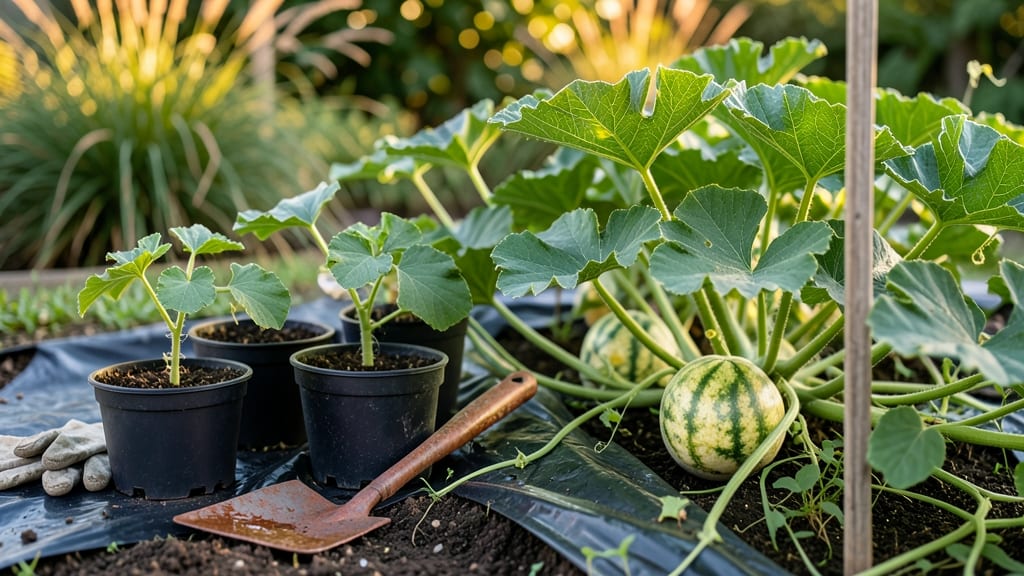
Planting watermelons in North Carolina after the last frost date—typically mid-April to mid-May—sets you up for a bountiful summer harvest.
You’ve got the climate on your side, but timing is everything: too early, and a late frost will wipe out seedlings; too late, and your melons may never ripen before the heat of August.
The key is knowing your zone—whether you’re in the Piedmont’s 7b or the coastal 8a—and matching it to the right variety.
Below, I break down the exact planting windows for NC’s regions, soil temperature thresholds (75°F+), and how to stretch your season with early or late varieties. No more guessing—just sweet, juicy 🍉 by July.
Ready to grow? You’ll also find pro tips for soil prep, pest protection, and when to start fertilizing for maximum yield.
NC planting zones & optimal watermelon start dates by region
North Carolina’s diverse climate—from the mountains of Asheville to the coastal plains—means your watermelon planting dates should align with local frost patterns and soil warmth. In USDA Zones 7b-8a, watermelons thrive when planted after the last frost, but timing varies by region.
For example, Raleigh’s average last frost is April 15, while coastal areas like Wilmington may see frost-free conditions by March 15. Soil temperature is the real key: watermelon seeds need 75°F+ soil to germinate reliably.
In Zone 7b (e.g., Asheville), late spring frosts can linger until May 10, so plan to start seeds indoors in March or wait until mid-May for direct sowing.
Meanwhile, Zone 8a gardeners (e.g., Raleigh, Charlotte) can plant outdoors as early as April 15, provided nighttime temps stay above 55°F. Coastal NC’s longer growing season lets you stretch harvests from June to September, while inland areas may only get a July-August window.
🌱
| Region | USDA Zone | Last Frost Date | Optimal Planting Window | Soil Temp Threshold | Harvest Window |
|---|---|---|---|---|---|
| Raleigh (Inland) | 8a | April 15 | April 20–May 10 | 75°F+ | July–August |
| Charlotte (Piedmont) | 7b-8a | April 10 | April 25–May 15 | 75°F+ | July–September |
| Asheville (Mountains) | 7b | May 10 | May 15–June 1 | 75°F+ | August–September |
| Coastal (Wilmington) | 8a | March 15 | March 30–April 15 | 75°F+ | June–September |
For direct-sowing, wait until nighttime temps consistently stay above 60°F and soil reaches 75°F. Use a soil thermometer to check—seeds won’t germinate below 70°F. In cooler zones like Asheville, opt for transplanting seedlings started indoors in March using biodegradable pots to avoid root shock.
Harden off seedlings by placing them outdoors for 2-3 hours daily starting 1 week before transplanting.
If you’re growing heirloom varieties like Crimson Sweet (90-day maturity), start earlier in Zone 8a (e.g., April 1) but protect seedlings with row covers if frost threatens. For fast-maturing varieties like Sugar Baby (75 days), coastal gardeners can plant as early as March 30 for a June harvest.
Always space vines 3–6 feet apart—watermelons need room to sprawl, and overcrowding leads to poor fruit development.
Humidity and summer heat in NC can stress watermelons, so mulch with straw or black plastic to retain moisture and regulate soil temperature. In Zone 7b, watch for late-season heat waves—if temps exceed 95°F, provide afternoon shade with shade cloth to prevent blossom drop.
Coastal areas may face hurricane risks in August-September, so harvest early or use trellises to elevate vines away from floodwaters.
Pro tip: Use black plastic mulch to warm soil faster and suppress weeds. Lay it down 1–2 weeks before planting to create a 75°F+ microclimate. Pair watermelons with bush beans or radishes as companion plants—they improve soil nitrogen and deter pests like cucumber beetles.
Avoid planting near potatoes or squash, which compete for nutrients and attract similar pests.
To extend your harvest, try staggered planting: sow a second batch 2–3 weeks after the first in Zone 8a. This ensures a continuous supply from July to September.
In Zone 7b, focus on heat-tolerant varieties like Charleston Gray, which ripen faster in shorter seasons. Always monitor fruit development
How to adjust planting dates for early vs. late varieties in NC
North Carolina’s 75-90 day watermelon varieties like Sugar Baby need precise timing to avoid late-summer heat stress, while 90-110 day varieties such as Crimson Sweet can handle NC’s extended growing season.
The key is balancing frost-free dates with maturity windows—especially in Zone 7b areas like Asheville or Zone 8a regions like Raleigh.
Early varieties planted too soon risk stunted growth from cool soils, while late varieties planted too late may not ripen before fall frosts. NC’s unpredictable spring weather adds another layer—some years, May frosts hit unexpectedly, while others bring early heat waves that dry out seedlings.
Here’s how to strategize for both types using staggered planting and microclimate adjustments to maximize your harvest window.
Early Varieties (75-90 Days)
Pros:
- Faster harvests (July-August)
- Better for short seasons
- Less heat stress risk
Cons:
- Limited time window (April-May planting)
- Smaller fruit size often
- Sensitive to late frosts
Late Varieties (90-110 Days)
Pros:
- Larger fruit yield
- Extended harvest (August-September)
- Better for heat tolerance
Cons:
- Risk of fall frosts
- Requires earlier planting (March-April)
- Longer vulnerability to pests
For early varieties, aim to plant after May 1st in most of NC to avoid late-spring frosts. Use row covers if planting in April—especially in higher elevations like the Blue Ridge Mountains.
These varieties thrive when soil temps hit 75°F+, so monitor with a soil thermometer.
Late varieties, however, need earlier starts—even late March in Zone 8a—to ensure 90+ days of growth before fall frosts. In coastal NC, where summers are longer, you can push planting to mid-April for late varieties.
Use black plastic mulch to warm soil faster and protect seedlings.
To extend your harvest, try two plantings: one of early varieties in late April and another of late varieties in early May. This creates a 3-4 week overlap in ripe watermelons, giving you continuous fresh fruit from July through September.
Just be sure to thin seedlings to 12-18 inches apart for optimal vine growth.
Remember, NC’s humidity and heat can accelerate growth—so stay vigilant about watering deeply (1-2 inches per week) and mulching to retain moisture. With the right timing adjustments, you’ll turn your NC garden into a watermelon powerhouse! 🍉