
Companion Plants
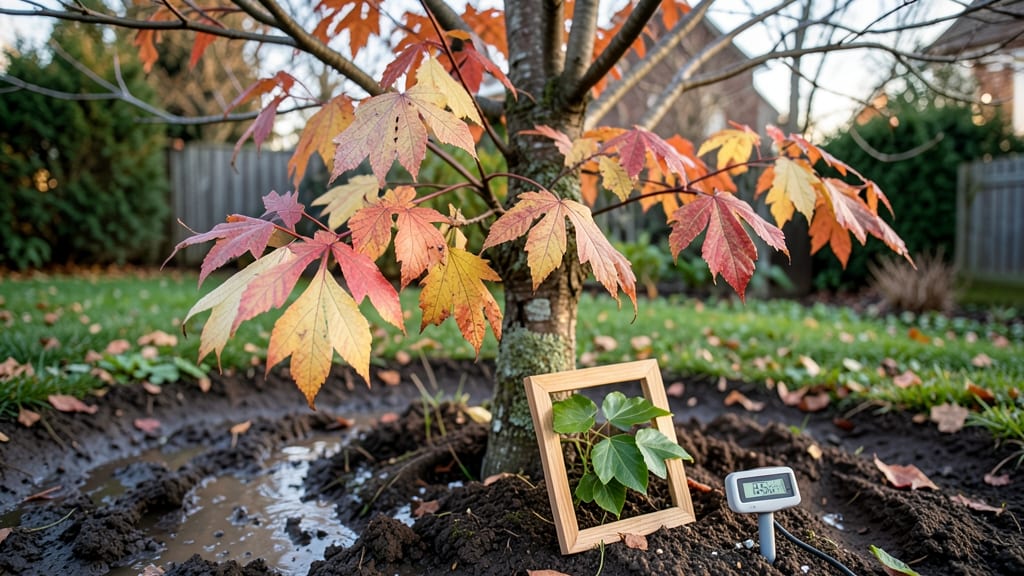
Will an overwatered tree recover? It depends on how quickly you act—early intervention can save it, but prolonged soggy roots cause irreversible rot. Watch for yellowing leaves, drooping branches, and moldy soil as red flags. Cut back on watering, loosen compacted soil, and add organic matter to help roots breathe again.
Overwatering creates a double threat: roots suffocate from lack of oxygen while fungal infections like Phytophthora take hold. 🌱 The good news? Trees like oaks or maples often bounce back within weeks if you stop drowning them and improve drainage.
For container plants, check soil moisture before watering—stick your finger in first! Severe cases may need professional help, but most trees just need a chance to dry out.
Here's what I've learned from years of garden mishaps: timing is everything. If you catch wilting within days, prune the worst leaves and let the soil dry completely between waterings.
For heavy clay soil, mix in perlite or sand to create air pockets. Patience pays off—some trees show new growth in as little as 2-3 weeks once the stress stops.
💡 In This Article
- How Overwatering Damages Tree Roots and Leaves
- Step-by-Step Recovery Plan for Overwatered Trees
How overwatering damages tree roots and leaves
When roots sit in soggy soil for too long, they can't absorb oxygen—a process called anoxia. Without oxygen, roots suffocate and begin to rot, starting with the fine feeder roots responsible for nutrient uptake.
This creates a domino effect: the tree's ability to transport water and nutrients to leaves collapses, causing yellowing (chlorosis) and leaf drop. 🌿 In severe cases, the rot spreads to larger roots, cutting off the tree's lifeline entirely.
Fungal pathogens like Phytophthora thrive in waterlogged conditions, attacking roots and creating lesions that block water flow. These infections often appear as dark, mushy spots on roots or at the soil line.
Unlike underwatering (which causes crispy, brown edges on leaves), overwatering symptoms include yellowing between leaf veins, soft stems, and a foul, sour smell from the soil. Think of it like drowning—roots can't breathe, and the tree gasps for air.
The damage doesn't stop at the roots. Excess moisture in the soil forces roots to work harder to extract nutrients, leading to nutrient deficiencies even when fertilizer is present. This is why overwatered trees often show signs of iron or nitrogen deficiency, despite having plenty in the soil.
The roots simply can't access them. For example, a maple tree might develop yellow leaves in late summer—a classic sign of stress from waterlogged roots.
Container-grown trees face even greater risk because their root systems have no escape from excess moisture. Without proper drainage holes, water pools at the bottom, creating a perfect storm for root rot.
In my own garden, I've seen lemon trees in pots collapse within weeks when left in saucers without drainage—roots turned black and mushy within days. The key difference? Overwatering creates a slow, silent death, while underwatering is an obvious crisis.
What most people don't realize is how quickly this process happens. Roots begin suffocating within 24-48 hours of prolonged saturation, while fungal infections can establish in as little as 3-5 days. The good news?
Healthy trees have some resilience—deep-rooted species like oaks or pines can recover if you act fast. But shallow-rooted plants (like azaleas or rhododendrons) show symptoms almost immediately when their roots can't expand to escape the waterlogged zone.
Here's a quick comparison to spot the difference: underwatered trees have dry, crispy edges on leaves, while overwatered ones show uniform yellowing starting from the bottom.
The soil also gives clues—overwatered soil smells sour and may have a grayish mold on the surface, while underwatered soil is dry and flaky. 💧