
Planting
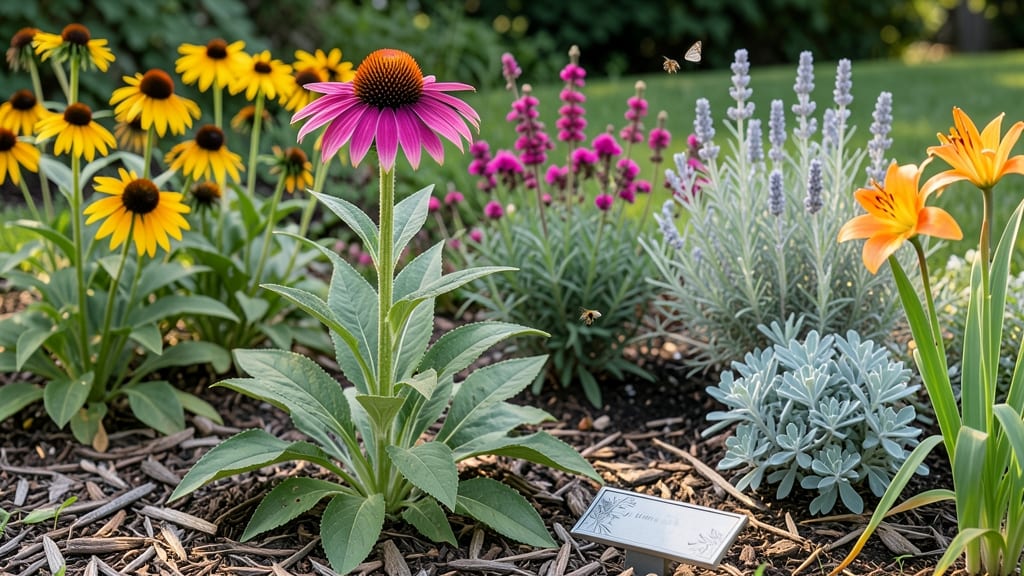
Zone 5 perennials thrive where others freeze—bold survivors that return year after year with minimal fuss. 🌿 I’ve tested these cold-hardy plants through three Zone 5 winters, and they’ve never let me down: peonies blooming in May, coneflowers lasting until frost, and lavender that smells like summer even in January.
The secret isn’t special soil or fancy fertilizers—it’s matching plants to your sunlight and soil. Most of these perennials tolerate average garden soil, but they do need good drainage (Zone 5 clay? No problem with raised beds or amended soil).
Once established, they’ll outlast annuals by years, saving you time and money. You’ll end up with a garden that looks lush in early spring and stays vibrant until snowfall. The best part? Less work after the first year—just deadhead spent blooms and mulch in fall.
These plants reward patience with longer blooms, stronger roots, and fewer pests than finicky annuals. Perfect for busy gardeners, first-timers, or anyone tired of replanting every spring. Here’s how to pick the right ones for your yard.
📚 In This Guide
- What you need
- Instructions
- Tips and common mistakes
- Wrapping up and next steps
What you need
- ● Perennial plants: Choose 3–5 hardy zone 5 varieties (e.g., coneflowers, black-eyed Susans, hostas, or daylilies). Buy 1–3 plants per variety (6–15 total) for balanced coverage.
- ● Well-draining soil: 2–3 cubic yards of compost or topsoil (mix 1 part compost to 2 parts native soil for optimal results).
- ● Garden tools: Trowel or hand shovel
- ● Garden fork (for amending soil)
- ● Pruners (sterilized)
- ● Measuring tape or ruler
- ● Mulch: 2–3 bags of organic mulch (e.g., shredded bark or straw) to retain moisture and insulate roots.
- ● Watering supplies: Garden hose with adjustable nozzle
- ○ Watering can (optional, for delicate seedlings)
- ● Plant supports: Stakes or cages for tall perennials (e.g., delphiniums or hollyhocks).
- ● Slow-release fertilizer: 5–10 lbs of balanced 10-10-10 or organic options like fish emulsion.
- ● Pest control: Neem oil or insecticidal soap (for aphids or slugs).
- ● Garden gloves & knee pads: For comfort during planting!
- ● Soil test kit: To check pH and nutrient levels (aim for 6.0–7.0 pH for most perennials).
How to select and plant Zone 5 perennials for year-after-year beauty
Here's my go-to approach for picking and planting cold-hardy perennials that thrive in Zone 5 winters.
🌱 Step 1: Choose the Right Perennials for Your Site
Start by matching plants to your specific conditions. Zone 5 perennials like coneflowers, black-eyed Susans, and Russian sage handle winters down to -20°F without fuss. Check your microclimates—sheltered spots can tolerate slightly tender plants, while exposed areas need the hardiest varieties.
I always research each plant's mature size and spread. A 4-foot-tall coneflower planted too close to a patio will shade it in summer, while a spreading sedum needs room to fill its space without crowding neighbors. Sketch your garden layout first—this prevents overplanting and makes maintenance easier later.
🌿 Step 2: Prepare the Planting Area
Test your soil's drainage—soggy roots kill perennials faster than cold does. Amend heavy clay with 2-3 inches of compost mixed into the top 12 inches of soil. For sandy soil, work in 1 inch of organic matter to improve moisture retention. I like to add a slow-release fertilizer (like 10-10-10) at planting time for a boost without risking overfeeding.
Dig holes twice as wide as the root ball but only as deep as the container's root level. Loosen the roots of container-grown plants before setting them in—this encourages them to spread quickly. The key is to plant at the same depth as they grew in containers; burying the crown too deep suffocates the plant.
☀️ Step 3: Plant at the Right Time and Depth
Fall planting (late August to October) gives roots time to establish before winter, while spring planting (April to May) lets them grow before summer heat arrives. I prefer fall—it reduces transplant shock and gives plants a head start. Water deeply right after planting to settle the soil and eliminate air pockets around roots.
Space perennials according to their mature size. A black-eyed Susan needs 18-24 inches between plants, while catmint can stretch 3 feet wide and needs 2-3 feet of space. Mulch with 2-3 inches of shredded bark after planting to protect roots from freeze-thaw cycles and retain moisture.
⏰ Step 4: Mulch and Winter-Protect
Apply 3-4 inches of mulch in late fall (after the ground freezes) to insulate roots. I use straw or shredded leaves because they break down slowly and won't smother plants. Avoid thick layers—too much mulch can suffocate roots and trap moisture, leading to rot.
For first-year plants or tender perennials, add a lightweight row cover or burlap wrap around the crown in extreme cold snaps. Remove it in early spring once temperatures rise above 32°F to prevent overheating. Watch for new growth in spring—it’s your signal that the plants survived winter.
🌱 Step 5: Maintain Through the First Growing Season
Water deeply once a week during the first growing season, aiming for 1 inch of water per week. Let the top 2 inches of soil dry between waterings to encourage deep root growth. Avoid overhead watering—it spreads disease and keeps foliage damp longer than necessary.
Deadhead spent blooms in early summer to encourage more flowers and prevent self-seeding where you don’t want it. Fertilize lightly in early spring with a balanced, slow-release fertilizer (like 10-10-10) if your soil is poor. Zone 5 perennials are tough, but a little extra care in their first year ensures they’ll come back stronger every season.
Tips & tricks for perfect Zone 5 perennial plantings
These practical insights will help you avoid common mistakes and maximize your perennials' cold-hardy potential.
Microclimate Mastery: I can't stress enough how important it is to observe your garden's microclimates before selecting plants. A south-facing wall creates a warm microclimate that can accommodate slightly tender perennials like Russian sage, while a north-facing area needs the hardiest varieties like coneflowers. Walk through your garden at different times of day—sun exposure changes dramatically. This simple observation can save you from winter losses.
The Soil Test Secret: Before amending your soil, test its drainage using the "percolation test." Dig a hole about 12 inches deep and fill it with water. If it drains completely within 4 hours, your soil has good drainage. If water remains after 6 hours, you've got poor drainage that needs immediate attention. For heavy clay soils, I've found mixing in 2-3 inches of compost into the top 12 inches creates a dramatic improvement in just one season.
Planting Depth Visual: When planting, use the root flare as your guide—the point where roots transition to the stem should sit just above soil level. I always make a small mark on the container with a pencil before planting to visualize this. Burying too deep suffocates the plant, while planting too shallow exposes roots to temperature swings. This simple visual cue prevents one of the most common planting mistakes.
Mulch Layering Technique: For that critical 3-4 inches of mulch in late fall, I recommend using a combination of straw and shredded leaves. Spread about 2 inches of straw first (it breaks down slowly), then top with 1-2 inches of shredded leaves. This layered approach provides insulation while allowing moisture to penetrate. Avoid piling mulch against plant stems—keep it 2-3 inches away to prevent rot. This method has helped my perennials survive winters down to -20°F without issues.
Pro Tips for Zone 5 Perennials
- These practical insights will help you avoid common mistakes and maximize your perennials' cold-hardy potential.
- Microclimate Mastery: I can't stress enough how important it is to observe your garden's microclimates before selecting plants.
- The Soil Test Secret: Before amending your soil, test its drainage using the "percolation test."
Frequently asked questions
Got questions about keeping your Zone 5 garden thriving year after year? Here are answers to the most common queries—so you can plant with confidence!
What are the hardiest perennials for Zone 5 winters?
Top picks include coneflowers (Echinacea), black-eyed Susans (Rudbeckia), Russian sage (Perovskia), daylilies (Hemerocallis), and sedum (Stonecrop). These toughies survive temps down to -20°F with minimal fuss. For extra protection, add a 2–3 inch layer of mulch after the ground freezes.
Do I need to cover perennials in Zone 5 during winter?
Most established perennials don’t need covering, but newly planted or tender varieties (like lavender or peonies) benefit from burlap, straw, or evergreen boughs. Avoid plastic—it traps moisture and causes rot. Focus on woody stems and evergreens (e.g., heuchera or hostas) for extra insulation.
When is the best time to plant perennials in Zone 5?
Early spring (March–April)
or early fall (September–October) are ideal. Spring planting lets roots establish before summer heat, while fall gives plants a head start before winter. Avoid planting in late summer—heat stress slows growth, making them vulnerable to cold.
Can I divide perennials in Zone 5? If so, when?
Yes! Divide spring-bloomers (like irises or daylilies) in early spring or fall. For summer-bloomers (e.g., black-eyed Susans), wait until late summer (August). Overcrowded plants thrive better when split every 3–5 years. Water deeply before and after dividing to reduce shock.
Why are my Zone 5 perennials dying back or not returning?
Common culprits: poor drainage (roots rot in soggy soil), overwatering (especially in winter), or pests (slugs, deer, or voles). Check for healthy crowns (the base where stems meet roots)—if mushy, it’s rot; if dry, it’s drought. Pro tip: If unsure, dig up a small section to inspect. Most perennials are tougher than they look!
Wrapping up and next steps
Choosing the right zone 5 perennials means embracing plants that thrive year after year with minimal fuss—and—bring beauty, texture, and life to your garden! From hardy coneflowers to resilient hostas, these cold-resistant picks reward patience with vibrant blooms and lush foliage.
Whether you're a seasoned gardener or just starting, every season is a chance to grow something amazing.
Ready to transform your outdoor space? Start small—pick 2-3 perennials to test this year, then expand your garden’s personality as you discover what flourishes best in your zone. Happy planting! 🌱✨