
Plants
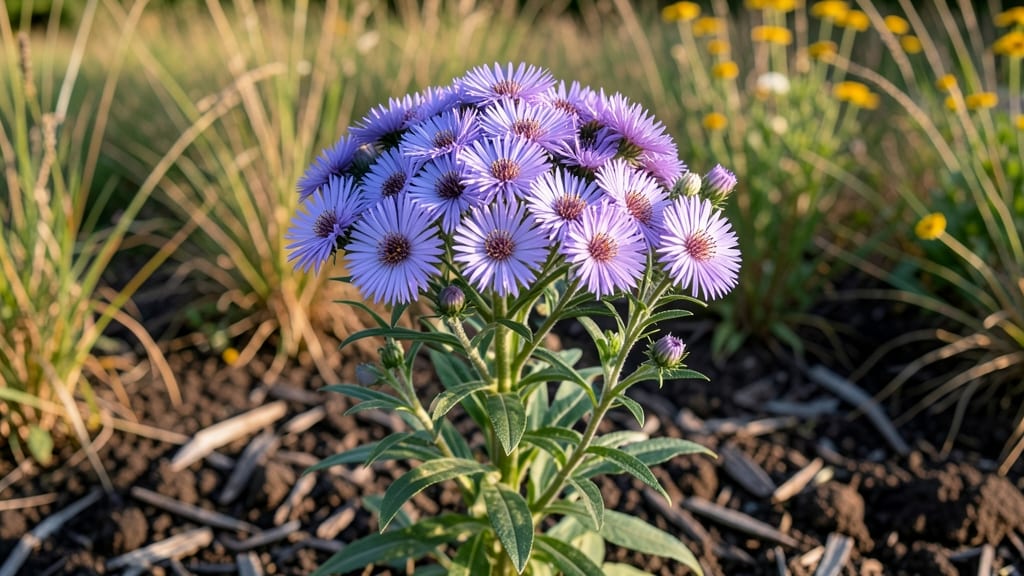
Asters are perennials in most climates, thriving year after year with proper care, though some varieties may behave as short-lived perennials or self-seed to renew themselves annually. Their ability to persist depends on hardiness zones, soil conditions, and winter protection.
Most asters establish deep root systems that store nutrients, helping them survive winter dormancy and regrow each spring. 🌱 The key to their perennial nature lies in their adaptability—whether you're in USDA zones 3-9, they'll return if given well-draining soil and protection from harsh winters.
Some varieties, like the popular 'New England Aster,' reliably bloom for decades, while others may self-seed to create new plants when conditions aren't ideal.
What truly sets asters apart is their growth habit: they often bloom in late summer or fall, filling gaps when other perennials have finished. This makes them excellent garden workhorses, but their longevity depends on proper pruning (cutting back in early spring) and avoiding overcrowding.
The right care transforms these plants from seasonal highlights into reliable garden staples.
💡 In This Article
- How Asters Survive as Perennials Across Different Climates
- Caring for Asters to Maximize Their Perennial Lifespan
How asters survive as perennials across different climates
Asters thrive as perennials thanks to their remarkable biological adaptations. Their deep, fibrous root systems—often extending 12-18 inches underground—store carbohydrates and nutrients during dormancy, fueling regrowth in spring.
This root structure also helps them access moisture in well-draining soil, a critical factor for winter survival in colder zones like USDA 3-5 where temperatures can drop below -30°F. 🌱
The secret lies in their dormancy cycle: asters enter a state of reduced metabolic activity when temperatures fall below 50°F, conserving energy until warmer conditions return.
In milder climates (zones 6-9), they may continue limited growth through winter, while in colder regions, their above-ground foliage dies back completely, leaving only the roots alive. This adaptability explains why asters flourish from Canada's maritime provinces to California's coastal regions.
What's fascinating is how their blooming time—typically late summer to fall—actually works in their favor. By flowering after most garden perennials have finished, asters avoid competing for pollinators and resources.
Their composite flower heads (each containing hundreds of tiny florets) also store energy reserves that help sustain the plant through winter. This biological timing makes them more resilient than spring-blooming perennials.
However, not all asters behave identically. Some varieties, like 'Alpine Aster', have shorter lifespans (3-5 years) due to their shallow root systems, while others like 'Symphyotrichum novae-angliae' (New England Aster) can live 10+ years with proper care.
The key difference? Root depth and cold hardiness—deeper roots mean better winter survival and longer perennial status.
Another critical factor is their ability to handle partial shade in hot climates, which reduces water stress. In zones 7-9, asters often benefit from afternoon shade to prevent wilting, while in colder zones, they thrive in full sun.
This flexibility in light requirements further explains their widespread perennial success across diverse climates.
Consider this: In USDA zone 4, where winters are harsh, asters may need 4-6 inches of mulch to protect their roots, while in zone 8, they might only need minimal winter protection.
The plant's ability to adjust its growth patterns based on temperature cues is what makes it a true perennial powerhouse in most gardens.