
Flowers
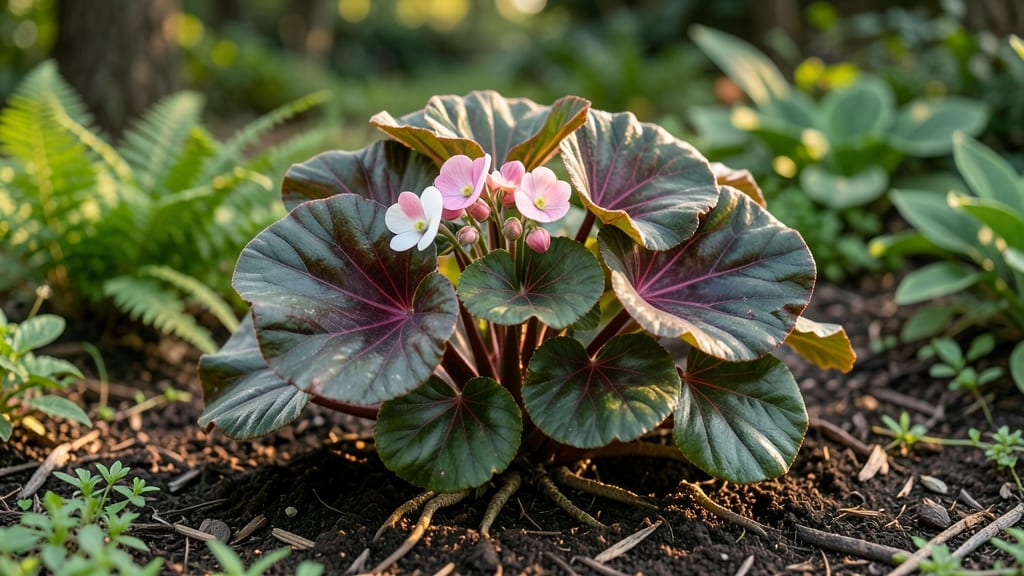
Begonias aren't true perennial flowers in most climates—they act like tender perennials, losing their foliage in winter but regrowing from underground tubers or roots when spring arrives. Their longevity depends on winter care and your local climate zone.
Begonias confuse many gardeners because they seem to "die" each winter, only to bounce back with vibrant blooms. 🌱 Unlike hardy perennials that survive freezing temperatures, begonias are tropical plants that retreat underground when temperatures drop below 40°F.
This dormancy period is their survival strategy—think of it as nature's way of hitting pause until conditions improve. In warmer climates (USDA zones 8+), some varieties can overwinter outdoors with proper mulching, but most gardeners in colder regions need to dig up and store tubers to protect them from frost.
What sets begonias apart is their ability to regenerate from these tubers—often looking brand new each spring. The key to extending their lifespan lies in how you handle this winter dormancy.
With the right care, you can enjoy the same plants for years, making them more like long-lived annuals than true perennials. This cycle explains why they're often called "tender perennials"—they return year after year when given the right conditions.
💡 In This Article
- Why Begonias Die Back in Winter: The Science Behind Their Lifespan
- How to Overwinter Begonias for Repeated Blooms
Why begonias die back in winter: the science behind their lifespan
Begonias undergo winter dormancy because they're tropical plants with a critical temperature threshold of around 40°F. When exposed to frost or prolonged cold, their above-ground foliage freezes and turns black—a process called cold-induced necrosis.
Unlike hardy perennials that store energy in woody stems, begonias rely on specialized underground structures: tubers or fibrous roots that contain stored starches and nutrients. These structures shrink during dormancy, conserving energy until warm temperatures trigger regrowth. 🌱
The key difference between begonias and true perennials lies in their cellular hardiness. Hardy perennials produce antifreeze proteins that protect cell membranes at -20°F or lower, while begonias lack these adaptations. Their cells rupture at just 32°F, which is why even light frosts can be fatal.
In USDA zones 8 and above, some varieties like Begonia grandis can survive mild winters with 8-12 inches of mulch, but most gardeners in colder climates must intervene to protect their plants.
This dormancy strategy is actually an evolutionary adaptation from begonias' native tropical habitats. In the wild, they experience dry seasons where above-ground growth would be unsustainable. By retreating underground, they avoid water loss and conserve energy—a survival tactic that makes them behave like perennials even though they're not biologically hardy.
The trade-off is that without human intervention, they'd only survive one growing season in most temperate climates. 💫
What makes begonias unique is their regeneration capacity. Even after complete dieback, their tubers can remain viable for years if stored properly. For example, tuberous begonias can produce new shoots from just 1/4-inch thick tuber slices, while fibrous-rooted types regrow from their crowns.
This ability to regenerate from small fragments explains why gardeners can propagate begonias indefinitely with proper overwintering techniques.
Climate plays a crucial role in determining how begonias behave. In zone 9, they might survive winters outdoors with minimal protection, while in zone 5, they require indoor storage at 50-60°F with 50% humidity to prevent tuber desiccation.
The transition between dormancy and regrowth is triggered by a combination of temperature rise above 60°F and increased daylight—typically in late spring—when the plant's hormonal balance shifts from dormancy to growth. 🌿
Understanding this cycle helps explain why begonias often appear to "die" each winter. Their true lifespan isn't measured in years of above-ground growth, but in the number of times their underground storage organs can successfully regenerate.
With proper care, a single tuber can produce blooms for 5-10 years, making them more like long-lived annuals than true perennials. This biological reality is why they're classified as tender perennials—they return when conditions are favorable, but only with human assistance in colder climates.