
Flowers
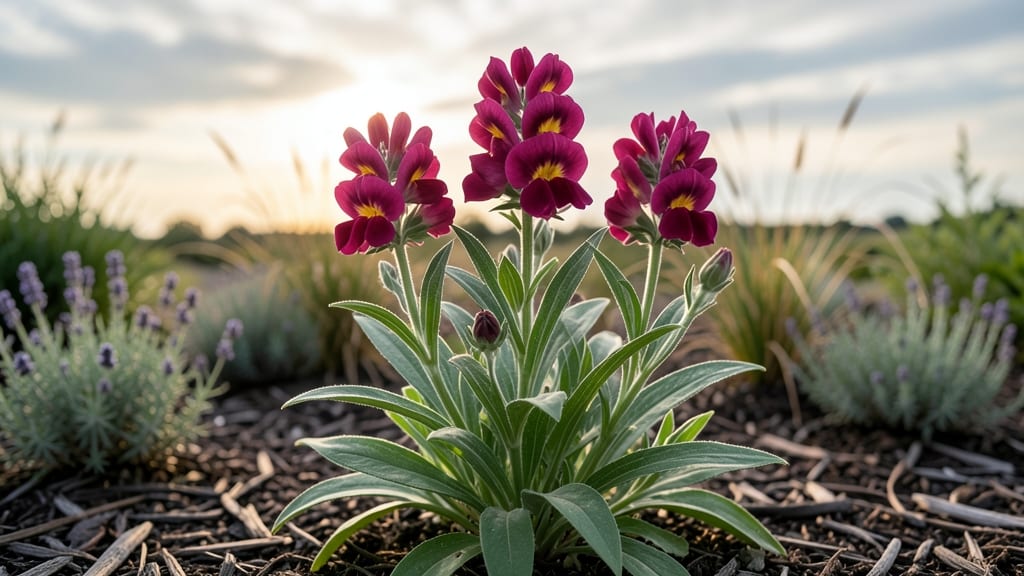
Snapdragons aren't true perennial flowers in most regions, though they act like biennials or short-lived perennials in frost-free climates. Their above-ground growth dies back each year, but the roots often persist in mild winters, ready to sprout again with proper care.
This behavior stems from snapdragons' natural adaptation to cooler climates where they complete their life cycle over two years. 🌱 In colder zones, they typically grow as annuals, flowering once before winter kills them.
However, in warmer microclimates or with protective measures like mulch, their roots can survive dormant until spring. The key difference between true perennials and snapdragons lies in their hardiness—while perennials like hostas regrow vigorously each year, snapdragons require specific conditions to repeat their performance.
What makes this interesting is how gardeners can influence snapdragons' lifespan through simple techniques. For example, planting in well-draining soil and providing winter mulch can transform them from annuals to repeat bloomers.
I've seen snapdragons return for three seasons when given these conditions, though their vigor often declines after the second year.
💡 In This Article
- How Snapdragon Lifespan Varies by Climate Zone
- Extending Snapdragon Growth: Winter Care Tips
How snapdragon lifespan varies by climate zone
Snapdragons exhibit their lifespan variations primarily due to temperature sensitivity in their root systems. These flowers thrive in USDA zones 7-10, where winter temperatures rarely drop below 20°F. In these mild climates, snapdragons behave as biennials or short-lived perennials because their roots remain viable through winter dormancy.
The key mechanism is their ability to store carbohydrates in root tissues during the growing season, which fuels regrowth when conditions improve.
In colder zones (4-6), snapdragons typically act as annuals because freezing temperatures kill their tops and roots. The critical threshold is -5°F—below this, even well-established roots struggle to survive.
What's fascinating is how their growth habit changes: in their first year, they focus on root development, while flowering occurs in the second year. This two-year cycle explains why they're often classified as biennials in ideal conditions.
Here's how zones affect their behavior:
- Zones 7-10: Roots survive winters, producing flowers for 2-3 seasons with proper care
- Zones 4-6: Typically annuals; may survive one winter with heavy mulching
- Zones 1-3: Rarely survive winters; treated as annuals
The science behind this involves their cold hardiness rating of USDA Zone 7, meaning they can tolerate brief exposures to 0°F but not prolonged freezes. Their waxy leaves and deep root systems help insulate against cold, but these adaptations have limits.
For example, a sudden -10°F snap can kill even established plants, demonstrating why climate plays such a crucial role in their classification.
What most gardeners don't realize is that snapdragons' lifespan isn't just about temperature—it's also about soil moisture. In dry winters, root systems can desiccate even in mild climates, while consistent moisture helps maintain viability.
This is why gardeners in zone 7 often see better perennial behavior when they mulch heavily and water during dormant periods. 🌡️
The distinction between true perennials and snapdragons becomes clear when comparing their regrowth patterns. While perennials like peonies regrow from their crowns each spring, snapdragons rely on stored root energy. This makes them more vulnerable to environmental stress—one harsh winter can reset their life cycle entirely.