
Flowers
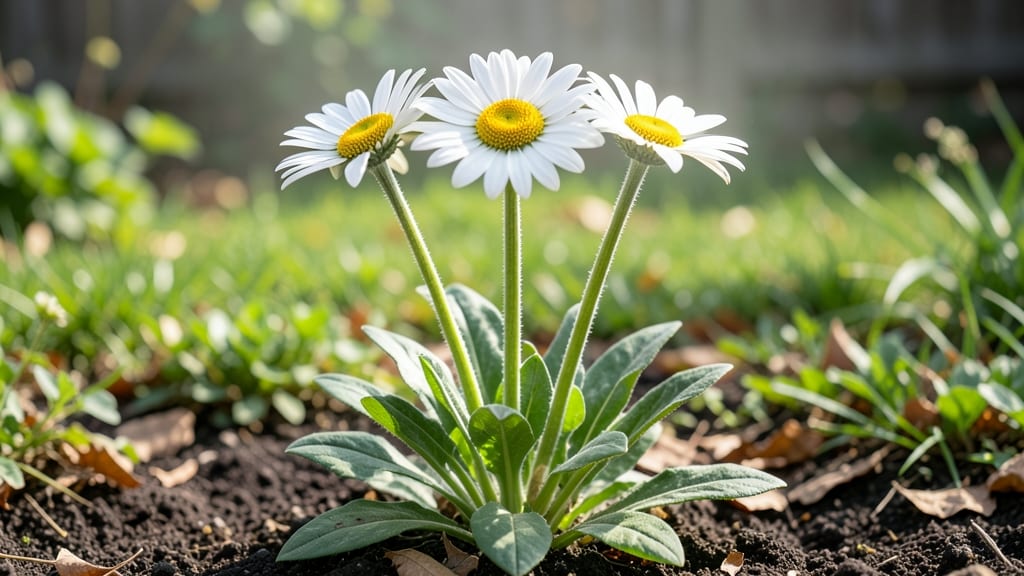
Daisies are perennials in most temperate climates, returning each year with new blooms from the same root system, though some varieties behave as annuals in colder regions or with improper care. Their hardiness and self-seeding habits depend on species and growing conditions.
Most garden daisies—like the classic Shasta daisy—rely on their deep root systems to survive winter and regrow each spring. 🌱 The key difference between perennial and annual daisies lies in their cold tolerance: varieties like the oxeye daisy thrive in zones 3-9, while others may die back in harsh winters only to resprout from seed the next season.
This self-seeding trait is why some "annual" daisies keep appearing in your garden year after year without replanting.
What sets true perennials apart is their ability to store energy underground during dormancy, which means less work for gardeners. For example, German chamomile daisies often behave as perennials in mild climates but may act like annuals in freezing zones.
The trick is choosing species matched to your hardiness zone and providing winter mulch to protect their roots.
Even perennial daisies need occasional maintenance to keep blooming reliably. Deadheading spent flowers encourages more blooms, while dividing mature clumps every few years prevents overcrowding. This simple care routine turns daisies from seasonal splashes of color into long-term garden staples.
💡 In This Article
- How Daisy Lifespan Varies by Species and Climate
- Tips for Encouraging Perennial Daisy Growth in Gardens
How daisy lifespan varies by species and climate
The lifespan of daisies as perennials hinges on their species and hardiness zone compatibility. Shasta daisies, for instance, thrive as hardy perennials in USDA zones 5-9, thanks to their deep taproots that store nutrients and moisture.
These roots can extend 2-3 feet underground, allowing the plant to survive winter dormancy with minimal above-ground growth. In contrast, oxeye daisies (Leucanthemum vulgare) are more adaptable, flourishing in zones 3-9, which makes them appear perennial even in colder climates where Shastas might struggle.
Temperature extremes trigger the key difference between perennial and annual behavior. For example, Gerbera daisies—often sold as annuals—actually behave as perennials in zones 10-11 but die back in frost. Their 5-10°F cold tolerance threshold means they won't survive most temperate winters.
The science lies in their root systems: perennials like Shastas develop fibrous crowns that regenerate after frost, while annuals like Gerberas lack this resilience. 🌡️ This is why some gardeners in colder zones grow daisies as annuals—they replant seeds each spring instead of waiting for roots to regrow.
Dormancy cycles further explain why daisies persist. True perennials enter a state of reduced metabolic activity during winter, conserving energy in their roots. Shasta daisies, for example, may lose all foliage but retain their crowns, ready to sprout new leaves when soil temperatures reach 50°F.
In contrast, self-seeding annuals like the common "daisy" (Bellis perennis) complete their entire life cycle in one season, dropping seeds that germinate the following spring—creating the illusion of perennial behavior without true root survival.
Climate also affects daisy longevity through water availability. Perennial varieties like the Nippy Daisy (Bellis perennis) thrive in moist, well-drained soils but struggle in drought-prone areas where their roots can't access sufficient moisture.
This is why gardeners in arid regions often treat them as annuals—they require consistent watering to maintain their perennial growth habit. The right soil moisture balance keeps their root systems active year-round, ensuring they return each spring.
Consider the German Chamomile Daisy (Matricaria chamomilla) as another example. While it behaves as a perennial in mild coastal climates (zone 5), it often acts as an annual in inland areas with harsher winters.
The difference comes down to 30-45 days of frost-free growing season: perennials need this window to establish strong roots before winter sets in. In colder regions, gardeners must either protect plants with mulch or treat them as annuals for reliable blooms.
What most gardeners don't realize is how microclimates within a yard can create perennial behavior where it wouldn't normally occur. A south-facing wall or raised bed might provide enough warmth to extend a daisy's growing season by 2-4 weeks, turning an annual variety into a semi-perennial.
This is why some gardeners in zone 6 successfully grow Shasta daisies as perennials near heat-retaining structures, while identical plants in open ground fail to return each year.