
Watering
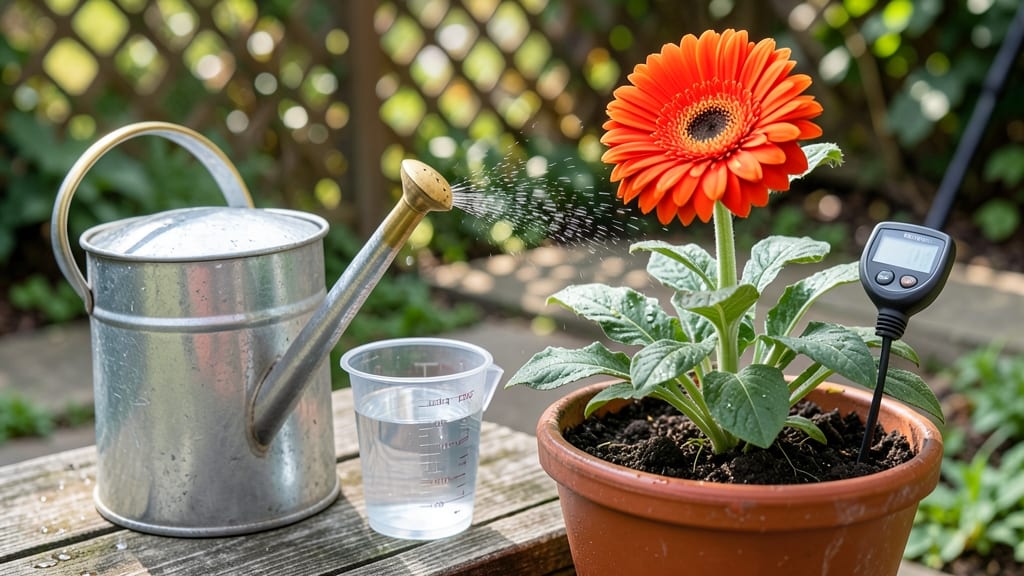
Gerbera daisies need about 1 cup of water every 3-5 days to keep their roots happy and blooms vibrant—but too much or too little can turn your garden into a sad, droopy mess.
Picture this: you’ve spent weeks waiting for those bright 🌼 blooms to pop, only to watch them wilt faster than a forgotten ice cube on the porch. The secret? Watering isn’t just about frequency—it’s about timing, soil, and knowing when to back off.
In Zone 6a, summer heat cranks up the thirst, while winter slows things down. Overhead watering can drown roots, and skipping a week in dry spells sends them into shock. I’ll break down the exact schedule—plus how to spot the signs before it’s too late.
By the end, you’ll water like a pro: no more guesswork, just perfectly hydrated daisies that reward you with color all season long.
Gerbera daisy watering schedule by season: weekly guide to prevent root rot
Gerbera daisies thrive on consistent moisture but despise soggy roots—balancing these needs is key to their vibrant blooms. Unlike drought-tolerant succulents, these beauties signal distress quickly through drooping petals or mushy stems.
The secret lies in reading your climate and soil type while adjusting watering like a pro gardener. Let’s break down the weekly schedule by season, so you never guess again.
Your gerbera daisies’ water needs shift dramatically with temperature and humidity. In summer’s heat, they may need daily watering, while winter dormancy reduces their thirst to every two weeks.
Potted plants dry out faster than in-ground varieties, so container growers must monitor soil moisture daily. Always water at the base (not overhead) to prevent fungal diseases like powdery mildew.
🌼 Pro Tip: Stick your finger 1 inch into the soil—if it’s dry, water; if damp, wait. This soil check beats relying on a rigid schedule, especially in humid climates where roots suffocate faster.
| Season | Frequency | Soil Moisture Goal | Environmental Notes |
|---|---|---|---|
| Spring | Every 3–4 days | Top 1–2 inches moist | Increase if temps >75°F |
| Summer | Daily or every 2 days | Deeply moist (3–4 inches) | Mulch to retain moisture; avoid evening watering |
| Fall | Every 5–7 days | Top 1 inch moist | Reduce as temps drop below 60°F |
| Winter | Bi-weekly | Lightly moist (0.5 inch) | Dormant; water only if soil is bone-dry |
| Containers | Every 2–3 days (year-round) | Top 1 inch moist | Use pots with drainage holes; water in morning |
In spring, your gerbera daisies are waking from dormancy and need gentle encouragement. Water every 3–4 days, focusing on deep soaking to encourage root growth. If your region experiences unseasonal heat waves (like a 75°F+ spike), increase frequency to every 2 days.
Always pair watering with a light mulch layer (1–2 inches of straw) to lock in moisture.
Summer is the most critical season—gerbera daisies thirst heavily but hate wet foliage. Water deeply every 1–2 days, aiming for 3–4 inches of moisture per session. Use a soaker hose or drip irrigation to deliver water at the soil level, avoiding leaf splash.
If your area has high humidity, reduce watering slightly to prevent root rot.
As fall temperatures drop, your gerbera daisies signal their need for less water by slowing growth. Cut back to weekly watering, checking soil moisture before each session.
In USDA Zone 6a, this typically means every 5–7 days once temps fall below 60°F. Stop fertilizing by late September to prepare plants for winter dormancy.
Winter care is minimal but vital. Gerbera daisies enter dormancy, and overwatering kills them faster than neglect. Water bi-weekly only if the top 0.5 inch of soil feels dry.
If you’re in a mild-winter zone (like Zone 8+), reduce to monthly checks. Always water in the morning to allow excess moisture to evaporate before nightfall.
Container gerbera daisies have unique needs—their small root systems dry out 3x faster than in-ground plants. Water every 2–3 days, regardless of season, and
Signs of overwatering vs. underwatering in gerbera daisies: what to watch for
Gerbera daisies thrive on balance—too much or too little water sends them into distress. Yellowing leaves and mushy stems scream overwatering, while crispy edges and wilting signal dehydration. The key is observing your plant's soil moisture and leaf texture before symptoms appear.
I've seen beginners drown their gerberas by watering at nighttime or ignoring soggy soil. Even well-draining pots can trap moisture if you're not careful. Let's break down the critical differences so you can rescue your blooms before they fade.
💧 How Much Water Do Gerbera Daisies Need?
- Water morning only (before 10 AM)
- Check top 1-2" of soil (should be dry)
- Use well-draining soil mix
- Water deeply at roots (not leaves)
- Water at night (promotes fungus)
- Let soil stay waterlogged for days
- Use heavy clay without amendments
- Ignore yellow leaves or mold
When your gerbera's leaves turn yellow with green veins, that's classic overwatering causing root rot. The plant can't absorb nutrients, so the older leaves suffer first. Check for mushy stems or white mold on soil—these are red flags for soggy roots.
Underwatered gerberas show crispy brown edges on leaves and drooping stems that don't bounce back when pressed. The soil pulls away from pot edges, and flowers wilt by midday. Stick your finger in—if it's bone-dry below 1 inch, it's time to water.
Fix overwatering by repotting in fresh, sandy soil and letting the top 2 inches dry between waterings. For underwatering, give a deep soak until water runs out the drainage holes, then reduce future frequency. Morning watering prevents evening evaporation that leaves roots thirsty.
Remember: Gerberas hate wet feet but also dry spells. Aim for consistently moist (not soggy) soil by adjusting your schedule with the seasons. In summer, you might water daily—in winter, every 10 days. Watch your plants, and they'll tell you exactly what they need.