
Plants
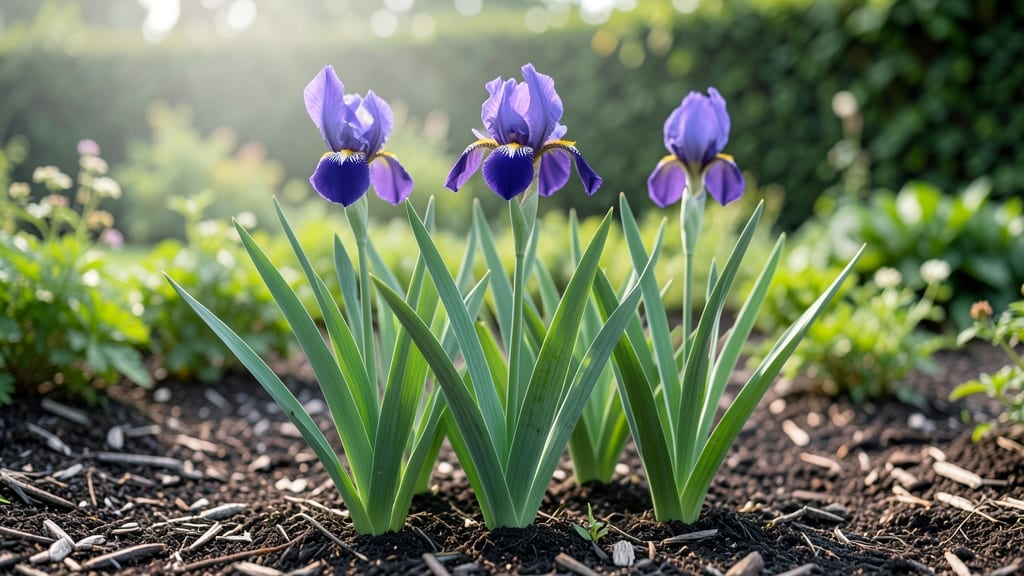
Yes, Dutch irises are perennials that regrow annually from rhizomes, even though their foliage dies back each winter. Their hardy underground stems ensure they return stronger each spring with proper care and well-drained soil.
Dutch irises earn their perennial reputation thanks to their specialized underground storage system called rhizomes.
These thick, horizontal stems act like nature's energy banks, storing nutrients and moisture during winter dormancy. 🌱 Unlike annuals that complete their life cycle in one season, Dutch irises simply "sleep" underground until spring, when they tap into these reserves to produce fresh foliage and blooms.
What's fascinating is how they adapt to different climates—some varieties even thrive in USDA zones 3-9 with minimal winter protection, though their blooming intensity varies based on sunlight exposure.
This survival strategy explains why many gardeners fall in love with Dutch irises—they're low-maintenance yet dramatic. The key to their annual return lies in maintaining healthy rhizomes through proper soil drainage and avoiding overwatering during dormancy.
I've seen firsthand how even neglected patches can rebound spectacularly when given just the right conditions in early spring.
💡 In This Article
- How Dutch Iris Rhizomes Survive Winter Dieback
- Caring for Dutch Irises to Ensure Annual Blooms
How Dutch iris rhizomes survive winter dieback
The secret to Dutch irises' perennial nature lies in their specialized rhizomes—thick, fleshy underground stems that function like biological batteries. These rhizomes store carbohydrates (up to 30% of their dry weight) produced during photosynthesis, which fuel regrowth when temperatures rise.
Unlike bulbs (like tulips) that rely on a single growing point, iris rhizomes have multiple buds along their length, allowing them to regenerate even if parts are damaged. 🌱 This makes them more resilient than many other perennials that depend on single-point growth systems.
During winter dormancy, these rhizomes enter a state called endodormancy, where metabolic processes slow dramatically to conserve energy. Studies show that iris rhizomes can maintain viability at temperatures as low as -20°F (-29°C) when properly hardened off, though prolonged exposure to freezing soil moisture can cause rot.
The key difference from other perennials is their ability to remain dormant yet maintain active root systems—some roots continue absorbing moisture even in cold soil, preventing complete desiccation.
What's particularly fascinating is how Dutch irises time their regrowth. The rhizomes begin producing new shoots when soil temperatures reach 50-55°F (10-13°C), typically 2-4 weeks before air temperatures warm consistently. This early timing gives them a head start on spring growth.
Unlike bulbs that must wait for above-ground conditions, iris rhizomes respond primarily to soil temperature cues—a survival adaptation that explains why they often bloom earlier than many other perennials in the garden.
Their climate adaptability comes from this dual system: hardy rhizomes for cold survival combined with flexible regrowth triggers.
In my experience, established clumps in USDA Zone 5 gardens can survive winters with just a 3-inch (7.5 cm) mulch layer, while tropical varieties in Zone 10 may need shade during summer dormancy to prevent overheating.
This adaptability is why Dutch irises thrive in containers too—their rhizomes can be buried just 1-2 inches (2.5-5 cm) deep while still accessing enough nutrients.
One common misconception is that all perennials follow the same winter strategy. Unlike peonies (which have true dormant buds) or daylilies (with underground tubers), Dutch irises combine rhizome storage with continuous root activity.
This hybrid approach explains why they often outperform other perennials in poor soils—even when foliage dies back completely, the rhizomes maintain their nutrient reserves until conditions improve. 💫
The science behind this involves a hormone called abscisic acid, which increases in iris rhizomes during dormancy, helping them resist freezing. When spring arrives, this hormone decreases while gibberellins (growth hormones) surge, triggering shoot emergence.
This hormonal dance is what gives Dutch irises their predictable annual return—something that even experienced gardeners find remarkable after their first winter with these plants.