
Plants
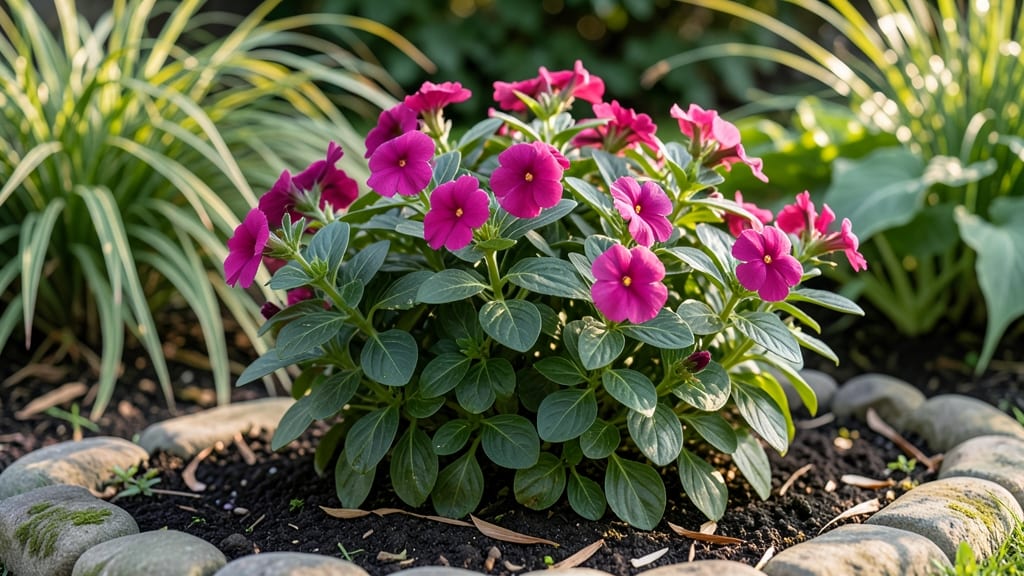
Impatiens aren't true perennials—they die back completely in frost but can regrow from roots if you protect them or replant tubers annually in colder regions. Their survival depends on winter temperatures and how well you manage dormancy.
Botanically, impatiens are classified as tender perennials, meaning they avoid freezing by shutting down growth when temperatures drop. 🌱 The key difference from hardy perennials is their inability to withstand prolonged cold—their foliage blackens at 32°F or below, but the root system often survives if protected.
Many gardeners treat them as annuals because replanting each spring is easier than overwintering, though dedicated growers can coax regrowth with proper care.
What makes this tricky is how impatiens behave in USDA Zones 8-10—they may persist year-round with minimal intervention, while colder climates require active protection. The root crowns contain stored energy that can sprout when conditions warm, but this depends on consistent moisture and shelter from freezing soil.
I’ve seen impatiens bounce back spectacularly after winter if you mulch heavily or move potted plants to a garage during frost.
💡 In This Article
- Why Impatiens Act Like Perennials in Some Climates
- How to Overwinter Impatiens for Repeat Blooms
Why impatiens act like perennials in some climates
Impatiens belong to the tender perennial category, meaning they avoid freezing by entering dormancy when temperatures drop. Unlike hardy perennials (like hostas or daylilies), impatiens lack the biological mechanisms to survive prolonged freezing.
Their foliage blackens and dies at 32°F or below, but the root system often remains viable if protected. This is why they can regrow in milder climates—specifically USDA Zones 8-10—where winter temperatures rarely drop below 20°F for extended periods.
The root crowns of impatiens store energy in the form of starches, which can fuel new growth when conditions warm. This process relies on consistent soil moisture and protection from freezing. In colder zones, gardeners often treat impatiens as annuals because the energy reserves deplete over time without active protection.
For example, a well-mulched patch in Zone 9 might regrow naturally, while the same plant in Zone 5 would require digging and overwintering indoors.
What most people don’t realize is that impatiens’ regrowth behavior depends on the type. Impatiens walleriana (the common garden impatiens) is the most widely grown and typically dies back completely in frost, while Impatiens balsamina (garden balsam) may persist in warmer regions.
The key factor is the root system’s ability to avoid freezing—when soil temperatures stay above 25°F, roots can remain active enough to regenerate foliage in spring.
Here’s how the regrowth process works: When temperatures rise in early spring, the root crowns detect warmth and begin producing new shoots. This happens because the plant’s meristematic cells (growth centers) remain dormant but viable.
In ideal conditions, you might see new growth within 2-3 weeks of consistent warmth and moisture. However, if the roots freeze solid, the plant will not regrow—this is why overwintering techniques matter in colder climates.
Consider this comparison: In Zone 10, impatiens might regrow naturally with just a thick layer of mulch (like 4-6 inches of shredded bark), while in Zone 7, you’d need to dig up the roots and store them in a cool, dark place until spring.
The difference comes down to how long the soil stays above freezing—even a brief freeze can kill unprotected roots.
One fascinating detail is how impatiens prioritize energy storage. During their growing season, they allocate up to 30% of their photosynthetic energy to root development, creating a reserve that can sustain regrowth.
This is why well-fed plants in rich soil are more likely to bounce back after winter. In contrast, nutrient-poor soil or drought stress can weaken the roots, reducing their chances of survival.
If you’re growing impatiens in a borderline climate (like Zone 7b), the best approach is to experiment with protection methods. Start with heavy mulching, then monitor the plants through winter.
If they survive, you’ve found a way to treat them as perennials—if not, replanting annually is the safer bet. 🌱