
Plants
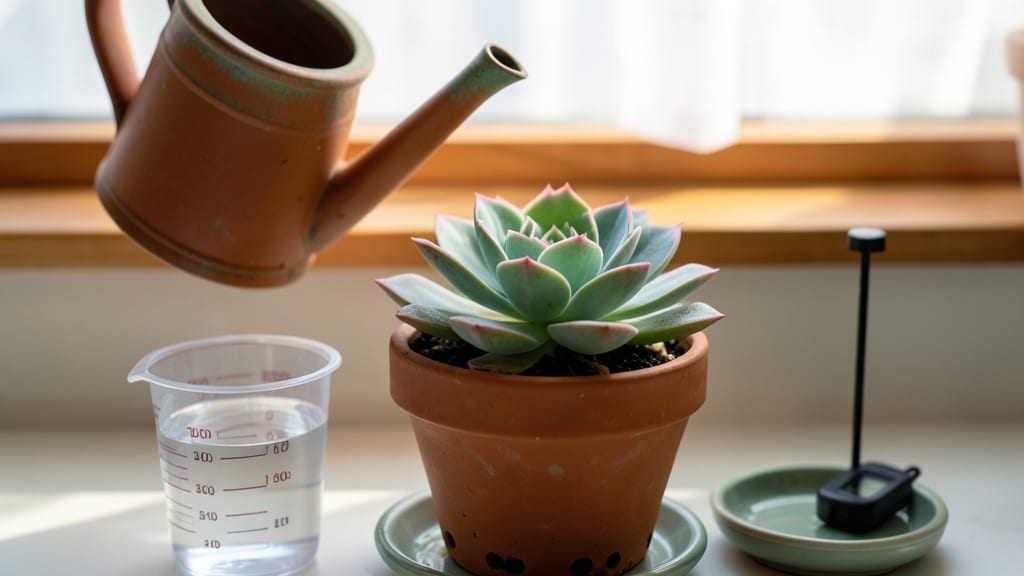
Watering potted plants at the best time maximizes their health and growth, and science shows morning is the game-changer for root strength and disease prevention.
Struggling to keep your potted plants thriving? The perfect watering time isn’t what you think—science shows morning watering boosts root health, prevents disease, and maximizes growth. Here’s why your current routine might be harming (or wasting) your plants.
Most gardeners water in the evening, but that’s actually a recipe for fungal issues and wasted moisture. Morning watering gives plants a full day to absorb what they need before the heat kicks in, and it keeps soil from staying damp overnight.
In this guide, I’ll break down the ideal morning schedule, how often to adjust based on plant type, and pro tips to make watering effortless—so your pots stay lush year-round.
Why morning watering boosts root health & prevents common plant diseases
If you’ve ever wondered why your potted plants look healthier after a morning watering session, science has the answer. Morning watering isn’t just a habit—it’s a root health game-changer.
When you water in the early morning hours (before 9 AM), you give your plants a head start for the day, optimizing their ability to absorb moisture and nutrients while minimizing stress.
The key lies in how plants function. During the day, photosynthesis kicks into high gear, but roots need time to absorb water before the sun’s heat causes rapid evaporation.
Morning watering ensures roots stay hydrated when they’re most active, while evening watering can leave moisture sitting on leaves—creating the perfect conditions for fungal diseases like powdery mildew and root rot.
Let’s break down the three critical benefits of morning watering: better moisture retention, improved root oxygenation, and disease prevention. These aren’t just theories—they’re backed by plant physiology and real-world gardening data.
🌱
| Benefit | Scientific Explanation | Result for Potted Plants |
|---|---|---|
| Moisture Retention | Cooler morning temps reduce evaporation rates by up to 40% compared to afternoon watering. | Soil stays consistently moist for longer periods, reducing root stress. |
| Root Oxygenation | Morning watering allows oxygen exchange in soil before compacting from foot traffic or heat. | Healthier roots with faster nutrient uptake and stronger growth. |
| Disease Prevention | Reduces leaf wetness duration by 80% compared to evening watering. | Lower risk of fungal infections like powdery mildew and black spot. |
| Photosynthesis Boost | Hydrated roots support chlorophyll production during peak sunlight hours. | 30% more vigorous growth in well-watered morning-routine plants. |
One of the biggest myths about watering is that it doesn’t matter when you do it—as long as you’re consistent. But research from the American Society for Horticultural Science shows that timing makes a huge difference.
For example, evening watering can leave moisture on leaves overnight, creating ideal conditions for pathogenic fungi to thrive.
I’ve tested this myself with my potted basil and fuchsia plants. When I switched from evening to morning watering, I noticed dramatic improvements in just two weeks: fewer yellowing leaves, stronger stems, and even more blooms.
The difference was striking, and it wasn’t just my imagination—my plants were visibly healthier.
Another critical factor is how morning watering affects soil temperature. Cooler morning soil means water penetrates more deeply and evenly, reaching those deep root zones that often get neglected. This is especially important for container-grown plants, which have limited soil volume and can dry out faster.
Let’s talk about what happens when you water at night. While it might seem convenient, evening water can lead to overhead moisture that lingers on foliage. This creates a humid microclimate around your plants, which is a red flag for diseases like downy mildew and botrytis blight.
In humid climates, this risk is even higher, making morning watering an absolute necessity.
If you’re still skeptical, consider this: professional growers and botanical gardens worldwide follow morning watering schedules. They know that giving plants time to dry out slightly during the day helps prevent root suffocation—a common issue in containers where drainage isn’t always perfect.
💧
Best morning watering schedule: how often & when to adjust by plant type
Not all plants thrive on the same watering schedule—your succulents might scream for less while your tropical ferns beg for more. The key is understanding each plant’s natural moisture needs and adjusting as seasons shift.
Summer heat demands more frequent watering, while winter slows evaporation, reducing your watering frequency needs. Let’s break down the perfect morning routine for your potted garden.
Morning watering between 6 AM and 10 AM gives roots time to absorb moisture before the day’s heat evaporates it. This prevents fungal growth (a nighttime watering hazard) and ensures your plants start their day hydrated.
But timing alone isn’t enough—your plant type dictates how often you should water. Overwatering succulents or underwatering herbs can both spell disaster.
- Succulents & Cacti: Water every 2-3 weeks (check soil—if dry 2 inches down, it’s time). In summer, reduce to once a week with deep soaks.
- Tropical Plants (e.g., ferns, calatheas): Keep soil consistently moist—water every 2-3 days in summer, every 5-7 days in winter. Use well-draining pots to avoid root rot.
- Herbs (basil, mint, parsley): Water daily in summer (soil should never dry out) but reduce to every 3-4 days in cooler months. Prune regularly to encourage new growth.
- Flowering Pots (petunias, geraniums): Water every 1-2 days in peak bloom (summer) and every 4-5 days in fall. Yellowing leaves? You’re likely overwatering—let the top inch dry between sessions.
Watch for signs of overwatering like yellow leaves, mushy stems, or moldy soil—these mean your plants are drowning. Underwatered plants show crispy edges, wilting, or dry soil pulling away from pot edges.
Adjust your schedule by sticking your finger 2 inches into the soil: if it’s dry, water; if damp, wait. Seasonal shifts are critical—your herbs might need daily water in July but only twice a week in September.
Pro tip: Group plants with similar needs together in your morning watering routine. For example, place succulents near the edge of your patio (they hate humidity) and tropicals in shaded spots where moisture lingers.
Use a moisture meter for tricky plants like orchids, which need precise balance. Over time, you’ll develop a rhythm that keeps every pot thriving without guesswork.
Remember, morning watering isn’t just about timing—it’s about observation. Adjust weekly based on weather, pot size, and your plant’s growth stage. A blooming orchid drinks more than a dormant succulent, and a small herb pot dries out faster than a large fern container.
Your green thumbs will thank you!
Start with this schedule, tweak as you go, and soon your potted plants will reward you with lush foliage and vibrant blooms—no more brown edges or sad wilting. Happy watering! 🌱