
Orchid Care
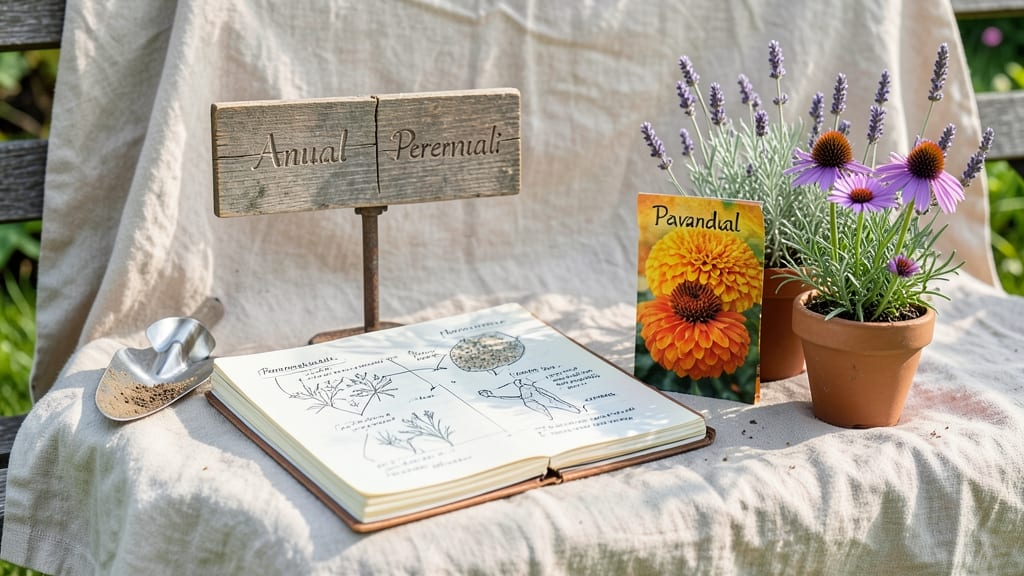
Whether marigolds are annuals or perennials depends entirely on your climate—cold regions force them to die back yearly, while warm zones like USDA Hardiness Zones 10-11 let them thrive as perennials, self-seeding and returning each season.
Marigolds adapt their growth cycle based on temperature, making them a fascinating study in plant resilience. 🌱 In colder regions, frost kills the foliage and roots, forcing them to regrow from seed each spring. But in frost-free zones, their roots survive winter, allowing them to regrow and even self-sow prolifically.
This means gardeners in warm climates can enjoy marigolds year after year with minimal effort, while those in cooler areas must replant annually. The key difference lies in how cold temperatures trigger dormancy or death in these tropical natives.
For gardeners in transitional climates, strategic mulching or overwintering techniques can sometimes coax marigolds to behave more like perennials. 💫 Cold-hardy varieties like French marigolds (Tagetes patula) may survive mild winters better than their delicate African marigold cousins, but even these often need protection.
Understanding your specific microclimate helps determine whether you'll be replanting seeds or watching familiar blooms return each spring.
💡 In This Article
- How Climate Affects Marigold Lifespan
- Gardening Tips for Extending Marigold Growth
How climate affects marigold lifespan
Marigolds originated in tropical regions where temperatures rarely drop below 50°F, making them inherently sensitive to frost. When exposed to freezing temperatures, their cell membranes rupture, causing irreversible damage to both foliage and roots.
This is why marigolds behave as annuals in USDA Hardiness Zones 7 and below—they simply can't survive winter's chill. The critical threshold appears to be around 28°F, where even cold-hardy varieties begin experiencing severe stress.
In frost-free zones like Florida or Southern California (Zones 10-11), marigolds experience a different physiological response. Their roots develop deeper and more robust systems that can store nutrients through mild winters, allowing regrowth when temperatures rise again.
The key difference is that these regions maintain soil temperatures above 40°F year-round, preventing the metabolic shutdown that triggers annual behavior. 🌿 This creates a self-sustaining cycle where established plants can live for multiple years while continuously self-seeding.
The transition between annual and perennial behavior occurs in Zones 8-9, where winter temperatures occasionally dip below freezing but often remain above 25°F. Here, marigolds may survive some winters but typically require protective measures like thick mulch layers (4-6 inches) to insulate roots.
The plant's natural dormancy mechanisms kick in when nights consistently drop below 55°F, causing foliage to die back while roots remain viable—though often weakened by the stress.
What's fascinating is how marigolds' flowering cycle actually accelerates in perennial conditions. Plants in warm climates often bloom continuously from spring through fall, while their annual counterparts in cooler regions focus energy on seed production before dying.
This explains why gardeners in Zones 10-11 can enjoy marigolds year-round with minimal maintenance, while those in colder zones must replant seeds annually to maintain their vibrant displays.
The science behind this involves marigolds' photoperiod sensitivity. In tropical conditions, they respond to consistent daylight patterns by maintaining active growth, while in temperate zones, shortening days trigger the annual growth cycle.
This adaptation explains why marigolds thrive as perennials in regions with 12+ hours of daylight year-round**—their internal clocks never signal the need for dormancy.
For gardeners in marginal zones (like Zone 9), the difference between annual and perennial behavior often comes down to a single cold snap. A 20°F night can wipe out established plants, while a mild winter might preserve them.
This creates the perfect scenario for experimenting with protective techniques that could potentially turn your marigolds into long-term garden residents. 🌞