
Flowers
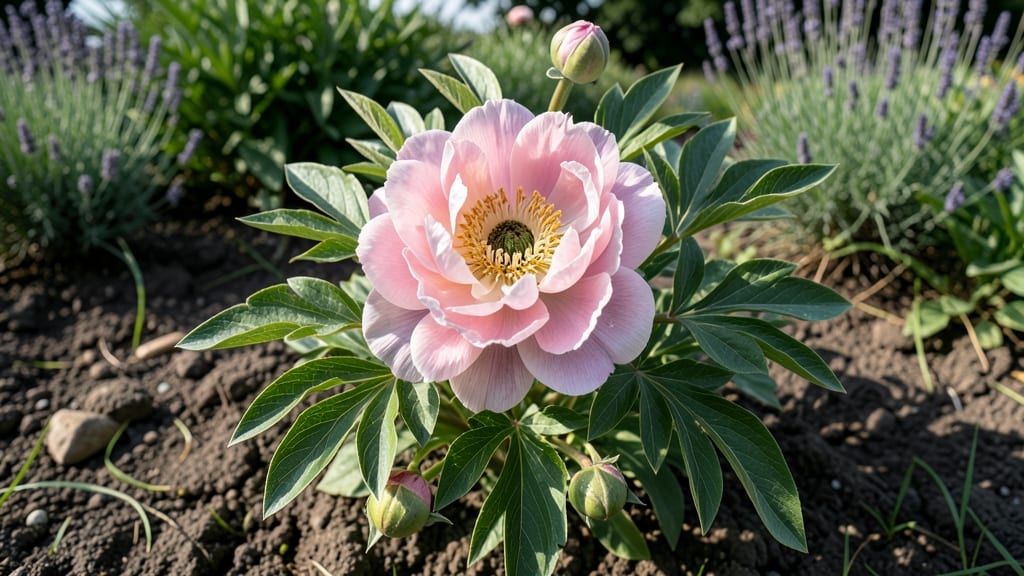
Peonies are perennial plants that thrive through seasonal dieback, returning each spring from their robust underground root systems. This natural cycle means they don’t die annually but instead enter dormancy to emerge stronger year after year.
Peonies aren't just survivors—they're strategists. Their thick, woody rhizomes act like underground batteries, storing energy to fuel regrowth after winter's dormancy. 🌱 Unlike annuals that complete their life cycle in one season, peonies invest in long-term growth, often living for decades with proper care.
This built-in resilience makes them a gardener's favorite, as they reward patience with spectacular blooms every spring.
What sets peonies apart is their ability to adapt to seasonal changes. Their dormancy isn't weakness—it's a survival mechanism that allows them to conserve resources during cold months. Many gardeners worry when peonies die back, but this is simply their natural preparation for rebirth.
The key to keeping them thriving is understanding their cycle and providing the right support during each phase.
💡 In This Article
- Peony Root System Explained: Why They Survive Winter Dieback
- Peony Care Tips for Longevity: Pruning, Mulching, and Winter Protection
Peony root system explained: why they survive winter dieback
The secret to peonies' perennial survival lies in their specialized root system, specifically their thick, woody rhizomes. These underground stems store carbohydrates, nutrients, and moisture like a natural battery, allowing the plant to sustain itself during dormancy.
Unlike annuals, which complete their life cycle in one season, peonies invest heavily in root development, often producing rhizomes that grow 1-2 inches per year—a slow but steady accumulation of energy reserves.
Temperature triggers play a crucial role in their dormancy cycle. Most peony varieties require exposure to 30-40°F temperatures for 4-6 weeks to break dormancy and initiate spring regrowth. This cold stratification mimics natural winter conditions, signaling the plant it's safe to emerge.
Varieties like Paeonia lactiflora (herbaceous peonies) are hardy down to -20°F, while tree peonies (Paeonia suffruticosa) tolerate -10°F but need slightly warmer winters. Moisture levels also matter—too much water during dormancy can rot rhizomes, while dry conditions may stress the plant.
What's fascinating is how peonies prioritize energy storage. During their first few years, they focus on building robust rhizomes before producing flowers. This delayed blooming strategy ensures they have enough reserves to survive harsh winters and still produce vibrant blooms each spring.
The rhizomes' woody texture also provides insulation, protecting the plant's vital tissues from extreme cold and soil temperature fluctuations.
One common misconception is that peonies die back because they're weak, but the opposite is true. Their annual dieback is a survival adaptation that conserves energy when environmental conditions are unfavorable.
For example, in Zone 5 climates, peonies may lose all their foliage by late fall, only to push new shoots through the soil as temperatures rise above 50°F in spring. This cycle repeats reliably because the rhizome system remains dormant but alive underground.
Consider this comparison: While annuals like marigolds complete their entire life cycle in one season, peonies operate on a decades-long timeline. Some heritage peony varieties have lived for over 100 years in gardens, thanks to this efficient root system.
The key to their longevity is this underground storage mechanism, which allows them to weather seasonal changes without losing their core structure.
Understanding this root system explains why peonies often thrive with minimal intervention. Their natural design makes them low-maintenance perennials that reward gardeners with 2-3 weeks of spectacular blooms each year—proof that their dormancy is not a flaw, but a feature of their remarkable survival strategy. 🌿