
How To
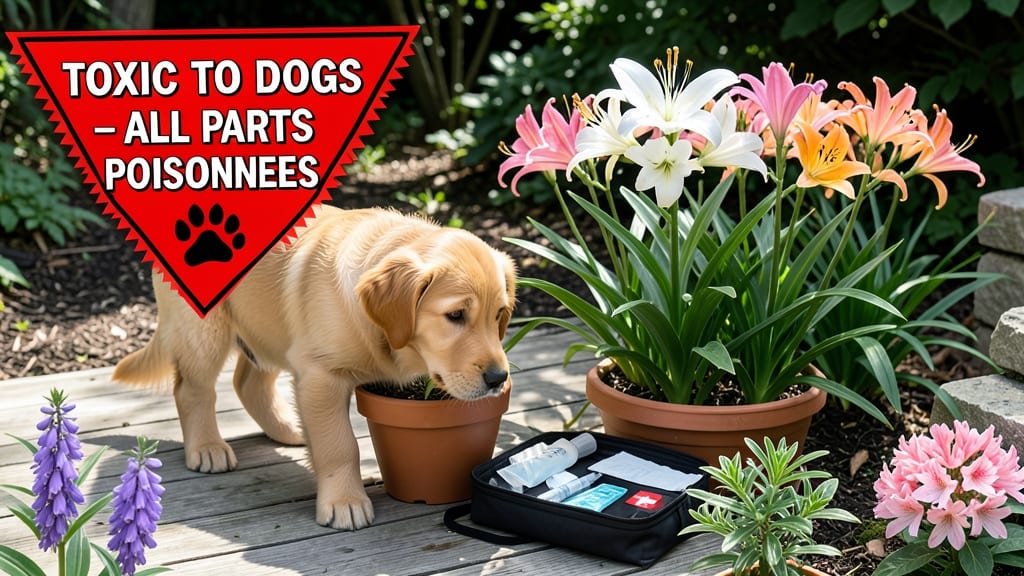
Perennials can be toxic to dogs, with many causing symptoms like vomiting, drooling, or lethargy. Dangerous plants include lilies, foxglove, and azaleas, while safer options like lavender and marigolds pose minimal risk. Always verify plant safety before adding them to your garden.
When it comes to perennials and dogs, the risk varies dramatically between plant types. 🌿 Some contain compounds like alkaloids (found in foxglove) that disrupt a dog's nervous system, while others, like lilies, can cause acute kidney failure even in small amounts.
The severity depends on ingestion quantity and your dog's size—what might be harmless to a large breed could be deadly to a small one. I always recommend creating a pet-safe garden zone using non-toxic alternatives like rosemary or sunflowers, which are both dog-friendly and visually appealing.
Even "safe" plants can cause stomach upset if eaten in large quantities, so supervision is key. 🐕 The best defense is knowing your plants—many nurseries now label toxicity levels, and apps like ASPCA's Plant Finder can help you spot dangerous varieties before they become a problem.
💡 In This Article
- How Perennial Toxicity Affects Dogs: Symptoms and Plant Mechanics
- Safe vs. Dangerous Perennials: A Gardener’s Pet-Friendly Guide
How perennial toxicity affects dogs: symptoms and plant mechanics
Perennial plants contain chemical compounds that can be toxic to dogs, primarily alkaloids, glycosides, and saponins. Alkaloids, like those in foxglove (digitalis), disrupt a dog's nervous system by mimicking neurotransmitters, leading to irregular heartbeats or even cardiac arrest.
Glycosides, found in lilies, break down into toxic byproducts that attack the kidneys, often causing irreversible damage within 24-48 hours of ingestion.
The severity depends on the plant's concentration of these compounds—some, like oleander, contain enough cardiac glycosides to be lethal in just 0.005% of a dog's body weight. 🌿
Symptoms vary by plant type but often start with gastrointestinal distress: excessive drooling, vomiting, or diarrhea. Lilies, for example, can cause oral irritation so severe dogs refuse to eat or drink, leading to dehydration.
Foxglove poisoning, however, progresses to neurological signs like tremors, seizures, or even coma due to its effect on the heart's electrical system. The timing matters too—some toxins, like those in azaleas, may not show symptoms for 6-12 hours, giving pet owners a false sense of security.
A small 10-pound dog might show signs after eating just one leaf of lily, while a 50-pound dog could tolerate slightly more before symptoms appear.
What makes this especially dangerous is how dogs interact with plants. Curious pups often nibble on leaves or chew stems, especially if they're young or bored. The texture of perennials—some smooth like hosta leaves, others fuzzy like lamb's ear—can attract attention.
Even non-toxic plants like mint or basil can cause stomach upset if eaten in large quantities, but the real risk comes from plants that trigger organ failure. For instance, oleander's toxins can cause heart arrhythmias within 30 minutes to 2 hours, making immediate veterinary care critical. 🐾
Not all perennials are equally hazardous, though. The toxicity level depends on the plant's chemical makeup and how a dog's body processes it. For example, daylilies contain hemolytic agents that destroy red blood cells, while snapdragons have saponins that irritate the digestive tract.
The key difference is the LD50 value—the dose needed to kill 50% of test subjects. Lilies have an LD50 of just 0.5 mg/kg, meaning even a tiny amount can be deadly, whereas marigolds are generally considered safe with no reported cases of toxicity in dogs.
Understanding these mechanisms helps pet owners make informed choices. If you suspect your dog has ingested a toxic plant, do not induce vomiting unless instructed by a vet—some toxins cause more damage when regurgitated.
Instead, call the ASPCA Animal Poison Control Center immediately for guidance. Keeping a list of plants in your garden (and their toxicity levels) can save critical minutes in an emergency. 🚨
For gardeners, the best approach is prevention: opt for non-toxic alternatives like rosemary, sunflowers, or pansies, which are safe and visually appealing. Even small amounts of toxic plants can be dangerous, so err on the side of caution.
If you love gardening but also have pets, consider creating separate garden beds—one for toxic plants (like hydrangeas or foxglove) and another for pet-safe varieties.