
Plants
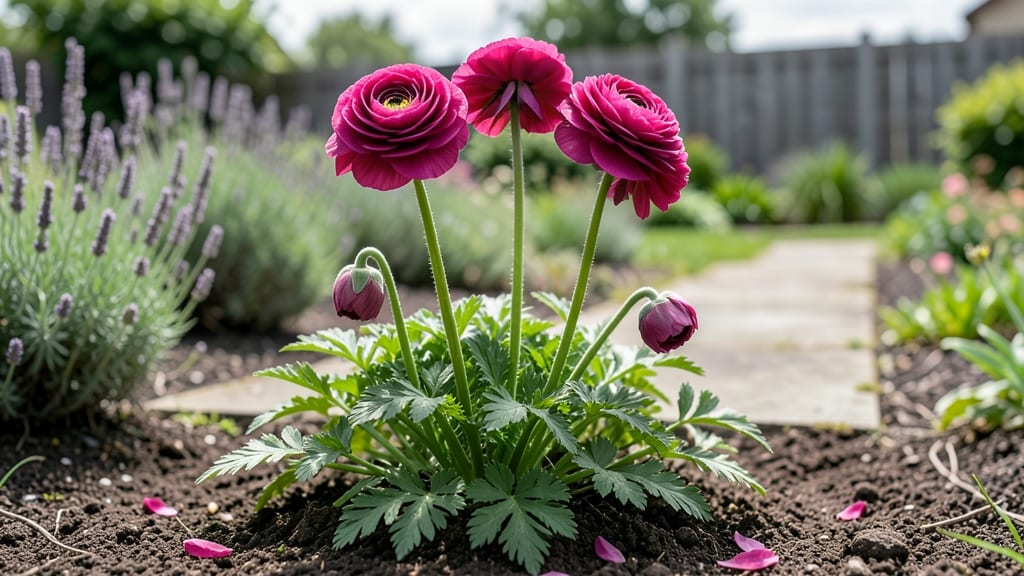
Ranunculus aren't perennials in most climates—but they do return reliably with the right care. 🌱 These showstopping blooms grow from tuberous roots that go dormant in winter, then regrow each spring if protected from freezing. Think of them as "short-lived perennials" that behave more like bulbs than true perennials.
The key to long-term success lies in winter prep: mulch heavily in zones 5-8, or dig and store tubers in pots indoors for colder areas. After blooming, let foliage die back naturally before dividing clumps every 2-3 years—this keeps them vigorous and prevents overcrowding.
With proper winter care, you'll see bold, papery blooms return year after year, often even stronger than the first. They thrive in full sun and well-draining soil, making them low-maintenance once established—just don't let them dry out during their growing season.
Perfect for cutting gardens or borders, ranunculus reward patience with weeks of vibrant color (pinks, whites, yellows) from early spring to summer. The secret? Treat them like tender perennials with winter protection, and they'll keep coming back.
📚 In This Guide
- What you need
- Instructions
- Tips and common mistakes
- Wrapping up and next steps
What you need
- ● Ranunculus bulbs or seeds: Choose cold-hardy varieties like Ranunculus asiaticus or Ranunculus acris. For bulbs, buy 10-20 bulbs per square foot for a lush display.
- ● Well-draining potting mix or garden soil: Ranunculus hates soggy roots—amend clay soil with compost or perlite (1 part perlite to 3 parts soil).
- ● Organic fertilizer (balanced 10-10-10 or bulb-specific): Use 1 tbsp per plant at planting time and again when blooms appear.
- ● Mulch (straw or shredded bark): Apply a 2-inch layer after planting to retain moisture and protect roots in winter.
- ● Garden trowel or bulb planter (for precision planting).
- ● Gloves (to protect hands from sharp bulb edges).
- ● Watering can with a fine rose nozzle (avoid overhead watering to prevent mildew).
- ● Pruners or scissors (for deadheading spent blooms).
- ● Cold frame or row covers (to extend the growing season in colder climates).
- ● Epsom salt (magnesium sulfate) (1 tbsp in a gallon of water monthly for vibrant blooms).
- ● Stakes or floral wire (if your variety grows tall and needs support).
- ● Drip irrigation system (for consistent moisture without overwatering).
How to grow ranunculus as perennials in cold climates
These delicate blooms thrive year after year with the right care—here’s how to keep them coming back stronger.
🌱 Step 1: Choose the Right Variety for Your Climate
Not all ranunculus are created equal when it comes to cold hardiness. Look for hybrid varieties labeled as perennial or cold-hardy, like 'Buttercup' or 'Persian Jewel'—these survive down to 15°F with proper winter prep. Avoid annual types; they’ll die back completely in frost.
I always check the USDA hardiness zone on the seed packet. If you’re in Zone 6 or warmer, you can plant directly in the ground. In colder zones, treat them like tender perennials—plant in containers or lift tubers before winter. The key is dormancy training: let foliage die back naturally in fall, then protect the tubers.
☀️ Step 2: Plant in Full Sun with Well-Draining Soil
Ranunculus demand 6+ hours of direct sun daily for the best blooms, but they’ll tolerate partial shade in hot climates if soil stays moist. Amend heavy clay with sand or perlite—these tubers rot in soggy conditions. I mix in compost for fertility, but avoid fresh manure; it burns delicate roots.
Plant tubers 2 inches deep in fall (Zone 7+) or early spring (Zones 3-6). Space them 4-6 inches apart—crowding leads to weak stems and fewer blooms. After planting, water deeply to settle soil around the tubers. You’ll know it’s right when the soil surface looks slightly firm but not compacted.
💧 Step 3: Water and Fertilize for Continuous Blooms
Keep soil evenly moist but never waterlogged. I check moisture by sticking my finger 1 inch deep—if it’s dry, water until moisture reaches 3 inches down. Overwatering in winter causes rot, while drought stress weakens tubers for next year. Mulch with 2 inches of straw after blooming to retain moisture and insulate roots.
Feed lightly in early spring with a balanced 10-10-10 fertilizer—too much nitrogen makes foliage lush but blooms sparse. I switch to low-phosphorus fertilizer (like 5-10-10) once buds form. Stop fertilizing 6 weeks before first frost to encourage tuber storage of nutrients for next year.
✂️ Step 4: Deadhead and Prepare for Winter
Snip spent blooms just above the first set of leaves to redirect energy to tuber growth. Don’t cut stems too short—leave 2-3 inches to photosynthesize. I deadhead weekly in peak bloom season; this extends flowering by 3-4 weeks and prevents self-seeding (which weakens parent plants).
When foliage turns yellow and dies back naturally (usually late summer to fall), stop watering. Let the tubers dry in the ground for 2 weeks before lifting in colder zones. In Zone 7+, leave them in place and cover with 4-6 inches of mulch (straw or leaves). This protects them through light frosts and makes spring regrowth faster.
⏰ Step 5: Divide and Propagate Every 2-3 Years
Tubers multiply over time, so dig them up in early spring before new growth appears. Gently separate clusters with a clean knife, discarding any mushy or shriveled pieces. Healthy tubers feel firm and plump—like a small potato. Replant the largest sections immediately; smaller pieces can dry slightly before replanting.
Dividing rejuvenates plants and prevents bloom decline. I always rotate planting spots to avoid soil-borne diseases. In Zone 6 and colder, store extra tubers in a cool, dry place (like a paper bag in the fridge) until spring. Label varieties—after a few years, you’ll forget which one produces pink pom-poms versus golden singles!
Tips & tricks for growing cold-hardy ranunculus
These perennials reward patience with stunning annual blooms—here's how to maximize their resilience and beauty.
Variety Selection: When choosing tubers, prioritize those labeled "cold-hardy" or "perennial" like 'Buttercup' or 'Persian Jewel'—these varieties specifically survive down to 15°F with minimal protection. I always verify the USDA zone on the packaging; some hybrid varieties claim hardiness but perform poorly in practice. Look for descriptions mentioning "winter dormancy" or "tuber survival" to ensure you're getting true perennials.
Soil Preparation: The secret to thriving ranunculus lies in well-draining soil—these tubers rot quickly in soggy conditions. In heavy clay soils, mix in sand or perlite (about 20% by volume) to create ideal drainage. I test soil moisture by sticking my finger 1 inch deep—if it feels compacted, add more amendments. For containers, use a blend of 50% potting mix and 50% perlite to prevent waterlogging while still retaining moisture.
Winter Protection Strategy: In Zones 3-5, lift tubers 2 weeks before first frost and store them in a cool, dry place (like a paper bag in the fridge) until spring. For Zones 6-7, mulch heavily with 4-6 inches of straw after foliage dies back. I've found that adding a thin layer of bubble wrap over the mulch in extreme cold snaps provides that extra insulation without smothering the plants. This layered approach protects tubers through light frosts while allowing natural air circulation.
Division Timing: The best time to divide ranunculus is early spring before new growth appears, but you can also do it in early fall if your climate has mild winters. I always divide every 2-3 years to prevent overcrowding—this rejuvenates plants and produces stronger blooms. When separating tubers, look for healthy ones that feel firm and plump like small potatoes; discard any that feel mushy or shriveled. Smaller tuber pieces can dry slightly before replanting, but larger sections should go straight back into the ground.
Pro Tips for Are Ranunculus Perennials
- These perennials reward patience with stunning annual blooms—here's how to maximize their resilience and beauty.
- Variety Selection: When choosing tubers, prioritize those labeled "cold-hardy" or "perennial" like 'Buttercup' or 'Persian Jewel'—these varieties specifically survive down to 15°F with minimal protection.
- Soil Preparation: The secret to thriving ranunculus lies in well-draining soil—these tubers rot quickly in soggy conditions.
Frequently asked questions
Got questions about ranunculus as perennials?
Here are some of the most common ones—and their answers—to help you grow these stunning blooms with confidence!
Are ranunculus truly perennials, or do they need to be replanted yearly?
Most ranunculus are tender perennials in warm climates (Zones 8-10), but they’re often grown as annuals in colder regions. In cooler areas, their tubers (roots) die back in winter and must be dug up, stored, and replanted each spring. With proper care, they’ll thrive for years!
How cold-hardy are ranunculus, and can they survive winter?
Ranunculus can tolerate light frosts (down to 20°F/-7°C), but they’re not frost-proof. In Zones 5-7, protect them with mulch or grow them in containers to move indoors. In colder zones, dig up tubers before the first hard freeze and store them in a cool, dry place until spring.
Why do my ranunculus flowers look sad or wilt quickly?
Wilting can happen due to overwatering (they hate soggy roots), heat stress, or poor drainage. Ensure they get well-draining soil and water only when the top inch is dry. Also, avoid cutting stems too long—leave a few inches to support the plant.
Can I grow ranunculus from seeds, or do I need to buy tubers?
While possible, ranunculus are much easier to grow from tubers (which are essentially dormant bulbs). Seeds take longer to bloom and may not produce flowers as vibrantly. If you’re patient, try seeds in a controlled environment, but tubers are the foolproof choice!
What’s the best companion plant for ranunculus?
Pair them with low-growing plants like pansies, violas, or creeping thyme to avoid shading. They also love being near tall perennials (like delphiniums) for height contrast. Just avoid heavy feeders—they compete for nutrients!
Wrapping up and next steps
So, are ranunculus perennials? Yes! These stunning blooms thrive in cold climates, reward gardeners with year-after-year returns, and bring vibrant color to your landscape—with the right care. Whether you’re a seasoned gardener or just starting, their resilience and beauty make them a must-have for any garden. 🌱
Ready to grow your own? Start by choosing the perfect variety, prepping your soil, and giving them the love they deserve. Plant a few this season—your future garden will thank you!