
Flowers
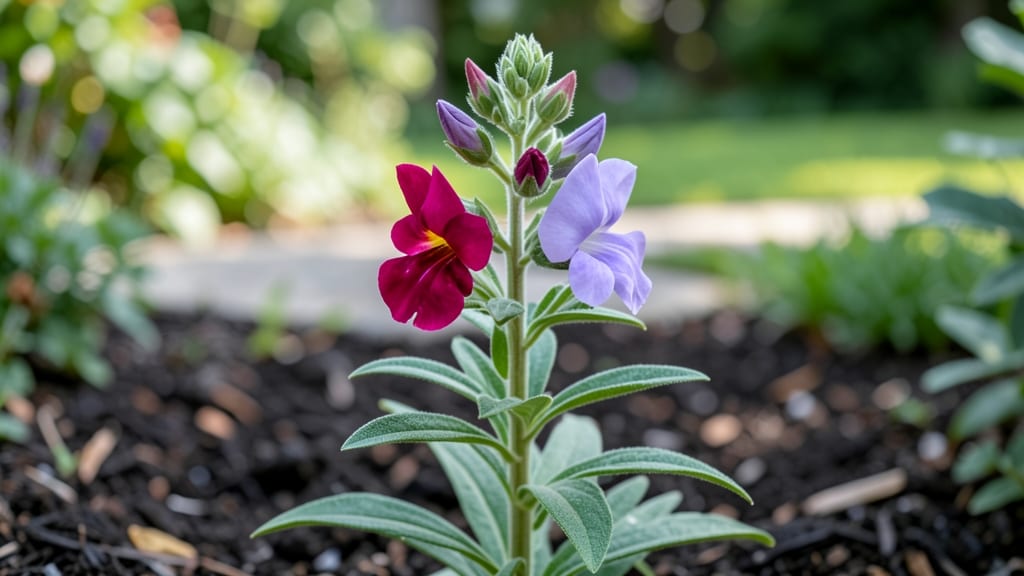
Snapdragons are perennial plants in most climates, though they typically behave as biennials or short-lived perennials, dying back after flowering but regrowing from their root system in spring if winter conditions remain mild. Cold-hardy varieties can persist for multiple seasons with proper care.
While snapdragons may appear to die completely after their first bloom cycle, their root crowns often remain dormant underground, ready to push new growth when temperatures rise. 🌱 This hardiness makes them surprisingly resilient—many gardeners report seeing the same plants return year after year, especially in warmer regions like USDA zones 7 and above.
The key difference between true perennials and snapdragons lies in their growth pattern: where perennials like lavender bloom annually, snapdragons often put all their energy into one spectacular flowering season before resting.
What sets snapdragons apart is their adaptability—some varieties, particularly those bred for cold tolerance, can actually thrive as true perennials in ideal conditions. For example, 'Black Prince' snapdragons often survive multiple winters in zone 6 with proper mulching.
The trade-off? Their first-year blooms tend to be less robust than subsequent years, which explains why many gardeners treat them as annuals despite their perennial tendencies.
💡 In This Article
- Snapdragon Life Cycle: Why They Die Back but Return
- Extending Snapdragon Longevity: Climate-Specific Care Tips
Snapdragon life cycle: why they die back but return
The snapdragon's biennial or short-lived perennial behavior stems from its root crown—a thickened stem base that stores energy like a biological battery. When temperatures drop below 40°F in late fall, the above-ground foliage yellows and dies back, but the root crown remains dormant underground.
This process isn't death—it's a survival strategy called dormancy, where metabolic activity slows to 5-10% of normal rates to conserve energy through winter.
What triggers regrowth in spring? The combination of consistent soil temperatures above 50°F and increasing daylight hours signals the root crown to push new shoots.
This explains why snapdragons often bloom more vigorously in their second year—they've stored energy underground during their first dormant period. 🌱 In colder climates (USDA zones 3-5), this cycle repeats annually, while in milder zones (6-9), the root crown may persist for 2-3 years before weakening.
The biennial tendency dominates because snapdragons prioritize reproductive success over longevity. Their first year focuses on building strong root systems, while the second year dedicates energy to flowering and seed production.
This two-year cycle mirrors many vegetable plants like carrots or onions, which also store energy in underground structures before flowering. The trade-off? Snapdragons that survive multiple winters often produce fewer but larger blooms in subsequent years.
Temperature plays the biggest role in determining whether snapdragons behave as true perennials. Varieties like 'Matrix' or 'Rocket' snapdragons often survive 3-4 years in zone 7 with proper care, while traditional heirloom types may only last 1-2 years in zone 5.
The key difference lies in their cold hardiness ratings—modern hybrids have been bred to withstand -10°F to -15°F temperatures, while older varieties typically top out at 20°F tolerance.
Here's what's happening at the cellular level: The root crown contains specialized cells called meristems that remain undifferentiated and capable of generating new growth. These cells produce hormones like auxin and cytokinin that regulate dormancy and regrowth.
When spring arrives, these hormones trigger cell division in the meristems, pushing new shoots upward. This biological mechanism is why you can sometimes see snapdragons regrow even after a complete dieback—the root system was never truly dead.
What most gardeners miss is that snapdragons often produce secondary shoots from their base in late summer, which can overwinter successfully. These smaller shoots develop from axillary buds along the main stem and contain their own mini root systems.
When you see snapdragons returning in spring, you're often looking at these secondary shoots rather than the original plant structure. This explains why some plants appear to "come back stronger" after their first year.