
Pests
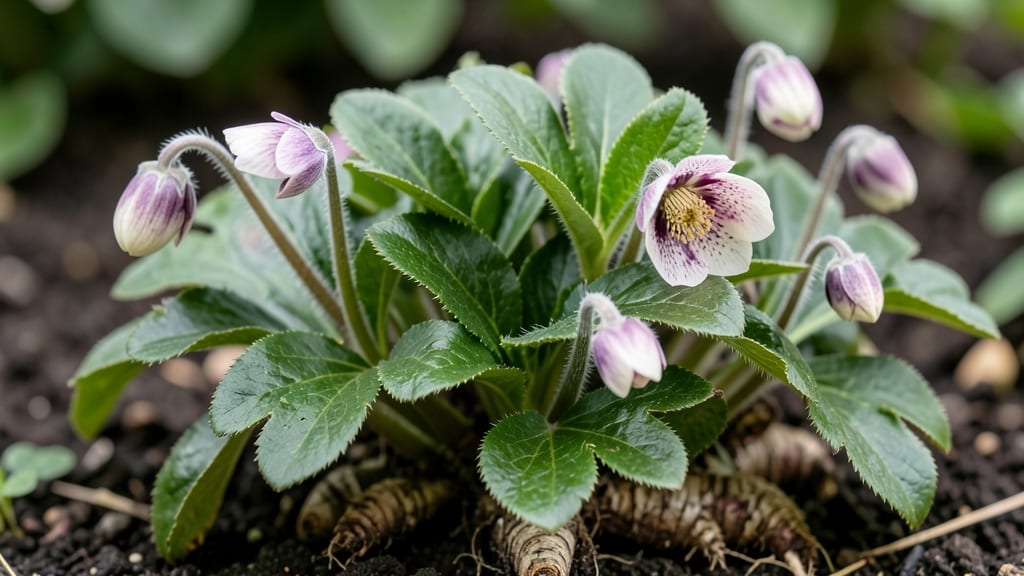
Deer-resistant perennials save my garden every fall. 🌿 I’ve lost count of the times my prized hostas vanished overnight—until I swapped them for tough, fragrant plants that deer simply avoid.
The secret isn’t fancy tricks but choosing the right species that naturally repel browsers with strong scents, fuzzy textures, or toxic compounds. My top performers include lavender (zones 5-9), coneflowers (zones 3-9), and Russian sage (zones 4-9)—all thrive in full sun and need minimal fuss.
Plant them in clusters near high-traffic areas, and you’ll create a natural deer deterrent that doubles as a pollinator magnet. The best part? They multiply yearly, reducing your workload while keeping critters at bay.
By mid-summer, your garden will burst with vibrant blooms that deer ignore, and the air will hum with bees and butterflies. These perennials handle drought once established, so they’re low-maintenance champions for busy gardeners. No more waking up to chewed leaves or trampled beds—just reliable, lush greenery that thrives.
Works in urban backyards, rural edges, or wildlife corridors—just adjust spacing for your climate. Here’s how to pick the perfect mix for your space and soil. Let’s get started!
📚 In This Guide
- What you need
- Instructions
- Tips and common mistakes
- Wrapping up and next steps
What you need
- ● Deer-resistant perennial plants (5–10+ varieties): 1–3 Lavender plants (per 3 ft. of garden bed)
- ● 1–2 Russian Sage bushes (per 4 ft. of space)
- ● 3–5 Salvia plants (per 2 ft. of bed)
- ● 1–2 Coneflower (Echinacea) per 3 ft.
- ● 1 Foxglove (per 2 ft. of height)
- ● 1–3 Hellebore (Lenten Rose) (per 2 ft. of space)
- ● High-quality potting soil or compost: 2–3 cubic yards (depending on garden size)
- ● Organic mulch (cedar or pine straw): 1–2 bags (2–3 cubic feet each)
- ● Slow-release fertilizer (10-10-10 or organic option): 1–2 bags (covering 500–1,000 sq. ft.)
- ● Garden trowel or spade (for planting)
- ● Pruning shears (sharp, for trimming)
- ● Gloves (gardening or work gloves)
- ● Watering can or hose with nozzle (for gentle watering)
- ● Measuring tape (for spacing plants correctly)
- ○ Wheelbarrow or garden cart (optional, for hauling soil/mulch)
- ● Deer repellent spray (natural options like garlic or rotten egg scent)
- ● Fence or physical barrier (for high-traffic deer areas)
- ● Plant markers (to label varieties)
- ● Drip irrigation system (for automated watering)
- ● Compost tea or seaweed extract (for extra plant vigor)
How to design a deer-resistant perennial garden
Here’s my go-to approach for planting perennials that deer ignore—no fences or repellents needed.
🌱 Step 1: Select the Right Deer-Resistant Perennials
Focus on plants with strong fragrances, fuzzy or prickly foliage, or toxic compounds that deer avoid. My top picks for year-round interest include lamb’s ear (Stachys byzantina), Russian sage (Perovskia atriplicifolia), catmint (Nepeta), and yarrow (Achillea). These thrive in full sun and handle drought once established.
I also add peony (Paeonia) for early spring blooms and black-eyed Susan (Rudbeckia) for late summer color—both are deer-proof. Avoid tender perennials like hostas or daylilies unless you’re willing to protect them. Research your local deer preferences; some regions have unique browsing habits.
☀️ Step 2: Plan for Sunlight and Soil Conditions
Most deer-resistant perennials prefer full sun (6+ hours daily), but a few like heuchera (Coral Bells) tolerate partial shade. Test your garden’s sunlight exposure by observing where shadows fall at midday. Amend heavy clay soil with compost to improve drainage—deer-resistant plants often struggle in soggy conditions.
I spread a 2-3 inch layer of mulch (like pine bark or straw) after planting to suppress weeds and retain moisture. This also makes the garden less inviting to deer, as they dislike walking through mulched areas. Space plants 18-24 inches apart to allow airflow and discourage fungal issues.
💧 Step 3: Plant and Water Deeply
Dig holes twice as wide as the root ball but no deeper. Gently loosen roots if pot-bound, then place the plant so the top of the root ball sits even with the soil line. Backfill with native soil, pressing lightly to eliminate air pockets. Water immediately to settle the soil and remove the planting container.
For the first 2-3 weeks, water deeply every 2-3 days until the soil is 6 inches deep and moist. After that, reduce to once a week unless your region experiences extreme heat. Overwatering invites root rot, while underwatering stresses plants—making them more appealing to hungry deer.
✂️ Step 4: Maintain with Strategic Pruning
Deadhead spent blooms on yarrow and catmint in early fall to encourage new growth, but leave Russian sage stems intact for winter interest. Prune lamb’s ear back by one-third in early spring to promote bushier foliage. Avoid heavy pruning in late summer, as deer are more likely to browse stressed plants.
I fertilize lightly in early spring with a balanced 10-10-10 formula, but most deer-resistant perennials thrive with minimal feeding. Over-fertilizing leads to lush, tender growth—exactly what deer crave. Instead, focus on mulching annually to replenish nutrients naturally.
🌿 Step 5: Add Natural Deterrents
Plant garlic, chives, or lavender near the perimeter of your garden—their strong scents confuse deer and mask plant fragrances. I also scatter eggshells or crushed red pepper lightly around plant bases (reapply after rain). These irritants deter deer without harming plants or pollinators.
Finally, incorporate ornamental grasses like miscanthus or feather reed grass—their airy texture breaks up the garden’s visual appeal to deer. The movement from wind also startles them. With these layers, your garden becomes a deer-free zone while staying lush and vibrant.
Tips & tricks for year-round deer-resistant perennial gardens
These insider strategies will help you create a thriving garden that deer ignore while maximizing beauty and resilience.
Plant Placement Strategy: Group your deer-resistant perennials in clusters rather than spreading them out. Deer are less likely to browse through dense plantings, and the visual impact creates a more dramatic garden effect. For example, plant Russian sage and catmint together in a 3-foot-wide swath—their combined fragrance and texture become overwhelming to deer. This also creates a natural barrier that deer won't cross, protecting more tender plants behind them.
Soil Preparation Secret: Before planting, mix compost into your native soil at a 20% ratio (about 3-4 inches of compost per square foot). This improves drainage and provides essential nutrients without creating the lush, tender growth deer crave. I've found that deer-resistant plants actually thrive with less fertilizer—they're adapted to leaner conditions. The key is to amend the soil properly once, rather than feeding regularly.
Seasonal Maintenance Insight: In late summer, avoid heavy pruning of any perennials—this stresses plants and makes them more vulnerable to deer browsing. Instead, focus on deadheading finished blooms like yarrow and black-eyed Susan to encourage new growth without disturbing the plant's structure. For Russian sage, leave the seed heads intact through winter—they provide winter interest and deter deer with their prickly texture.
Natural Deterrent Layering: Create a "deer confusion zone" by interplanting strong-scented herbs like garlic and lavender at your garden's perimeter. The overlapping fragrances create a scent barrier that masks the aroma of your perennials. I also recommend planting miscanthus grasses at the edges—their movement in the wind startles deer and makes the garden less appealing as a browsing ground.
Pro Tips for Deer Resistant Perennial Plants
- These insider strategies will help you create a thriving garden that deer ignore while maximizing beauty and resilience.
- Plant Placement Strategy: Group your deer-resistant perennials in clusters rather than spreading them out.
- Soil Preparation Secret: Before planting, mix compost into your native soil at a 20% ratio (about 3-4 inches of compost per square foot).
Frequently asked questions
Got questions about keeping deer at bay while adding lasting beauty to your garden? Here are some of the most common concerns—and their solutions!
What are the most effective deer-resistant perennials for my region?
Deer preferences vary by region, but lamb’s ear, Russian sage, and hellebores are top picks nationwide. For arid climates, try yarrow or blanket flower; in shady areas, foxglove or astilbe thrive. Check your USDA hardiness zone and local extension office for tailored recommendations!
When is the best time to plant deer-resistant perennials?
Plant in early spring or fall (4–6 weeks before frost) for optimal root establishment. Avoid summer heat or winter cold, which stress plants and make them more vulnerable to deer browsing. Divide established perennials in spring for faster growth and stronger resistance.
Will deer eventually give up if I plant enough resistant species?
While deer-resistant plants deter most browsers, they’re not foolproof—especially during harsh winters or droughts when food is scarce. Combine strongly scented plants (like lavender or rosemary) with physical barriers (fencing, netting) for best results. Rotate varieties annually to confuse deer!
What if deer still eat my perennials? Troubleshooting tips?
- Spray with hot pepper wax (mix cayenne + water + soap) on leaves.
- Use deer repellent sprays (like Liquid Fence) every 2–4 weeks.
- Add motion-activated sprinklers to startle browsers.
- Plant sacrificial "deer magnets" (like marigolds or daffodils) nearby to divert attention.
Are there deer-resistant annuals I can mix in for extra protection?
Yes! Try snakeshead fritillary, coleus, or sweet alyssum—their strong scents or fuzzy textures deter deer. Annuals also fill gaps quickly and can mask vulnerable perennials until they mature. Just replant them yearly for continuous coverage!
Wrapping up and next steps
Transforming your garden into a deer-resistant paradise is easier than you think! By choosing hardy perennials like lavender, coneflowers, and Russian sage, you’ll enjoy year-round beauty while keeping those hungry browsers at bay. 🌿✨
Ready to take the next step? Start small—plant a few deer-resistant favorites in high-traffic areas, then expand as you see what thrives. Your garden (and your sanity!) will thank you.
Pro tip: Pair plants with natural repellents like garlic or soap sprays for extra protection. Happy gardening!