
Watering
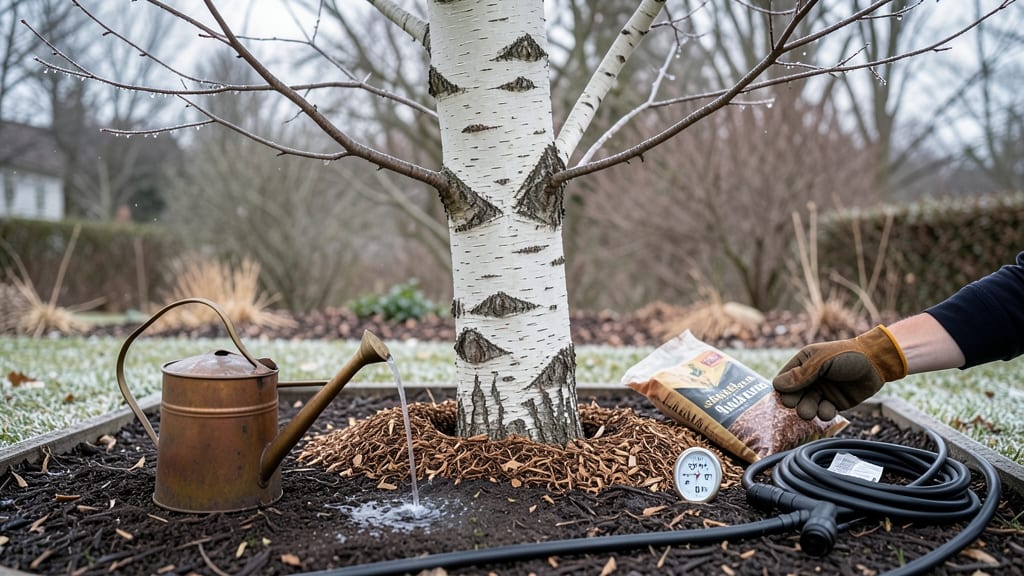
Watering outdoor plants in winter requires a completely different approach than in summer—most need far less, but timing and technique still matter.
Picture this: you’ve just watered your 🌱 evergreens in October, only to find them wilting by December. That’s because cold soil drains slower, frost locks moisture in place, and evaporation drops to a fraction of summer levels.
The key isn’t just how much you water—it’s when and how you do it.
In USDA Zone 6a, where I garden, winter watering often means skipping it entirely for dormant perennials but checking soil moisture weekly for thirsty evergreens like boxwoods. Rainfall patterns, mulch depth, and even your soil type (clay vs. sandy) shift the rules dramatically.
Below, I break down zone-specific schedules, plant-by-plant needs, and the subtle signs your outdoor plants are begging for water—or begging you to stop. No more guesswork, just science-backed adjustments to keep your garden thriving without wasting a drop.
Winter watering frequency by USDA hardiness Zones: a science-based guide
Winter watering isn't just about guessing—it's a science-based balance between soil moisture retention and plant dormancy needs. Unlike summer, when evaporation rates can be 3-5x higher, winter's cooler temps and reduced sunlight mean plants need far less water.
But overwatering in cold soil can suffocate roots, while underwatering risks dehydration, especially for evergreens. Your USDA hardiness zone dictates how often you should water, as frost depth and rainfall patterns vary dramatically across regions.
For example, Zone 3 gardeners in Minnesota face 20+ inches of frost penetration, while Zone 10 in Southern California might see minimal frost at all. Even rainfall averages shift: Zone 5 gets 20-30% less precipitation in winter, while Zone 8 sees consistent moisture.
The key is adjusting your watering schedule to match these local microclimates while accounting for soil type—sandy soils dry faster than clay.
Here’s how to adjust watering frequency by zone, using evaporation rates and plant-specific needs as your guide. Remember: Mulch 2-4 inches deep to lock in moisture and protect roots from temperature swings.
In Zones 3-4, where frost can penetrate 24+ inches, most plants enter deep dormancy. Watering here should be minimal and strategic: focus on evergreens like pine or spruce, which continue photosynthesizing, and newly planted trees that need root establishment.
A deep soak every 3-4 weeks is often enough—unless you’re in a drought-prone microclimate, where you might need to water bi-weekly.
By Zones 5-6, the balance shifts. Deciduous trees like oak or maple can go months without water, but broadleaf evergreens (e.g., rhododendrons, boxwoods) need consistent moisture to prevent winter burn.
Here, mulch becomes critical: a 4-inch layer of shredded bark can reduce water needs by up to 50% by insulating roots.
Southern gardeners in Zones 7-10 face a different challenge: mild winters mean some plants—like camellias or citrus—remain actively growing. In these zones, weekly light watering may be necessary, but avoid soggy soil, which can lead to root rot.
A drip irrigation system on a timer can automate this, delivering 1/4-inch per week without overdoing it.
One common mistake is assuming rain replaces watering. Even in wet climates, 1 inch of rain
Signs your outdoor plants need water in winter (and when to skip it)
Winter watering feels like a guessing game—too much moisture can suffocate roots, while too little leaves plants parched and vulnerable. The key lies in understanding your plants' hidden signals. Unlike summer, when wilting is obvious, winter dehydration often hides beneath crispy bark or dull foliage.
I’ve learned to trust my fingers more than my watering schedule, especially after watching my boxwoods suffer from overzealous wintering.
Start by checking the soil moisture—not the surface, but 2-3 inches down. Stick your finger in; if it feels drier than a cotton ball, your plants are thirsty. For evergreens like pine or spruce, their needles should snap when bent—not bend like fresh asparagus.
And watch for yellowing leaves on deciduous plants, a classic sign of winter stress from either too much or too little water.
🌱 Winter Watering Rules
- Check soil 2-3" deep—dry? Water lightly.
- Evergreens need monthly water in dry zones.
- Dormant plants (e.g., roses) often skip watering entirely.
- Mulch retains moisture—add 3-4 inches before frost.
- Rainfall >0.5" cancels watering for 2 weeks.
⚠️ Warning: Overwatering kills more winter plants than drought.
One of my biggest mistakes? Watering succulents and sedum in winter. These drought-lovers store water in their leaves, and winter moisture can trigger rot. Instead, I now let the soil dry out completely between waterings—even if that means waiting until spring.
For young trees or newly planted perennials, though, a light drink every 3-4 weeks keeps roots from drying out during freeze-thaw cycles.
Don’t rely on a calendar—weather patterns dictate winter watering more than dates. In Zone 5**, where I garden, we often get thaw periods that wake up roots, making them thirsty again.
I’ve started marking my watering schedule around these temperature swings, not just the calendar month. And always water in the morning to avoid fungal issues from evening dampness.
Pro tip: Use a soil moisture meter for accuracy, especially in containers where roots can’t seek deeper water. Potted plants dry out faster, even in winter, so I check them weekly—even if the ground outside is frozen.
For bulbs like daffodils or tulips, skip watering entirely once foliage dies back; they’re storing energy for next year’s blooms.
Remember, winter watering isn’t about keeping plants perky—it’s about preventing damage. Overwatered roots rot in cold soil, while underwatered plants can’t recover when spring arrives. When in doubt, skip it—most established plants can handle a dry winter.
But if your needles brown, bark cracks, or leaves curl, it’s time to intervene with a deep but gentle drink.