
Orchid Care
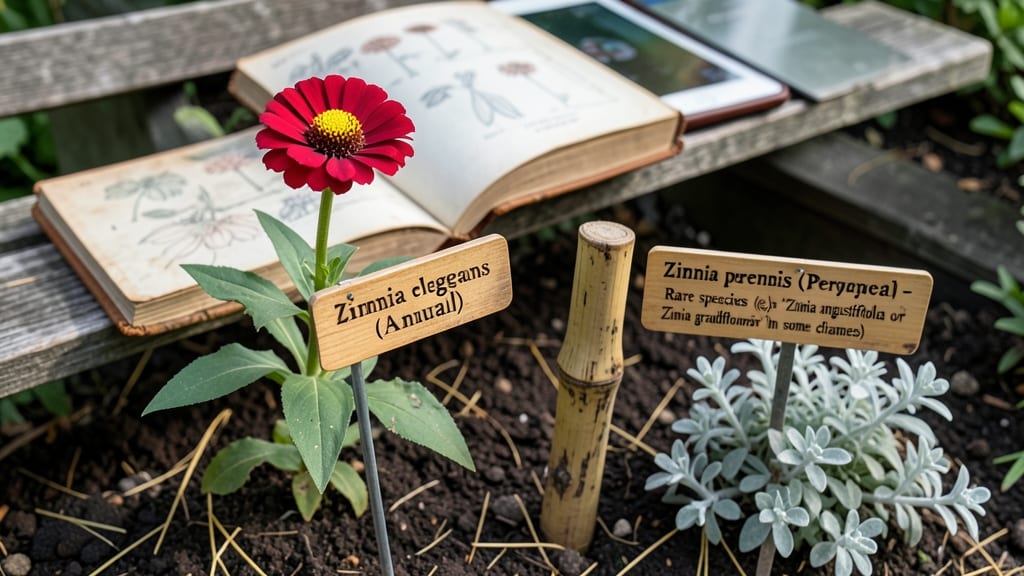
Zinnias are annuals in most climates but act as perennials in USDA Zones 9-11, where their tough root systems survive winter dieback. Frost in cooler regions usually kills them back to the ground each year.
Zinnias thrive as annuals in most gardens because their tops die back with frost, but their roots often persist.
In warmer climates like Zones 9-11, these roots send up fresh growth each spring, making them behave like perennials. 🌱 The key difference lies in temperature tolerance—cold snaps trigger dormancy in cooler areas, while mild winters allow continuous regrowth.
This explains why some gardeners in marginal zones report sporadic returns after mild winters, even when frost typically kills them back.
For those in transitional climates, selecting cold-hardy varieties like 'Profusion' or 'Benary's Giant' can improve survival odds. Mulching heavily in fall and providing winter protection (like row covers) may also encourage perennial-like behavior in slightly cooler regions.
The plant's ability to regrow depends entirely on whether the roots remain undamaged through winter.
💡 In This Article
- Zinnia Life Cycle: Why They Die Back and Regrow
- Growing Zinnias as Perennials: Tips for Year-Round Cultivation
Zinnia life cycle: why they die back and regrow
The zinnia's behavior as an annual or perennial comes down to its root system and temperature sensitivity. These plants develop a thick, tuberous root structure that stores energy and nutrients.
In USDA Zones 9-11, where winter temperatures rarely drop below 40°F, these roots remain dormant but viable through the cold season. When spring arrives, the roots detect rising soil temperatures (around 55-60°F) and trigger new shoot growth—just like a true perennial.
In colder climates, frost becomes the critical factor. Zinnia foliage and stems contain high moisture content (about 85-90% water), which freezes and ruptures cell walls at 32°F or below.
This causes the above-ground plant to collapse, but the roots may still survive if protected by 2-4 inches of mulch or soil. The key difference is that colder winters often drop below 28°F, which can damage even the hardy roots, forcing complete regrowth from seed the following season.
What's fascinating is how zinnia roots detect temperature changes. The roots contain specialized cells that produce hormones like gibberellins when soil warms. These hormones signal the plant to break dormancy and push new shoots upward.
In warm zones, this cycle repeats annually, while in cooler areas, the roots may only survive 1-2 winters before weakening and requiring replanting. 🌱
Another factor is photoperiod sensitivity. Zinnias are short-day plants, meaning they flower best when daylight hours shorten (typical of late summer/fall). However, their root systems remain active as long as soil temperatures stay above 50°F.
This explains why you might see sporadic regrowth in marginal zones after unusually mild winters—even if frost typically kills them back.
For gardeners in transitional climates (like Zone 8), the battle between root survival and frost becomes a game of inches. A 3-inch layer of straw mulch can raise soil temperatures by 2-4°F, making the difference between root survival and death.
Similarly, planting in microclimates where cold air pools less (like south-facing slopes) can extend the window for perennial-like behavior.
Consider this comparison: In Zone 10, where winters rarely drop below 35°F, zinnia roots may regrow for 5+ years with minimal care. But in Zone 7, where winters often dip to 15°F, the same roots would likely die back annually.
The plant's ability to persist depends entirely on whether the roots experience freeze-thaw cycles or prolonged sub-freezing temperatures.