
Light Requirements
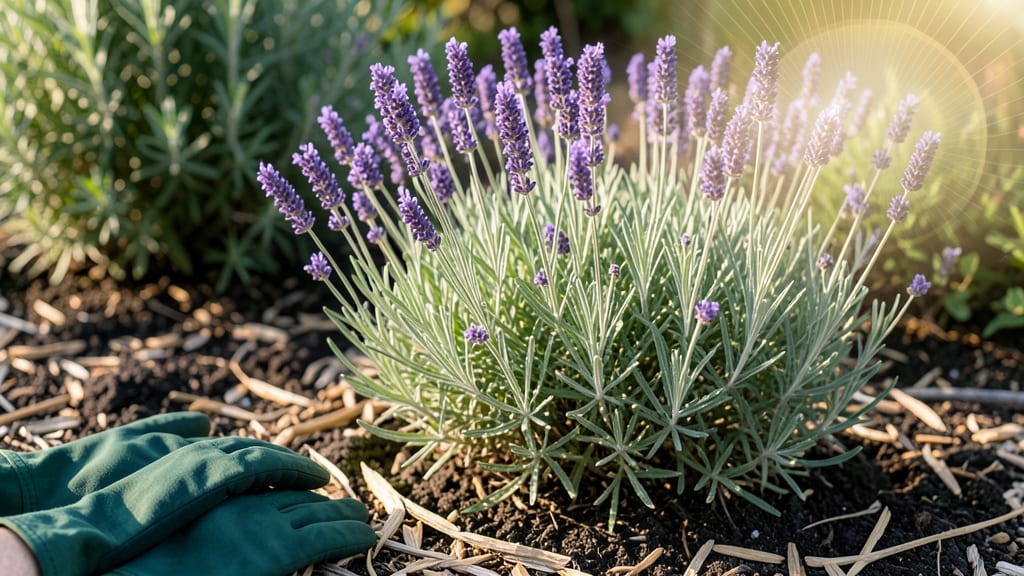
Full sun gardens don’t have to mean thirsty, high-maintenance plants—some perennials thrive on six-plus hours of sunlight while barely sipping water. 🌞 I’ve tested dozens, and these drought-tolerant stars consistently deliver bold blooms, lush foliage, and zero guilt over water bills. The secret?
Pairing the right plants with smart soil prep and spacing. These perennials handle heat like pros: Russian sage stands tall at 4-5 feet with lavender-blue spikes that hum with bees, while black-eyed Susan (3 feet tall) bursts with golden-yellow blooms from midsummer to frost.
For texture, sedum (1-3 feet) offers succulent leaves and pink clusters that last until winter’s first freeze. All three need well-draining soil and minimal fuss once established.
By layering these with salvia (for early color) and coneflowers (for late-season interest), you’ll create a garden that stays vibrant through droughts, deer pressure, and even forgetful watering. The best part? They multiply yearly, reducing your plant budget to near zero.
Perfect for borders, pollinator patches, or low-water landscapes—these perennials prove full sun can be both stunning and sustainable. Let’s dive into the full lineup and how to arrange them for maximum impact.
📚 In This Guide
- What you need
- Instructions
- Tips and common mistakes
- Wrapping up and next steps
What you need
- ● Perennial plants: Choose from your selected drought-tolerant stars (e.g., Lavender, Russian Sage, Black-Eyed Susan, or Coneflower). Buy 1-3 plants per variety (depending on desired coverage). Opt for 1-gallon containers for established plants or plugs for faster growth.
- ● Well-draining soil: Amend native soil with compost (2-3 inches) or a cactus/succulent mix if drainage is poor. For containers, use a lightweight potting mix with perlite or sand.
- ● Mulch: 2-3 inches of organic mulch (e.g., shredded bark, gravel, or straw) to retain moisture and suppress weeds. Pro tip: 💡 Use gravel or rocks for ultra-low-maintenance areas!
- ● Watering supplies: A soaker hose or drip irrigation system (for deep, infrequent watering).
- ● A watering can with a rose attachment (for containers or small patches).
- ○ Fertilizer (optional): A slow-release granular fertilizer (e.g., 10-10-10 or organic options like bone meal or compost tea). Apply once in early spring.
- ● A balanced liquid fertilizer (e.g., fish emulsion) for a mid-season boost.
- ● Pruners: Bypass pruners (for clean cuts) or hedge shears (for shaping). Keep them sharp and sanitized with rubbing alcohol!
- ● Gloves & protective gear: Garden gloves (for prickly plants like Agastache) and long sleeves (to avoid sun exposure).
- ○ Stakes or plant supports (optional): Use bamboo stakes or spiral ties for tall perennials like Bee Balm or Joe Pye Weed.
- ● Sunny location: Ensure your planting area gets 6+ hours of direct sunlight daily. Test with a sunlight tracker app if unsure!
- ● Weather check: Plant in early spring or fall (avoid extreme heat or frost). For containers, wait until nighttime temps stay above 50°F (10°C).
- ○ Soil test (optional but helpful): Use a DIY soil test kit to check pH (most perennials prefer 6.0–7.0). Adjust with lime (to raise pH) or sulfur (to lower pH) if needed.
- ● Water source nearby: Have a hose or watering can within 10–15 feet of your planting area for easy access.
How to select and plant the best drought-tolerant perennials for full sun
Here’s how to curate a sun-loving perennial garden that thrives on minimal water and delivers bold blooms season after season.
☀️ Step 1: Choose the Right Drought-Tolerant Perennials
Prioritize plants with deep root systems and succulent foliage—these traits ensure resilience in full sun conditions. My top picks include black-eyed Susan (Rudbeckia hirta), coneflower (Echinacea purpurea), and Russian sage (Perovskia atriplicifolia), all of which handle 6+ hours of direct sun daily without wilting. These varieties also boast low water needs once established, making them ideal for water-conscious gardens.
For texture contrast, add lavender (Lavandula angustifolia) and sedum (Sedum spp.), both of which store moisture in their leaves and stems. Plant them in well-draining soil—these perennials despise soggy roots. I always check the USDA Hardiness Zone map to ensure the selected plants thrive in my climate zone, as drought tolerance varies by region.
🪴 Step 2: Prepare the Soil for Optimal Drainage
Full sun perennials demand soil that drains quickly but retains enough moisture to prevent drought stress. Amend native soil with 2-3 inches of compost to improve structure and fertility, then mix in 10-20% coarse sand or perlite for grit. This prevents compaction, which can suffocate roots and invite fungal diseases. Test soil pH—most drought-tolerant perennials prefer a slightly alkaline to neutral range (6.0-7.5).
If your soil is heavy clay, create raised beds or mounds to elevate roots above waterlogged layers. I like to work in a 5-foot square area at a time, loosening soil to a depth of 12 inches to encourage deep root penetration. Avoid tilling when soil is wet; it disrupts soil structure and compacts again when dry.
🌱 Step 3: Plant at the Correct Depth and Spacing
Dig holes twice as wide as the root ball but only as deep as the container’s base—planting too deep can smother stems and invite rot. Gently tease apart roots if they’re circling, then place the plant so the top of the root ball sits level with the surrounding soil. Backfill with native soil mixed with compost, pressing lightly to eliminate air pockets.
Space perennials according to their mature size—black-eyed Susans need 18-24 inches apart, while coneflowers thrive with 24-36 inches of clearance. Overcrowding leads to competition for water and nutrients, defeating the purpose of drought tolerance. Water deeply after planting to settle the soil and encourage root expansion into the surrounding area.
💧 Step 4: Water Deeply and Establish a Drought-Resistant Routine
For the first 2-3 weeks, water newly planted perennials every 2-3 days until they show signs of new growth. This mimics natural rainfall and helps roots establish before summer heat arrives. After that, shift to deep watering once a week—soak the soil to a depth of 6-8 inches to encourage deep root development. Shallow watering promotes weak, surface roots that dry out quickly.
Mulch with 2-3 inches of organic mulch (like shredded bark or straw) to conserve moisture and regulate soil temperature. Keep mulch 2 inches away from plant stems to prevent rot. Once established (after 1-2 growing seasons), these perennials will require water only during prolonged dry spells—typically every 3-4 weeks in most climates.
✂️ Step 5: Prune Strategically for Longevity
Deadhead spent blooms in early summer to redirect energy into root growth rather than seed production. For black-eyed Susans and coneflowers, I snip back stems to the first set of healthy leaves after flowering. In late winter or early spring, cut back 1/3 of the plant’s height to remove dead foliage and promote fresh, vigorous growth. This also prevents disease by improving airflow.
For Russian sage and lavender, prune lightly in early spring to shape the plant and remove any woody stems. Never prune into old wood—these perennials flower on new growth, so aggressive cuts can reduce blooms. I always use clean, sharp shears to avoid tearing stems, which can introduce pathogens. Fertilize lightly in early spring with a balanced, slow-release fertilizer** to support blooming without encouraging excessive foliage growth.
Tips & tricks for perfecting your drought-tolerant perennial garden
Here’s how to elevate your sun-loving perennial garden from good to spectacular—with minimal effort and maximum impact.
Sunlight Strategy: While these perennials thrive in full sun, some varieties like Russian sage and lavender can scorch if exposed to more than 8 hours of direct sun daily. Position them where they receive 6-7 hours of sunlight, especially in hotter climates. I’ve noticed black-eyed Susans actually perform better with morning sun and afternoon shade in Zone 9—watch for leaf curling as a sign of too much heat.
Soil Science: The 6.0-7.5 pH range mentioned in the instructions is ideal, but don’t stress about perfecting it—most drought-tolerant perennials are surprisingly forgiving. For heavy clay soils, I’ve found mixing in 1 part perlite to 3 parts soil (instead of the suggested 10-20%) creates better drainage while still retaining moisture. Test your soil’s drainage by digging a hole, filling it with water, and timing how long it takes to drain—if it holds water for more than 2 hours, you need more grit.
Planting Precision: When spacing coneflowers at 24-36 inches apart, consider their mature height—taller varieties need more clearance to prevent shade competition. I’ve learned to plant them in staggered rows rather than grids to create a more natural, layered look. For sedum, which spreads aggressively, use a 2-foot diameter spacing and install edging to contain it without smothering its growth.
Watering Wisdom: The 6-8 inch deep watering recommendation is spot-on, but I’ve found using a soaker hose delivers water more efficiently than hand-watering. Run it for 20-30 minutes at a time to ensure even saturation without runoff. In extreme heat, split the weekly watering into two 10-15 minute sessions—morning and evening—to reduce evaporation and stress on new roots.
Pro Tips for Best Perennials In Full Sun
- Here’s how to elevate your sun-loving perennial garden from good to spectacular—with minimal effort and maximum impact.
- Sunlight Strategy: While these perennials thrive in full sun, some varieties like Russian sage and lavender can scorch if exposed to more than 8 hours of direct sun daily.
- Soil Science: The 6.0-7.5 pH range mentioned in the instructions is ideal, but don’t stress about perfecting it—most drought-tolerant perennials are surprisingly forgiving.
Frequently asked questions
Got questions about thriving perennials in full sun? You’re not alone! Here are answers to the most common concerns—so you can plant with confidence and enjoy blooms for years to come.
What are the top 3 easiest perennials to grow in full sun?
Start with Lavender (drought-resistant and fragrant), Black-Eyed Susan (low-maintenance and cheerful), and Daylilies (hardy and prolific bloomers). These three handle heat, poor soil, and minimal watering—perfect for beginners!
How much water do full-sun perennials really need?
Most drought-tolerant perennials thrive on 1 inch of water per week (rain or irrigation). During the first year, water deeply 2-3 times weekly to establish roots. After that, once a week is often enough—just adjust for extreme heat or sandy soil.
Can I plant these perennials in summer or should I wait?
Wait until late summer or early fall (6–8 weeks before your first frost) for the best success. Planting in summer can stress roots in hot, dry soil. If you must plant in summer, choose overcast days, mulch heavily, and water consistently.
What if my soil is rocky or poor—will these perennials still grow?
Many full-sun perennials, like Sedum (stonecrop) or Russian Sage, thrive in rocky or sandy soil. Amend with compost or gravel for drainage, and avoid heavy clay. Drought-tolerant natives (check your region!) are your best bet for challenging sites.
Why are my perennials wilting or dying despite full sun?
Overwatering () or underwatering are the top culprits. Check soil moisture—if it’s soggy, improve drainage. Yellow leaves? Too much water. Crispy edges? Not enough. Adjust mulch (2–3 inches) to retain moisture without suffocating roots, and ensure 6+ hours of direct sun daily.
Pro tip: Prune spent blooms (deadheading) to encourage more flowers—and always wear gloves when handling Lavender or Roses to avoid thorns!
Wrapping up and next steps
Transforming your sunny garden into a vibrant, low-maintenance oasis is easier than you think! 🌞 The perennials we’ve highlighted—like black-eyed Susans, lavender, and sedum—thrive in full sun while demanding minimal water, making them perfect for busy gardeners or eco-conscious spaces.
Whether you’re drawn to bold blooms, fragrant foliage, or wildlife-friendly plants, these stars deliver year after year with zero guilt.
Ready to get growing? Start by sketching your garden layout—map out sun exposure, soil types, and plant groupings for maximum impact. Then, grab your gloves and dive in! Your future self (and pollinators) will thank you. 🌸