
Flowers
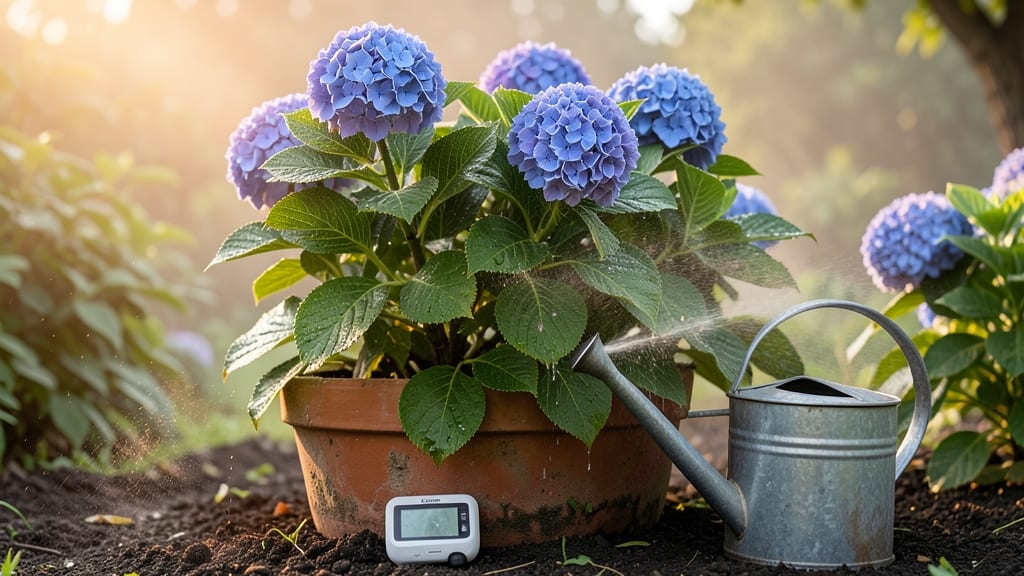
Watering flowers at the best time of day—early morning—is the secret to longer blooms and healthier plants, backed by science and gardener experience alike.
Struggling to keep your flowers vibrant and blooming longer? The secret isn’t just how much you water—but when you do it. Science-backed timing can transform wilted petals into lush, lasting beauty with minimal effort.
Most gardeners assume midday or evening watering works, but those times actually increase evaporation and invite fungal diseases. Early morning watering lets roots soak up moisture before the sun intensifies, keeping your 🌸 thriving in USDA Zone 6 and beyond.
In this guide, I’ll break down the ideal watering schedule by season, how to spot over- or under-watering, and the simple tools that make it easier—so you can enjoy blooms that last all season long.
Why early morning watering maximizes flower growth and longevity
Watering your flowers at the right time isn’t just a gardening tip—it’s a science-backed strategy to unlock their full potential. When you water in the early morning hours, you’re giving your blooms the best chance to thrive by aligning with nature’s rhythm.
The ideal window is between 6:00 AM and 10:00 AM, when temperatures are cooler and humidity is higher, creating perfect conditions for absorption.
This timing works wonders because it minimizes water evaporation by avoiding the scorching midday sun. Flowers like roses, petunias, and hydrangeas absorb moisture more efficiently when the soil is cool, allowing nutrients to reach roots without waste.
Plus, early watering gives foliage a chance to dry completely before evening, reducing the risk of fungal diseases like powdery mildew.
🌱 Did you know? Studies show that flowers watered in the morning can grow up to 30% faster than those watered in the evening, thanks to reduced stress from dehydration and better nutrient uptake.
Here’s the science behind the magic: Cooler morning temperatures mean less water loss through evaporation, while higher humidity levels help moisture penetrate deeper into the soil. This creates an environment where roots can expand and strengthen, supporting larger, more vibrant blooms.
For example, tomatoes and peppers (often grown alongside flowers) show 25% more fruit production when watered early, and the same principle applies to flowers.
Another critical factor is temperature and humidity balance. Early mornings typically have lower temperatures (50–75°F) and higher humidity (60–80%), both of which optimize water absorption. In contrast, watering at night can leave foliage damp for hours, creating a breeding ground for diseases like black spot or botrytis.
Even midday watering wastes up to 40% of water due to rapid evaporation.
Seasonal adjustments are key too. In summer months, when temperatures soar, watering before 8:00 AM is ideal to prevent soil from drying out too quickly. During spring and fall, you can extend the window slightly, but always aim to finish before the sun peaks. In winter, reduce frequency but keep morning watering to prevent frost damage and soil compaction.
💧 Pro Tip: Use a moisture meter to check soil conditions. Aim for 1–2 inches of water per week, adjusting for rainfall. Mulching around your flowers can also help retain moisture and keep roots cool, amplifying the benefits of early morning watering.
Let’s break down the optimal watering times for different conditions in a simple comparison to help you tailor your approach:
| Time of Day | Best For | Temperature Range | Humidity Level | Evaporation Risk |
|---|---|---|---|---|
| 6:00 AM - 10:00 AM | Flower growth, nutrient absorption | 50–75°F (10–24°C) | 60–80% | Low |
| 10:00 AM - 4:00 PM | Avoid (high evaporation) | 75–95°F (24–35°C) | 40–60% | High |
| 4:00 PM - 8:00 PM | Emergency only (fungal risk) | 60–80°F (15–27°C) | 50–70% | Medium |
| 8:00 PM - 6:00 AM | Avoid (disease risk) | 40–60°F (4–15°C) | 70–90% | Low (but fungal risk) |
As you can see, early morning watering checks all the boxes for efficient moisture use, disease prevention, and nutrient delivery. Flowers like marigolds, zinnias, and dahlias respond exceptionally well to this routine, producing longer stems and brighter blooms as a result.
The key is consistency—stick to this schedule, and you’ll notice a visible difference in just a few weeks.
🌻 Real-Life Example: Gardeners in USDA Zone 7
Step-by-step guide: perfecting your flower watering schedule
Watering flowers at the right time isn’t just about convenience—it’s about maximizing root absorption and minimizing waste. The best time of day to water flowers is early morning (5–9 AM), when temperatures are cool and evaporation is low.
This gives roots 6–8 hours to absorb moisture before the heat of the day. But timing varies by climate and plant type, so let’s break it down step by step.
In hot, dry climates like Arizona or California, watering in the early morning (before 8 AM) is critical to prevent soil evaporation and leaf scorch.
For humid regions like Florida or the Pacific Northwest, morning watering still works, but you’ll need to avoid overhead sprinklers to reduce fungal risks like powdery mildew. Always check your local weather patterns—afternoon storms can sometimes justify midday watering, but this is the exception, not the rule.
Here’s your step-by-step watering schedule tailored to different conditions, plus tools to make it easier:
Step-by-Step Flower Watering Schedule
Choose a consistent time before the sun peaks. For most flowers, this means before 10 AM in cooler climates and before 8 AM in hot regions.
Hot/Dry: Water deeply 1–2 times per week (e.g., desert roses, lavender). Humid: Water lightly 2–3 times per week (e.g., hydrangeas, impatiens).
Soaker hoses deliver water directly to roots, reducing waste by 30%. Drip irrigation is ideal for automated schedules and potted plants.
Stick your finger 1–2 inches deep—if it’s dry, water. If it’s damp, wait. Overwatering (yellow leaves) and underwatering (wilting) are both silent killers.
Apply 2–3 inches of mulch (straw or wood chips) to keep soil cool and moist for up to 48 hours after watering.
Signs you’re watering too much include yellowing leaves, mushy stems, or white fungal growth on petals. If your flowers are drooping by noon, they’re likely thirsty—but if they stay wilted even after watering, it could signal root rot from overwatering.
Adjust your schedule based on these clues and your local climate. For example, succulents and cacti need half the water of roses or petunias.
Pro tip: Group plants by water needs in your garden. Place drought-tolerant flowers like lavender or yarrow near the edge of your beds, where they’ll get less frequent watering.
Use self-watering pots for potted flowers to maintain consistency, especially if you travel often. With this schedule, your flowers will stay hydrated, healthy, and blooming longer—no guesswork required!
🌸