
Plants
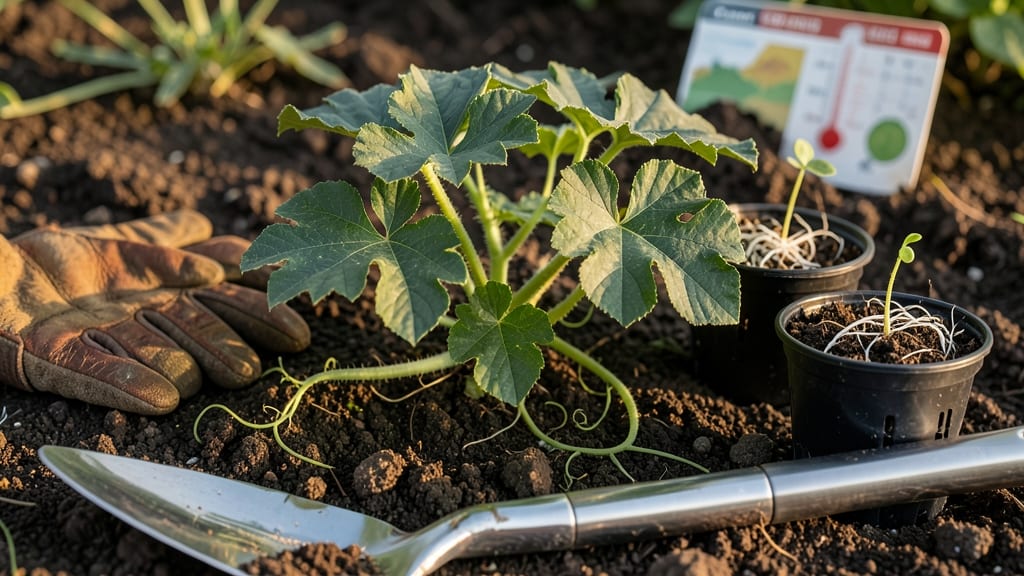
Planting watermelon at the best time ensures fast germination and a bountiful summer harvest 🍉 — but get it wrong, and you’re stuck with slow starts or no melons at all.
Watermelon seeds won’t germinate reliably in cold soil, so planting too early means wasted effort and missed harvests. But timing it perfectly can give you juicy, vine-ripened melons in just 70-90 days.
Soil temperature is the key: aim for 70°F (21°C) or higher, which usually aligns with late spring after the last frost. In colder climates, pre-sprouting seeds indoors or using row covers can shave weeks off the wait.
Below, I’ll break down the ideal planting windows by USDA zone, how to test soil readiness, and pro tips to jumpstart growth—so you can enjoy that first sweet slice without the guesswork.
Optimal soil temperature for planting watermelon seeds
Watermelon seeds are finicky about soil temperature. Unlike hardy crops, they refuse to germinate reliably below 70°F (21°C). The ideal range for planting is 70-90°F (21-32°C), where seeds sprout within 7-14 days.
This isn't just a rule—it's rooted in the biology of seed enzymes that activate only in warm soil.
Cold soil slows down metabolic processes, leaving seeds dormant or rotting before they sprout. Even if you plant in warm air temperatures, the soil might still be too cool. That's why I always check soil temperature before planting, not just the air temp on my weather app.
Here's the science: Watermelon seeds need consistent warmth to break dormancy. Below 60°F (15°C), germination drops below 50%. At 80°F (27°C), success rates jump to 90%. This explains why watermelons thrive in southern climates but struggle in northern regions with short growing seasons.
Testing your soil temperature is easier than you think. Use a soil thermometer (just $10 at garden centers) or bury a digital meat thermometer 2 inches deep for 24 hours.
Check it in the morning shade—that's when temps are most stable. I test for 3 consecutive days to account for daily fluctuations.
Frost risk complicates timing, especially in USDA Zones 3-7. A late frost can kill young seedlings, even if soil temps are perfect. That's why I wait until 2 weeks after the average last frost date in my area.
For example, in Zone 5, that might mean planting in late May or early June.
| Soil Temp Range | Germination Rate | Best Planting Time | Climate Zones |
|---|---|---|---|
| Below 60°F (15°C) | <50% | Avoid planting | Zones 3-5 (spring) |
| 60-69°F (15-20°C) | 50-70% | Pre-sprout seeds indoors | Zones 3-6 (early season) |
| 70-80°F (21-27°C) | 70-90% | Direct sow outdoors | Zones 7-11 (spring) |
| 80-90°F (27-32°C) | 90-95% | Best for all zones (summer) | Zones 3-11 (late season) |
| Above 90°F (32°C) | Slows growth | Use shade cloth | Desert regions (summer) |
In USDA Zone 10, where winters are mild, I plant watermelons in early March to take advantage of warm soil. But in Zone 4, I wait until mid-June to avoid frost. The key is matching your planting window to when soil temps naturally rise above 70°F (21°C).
Black plastic mulch can help warm soil faster. Lay it down 1-2 weeks before planting to raise soil temps by 5-10°F. I also use row covers in cooler climates to create a microclimate. These tricks let me plant 2-3 weeks earlier than the traditional timeline.
If your soil stays cold too long, try pre-sprouting seeds indoors. Plant them in biodegradable pots with seedling mix and keep them near a sunny window or under grow lights. Transplant when soil temps hit 70°F (21°C)—the young roots will establish faster in warm ground.
Remember: Watermelons are heat-loving annuals. They need 90-100 days of warm weather to mature. Planting too early in cold soil might give you small, bitter fruits or no harvest at all. Always prioritize soil temperature over calendar dates for the best results.
🌱
Regional planting timelines for watermelon success
Timing your watermelon planting to your USDA hardiness zone and frost-free dates determines whether you'll enjoy sweet, ripe melons or struggle with stunted plants. Since watermelons thrive in warm soil (70-90°F), planting too early in cooler zones risks poor germination.
The key is balancing your last frost date with soil warmth—here's how to nail it by region.
Northern gardeners in Zones 3-5 face the biggest challenges because their short growing seasons demand early starts. Meanwhile, Zones 9-11 can plant year-round with minimal frost risk. The solution? Use soil thermometers and adjust for early/late varieties—some mature in just 60 days, while others need 90.
📅 Calculate your frost-free date: Subtract your first frost date from your last frost date, then subtract the days to maturity of your variety. For example, a 75-day variety in Zone 6 (150 frost-free days) should plant by May 15 to harvest before frost.
For short-season zones (3-5), extend your growing window by planting transplants instead of seeds—you’ll gain 2-3 weeks. Wrap seedling pots in black plastic for 24 hours before planting to warm the roots.
In hot climates (Zones 9-11), avoid planting in peak summer (above 95°F) to prevent blossom drop.
Pro tip: Test your soil temperature every morning for 3 days before planting.
If it fluctuates between 65-70°F, wait 1-2 weeks. Early varieties like 'Tiny Tim' (58 days) are lifesavers for Zone 4 gardeners, while heirlooms like 'Moon and Stars' (90 days) reward patient Zone 8 growers with massive, flavorful fruits.
Remember: Watermelons hate cold feet. If your soil is below 70°F, seeds may rot in the ground. Use a soil warming trick—lay clear plastic over beds for 1-2 weeks before planting to raise temperatures naturally.
With the right timing, you’ll go from seed to slicing-ripe watermelon in just 70 days! 🍉