
Watering
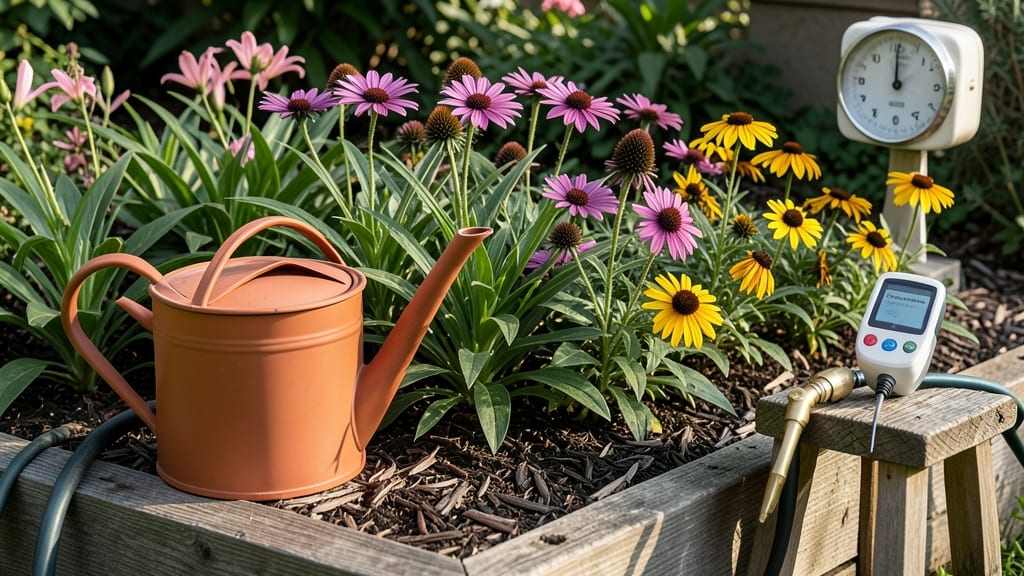
Watering flower beds at the right time is the secret to keeping your 🌸 blooms thriving all season long—morning or evening makes all the difference.
Struggling to keep your flower beds vibrant? The perfect watering time can mean the difference between lush blooms and wilted petals—here’s the science-backed answer.
Most gardeners swear by morning watering to avoid fungal diseases and evaporation, but late evening can work in cooler climates. I’ll break down the best approach for your zone, plus how to adjust for summer heatwaves and winter dormancy.
You’ll learn how to check soil moisture, spot overwatering signs, and even save time with smart watering tools—so your flower beds stay happy without the guesswork.
Morning watering vs evening watering: which wins for flower health?
Watering your flower beds at the right time isn’t just about convenience—it’s about plant health and water efficiency. Studies show that morning watering reduces evaporation by up to 30% compared to evening sessions.
But is it always the best choice? Let’s break down the science behind each method to help your blooms thrive.
Most gardeners swear by early morning watering (before 10 AM) because it gives roots time to absorb moisture before the heat of the day. However, evening watering has its place too—especially in hot, dry climates.
The key lies in understanding how temperature, humidity, and fungal risks play into your watering schedule.
For flower beds, morning watering is the gold standard because it aligns with natural root activity. When you water before 9 AM, your plants have the entire day to absorb moisture, reducing stress from midday heat.
This is especially critical for delicate blooms like roses or hydrangeas, which wilt quickly when dehydrated.
However, evening watering can work in humid climates where nights stay cool. The key is to finish watering at least 2-3 hours before sunset to prevent fungal diseases like powdery mildew.
If you live in a hot, dry region, evening watering might actually help cool the soil and reduce evaporation.
One common mistake is watering in the late afternoon (after 4 PM). This creates a double whammy: high evaporation rates and prolonged leaf wetness. I’ve seen tomato plants (not flowers, but the principle applies) develop blight from this habit.
Always aim for consistency—whether morning or evening—to avoid confusing your plants.
Pro tip: Use a soaker hose or drip irrigation for morning watering to deliver moisture directly to the roots. This method minimizes waste and ensures deep watering, which is crucial for established flower beds. For evening sessions, stick to light misting to avoid oversaturating the soil.
Regional climate matters too. In USDA Zone 6a (like much of the Midwest), morning watering is ideal year-round. But in arid zones (like Arizona), evening watering can be a lifesaver during summer heatwaves. Always adjust based on your local weather patterns and plant types.
To test your watering schedule, dig down 2-3 inches after watering. The soil should feel moist but not soggy. If it’s dry at this depth, you’re not watering deeply enough. If it’s waterlogged, you’re overdoing it—especially in clay-heavy soils, which drain poorly.
Remember: Watering time is just one piece of the puzzle. Pair it with mulching (2-3 inches of organic mulch) to retain moisture and reduce evaporation. This simple step can cut your watering needs by up to 30% while keeping your flower beds thriving.
Final verdict? Morning wins for most gardens, but flexibility is key. Experiment with your schedule and watch your blooms respond—healthier roots mean longer-lasting flowers! 🌸
How to water flower beds at the optimal time (step-by-step)
Watering your flower beds at the right time isn’t just about keeping them alive—it’s about maximizing their growth and minimizing waste. The best time to water flower beds is early morning, between 6 AM and 10 AM, when temperatures are cooler and evaporation is low.
This gives roots time to absorb moisture before the heat of the day. However, the method you use—whether it’s a soaker hose, sprinkler, or drip irrigation—can make all the difference in how efficiently your plants drink up the water.
If you’re unsure whether your flower beds are getting enough water, stick your finger about 1-2 inches into the soil. If it feels dry, it’s time to water. Overwatering is just as harmful as underwatering, so aim for deep, infrequent watering rather than light, daily sprinkles.
Now, let’s break down the exact steps to water your flower beds like a pro, ensuring your blooms stay vibrant and healthy all season long.
Step-by-Step Guide to Watering Flower Beds
-
Step 1: Choose the Right Time
Water between 6 AM and 10 AM to minimize evaporation and fungal risks. Avoid evening watering, as damp foliage overnight can lead to powdery mildew. -
Step 2: Select Your Watering Method
Use a soaker hose for deep, slow watering that reaches roots, or opt for drip irrigation to deliver water directly to the soil. Overhead sprinklers work but can waste water through evaporation. -
Step 3: Water Deeply and Infrequently
Aim for 1-1.5 inches of water per week, delivered in one long session rather than multiple short ones. This encourages deep root growth and drought resistance. -
Step 4: Mulch to Retain Moisture
Apply a 2-3 inch layer of mulch around your flower beds to reduce water loss. Organic mulches like shredded bark or straw also improve soil health over time. -
Step 5: Adjust for Seasonal Needs
In summer, water more frequently (every 2-3 days), while in winter, reduce to bi-weekly or less. Always check soil moisture before watering. -
Step 6: Monitor for Signs of Over/Underwatering
Yellowing leaves or wilted flowers may indicate underwatering, while mushy stems or fungal spots signal overwatering. Adjust your schedule accordingly.
Using a soaker hose or drip irrigation system is one of the most efficient ways to water flower beds, as it delivers water directly to the roots without wetting the foliage.
This reduces the risk of diseases like powdery mildew and ensures your plants get the hydration they need without waste. If you’re using a sprinkler, water in the early morning to allow foliage to dry quickly, further preventing fungal issues.
For containerized flower beds, water more frequently—typically every 2-3 days—since pots dry out faster than in-ground soil. Always check the moisture level before watering, as containers can overheat and lose moisture rapidly. Mulching around containers helps retain moisture and keeps roots cool during hot days.
One common mistake is watering based on a schedule rather than soil conditions. Instead of sticking to a rigid routine, test your soil regularly. If the top 1-2 inches are dry, it’s time to water.
This approach ensures your flower beds get just the right amount of moisture, promoting healthier growth and reducing water waste.
By following these steps, you’ll create an optimal watering routine tailored to your flower beds’ needs. Whether you’re dealing with annuals, perennials, or bulbs, consistent and thoughtful watering will keep your garden thriving all season long. 🌸