
Vegetables
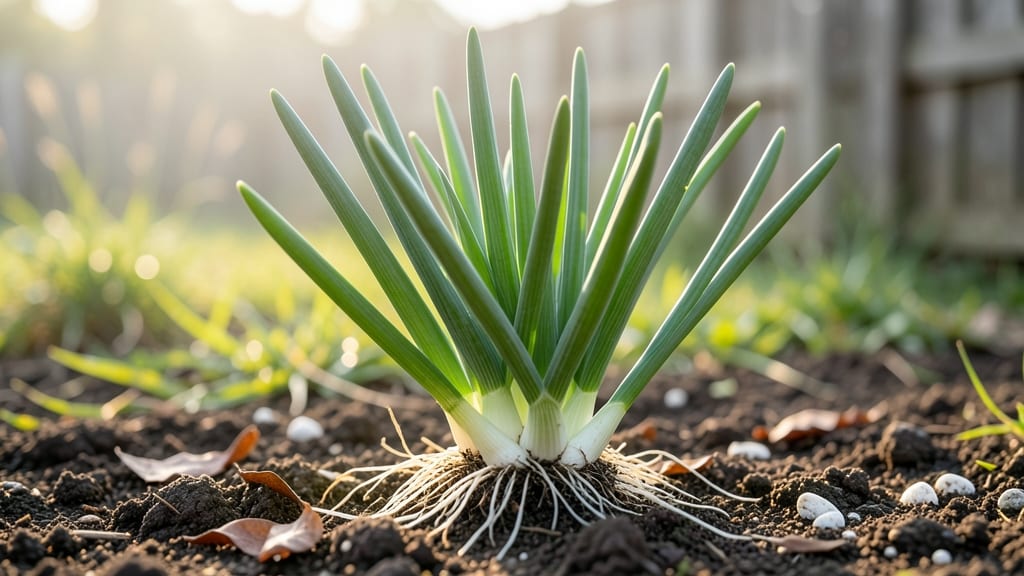
Green onions are indeed perennials, meaning they regrow from the same root system each year, though they typically die back to the ground when temperatures drop below 20°F (-6°C), only to resprout in spring with proper care.
This unique regrowth cycle makes them one of the most resilient vegetables for home gardeners. 🌱 The root system remains dormant during cold months but stays alive underground, ready to send up new shoots when conditions improve.
Unlike annuals that need replanting each season, green onions reward patience with continuous harvests—just trim what you need and let the plant keep growing.
What sets them apart is their adaptability: they thrive in both cool and warm climates, though they prefer milder winters. In colder regions, gardeners often use thick mulch or row covers to protect the roots, while warmer climates may see them grow year-round with minimal care.
This hardiness is why many chefs and home cooks keep a patch growing continuously for fresh, homegrown flavor.
💡 In This Article
- How Green Onions Survive Winter as Perennial Vegetables
- Year-Round Green Onion Cultivation Tips for Gardeners
How green onions survive winter as perennial vegetables
The secret to green onions' perennial nature lies in their specialized root system, which stores energy and nutrients underground. Unlike annuals that die completely after producing seed, green onions develop a thick, fleshy root that acts like a natural battery.
This root system can survive freezing temperatures down to 10°F (-12°C) for short periods, though prolonged exposure below 20°F (-6°C) triggers dormancy. The plant conserves energy by slowing metabolic processes, allowing it to "sleep" through winter while maintaining cell viability.
When spring arrives, the roots detect warmer soil temperatures (typically above 50°F/10°C) and trigger regrowth through a process called vernalization. New shoots emerge from the same root system, often within 2-3 weeks of consistent warmth.
This cycle explains why you can find green onions growing wild in many temperate regions—they've perfected this survival strategy over centuries. 🌱 The leaves you harvest are essentially the plant's way of storing energy above ground while the roots do the heavy lifting underground.
Climate plays a crucial role in this cycle. In USDA Zone 7 and warmer (where winters rarely drop below 15°F (-9°C)), green onions may grow year-round with minimal dieback. However, in colder zones (like Zone 4), they'll fully die back but still regrow from the same roots.
The key difference is that northern climates require more protection (like mulch) to prevent root damage. What's fascinating is how this root system can persist for 3-5 years with proper care, making it one of gardening's most efficient perennial vegetables.
Here's what happens biologically during dormancy: The plant converts stored starches into sugars that protect cell membranes from freezing damage. Special proteins called antifreeze proteins (similar to those in winter wheat) help prevent ice crystal formation in root tissues.
This is why you can sometimes find green onions sprouting through snow in early spring—the roots are already preparing for regrowth before the ground thaws completely. 💫
The regrowth process begins when root tips detect moisture and warmth. Within 7-10 days of consistent 60°F/15°C soil temperatures, you'll see the first pale green shoots emerge. These early sprouts are particularly tender and flavorful, often called "spring onions."
The plant's ability to regenerate from just a few inches of remaining root makes it incredibly resilient compared to other vegetables that must be replanted annually.
What most gardeners don't realize is that green onions actually benefit from this dieback cycle. The winter rest period allows the plant to rebuild its energy reserves, often resulting in more vigorous growth in subsequent seasons.
This is why many commercial green onion producers let their plants go dormant each year—they know the regrowth will be more productive than starting fresh plants annually. The trade-off is that you'll need to be patient, as full regrowth takes 4-6 weeks after the last frost in most climates.