
Flowers
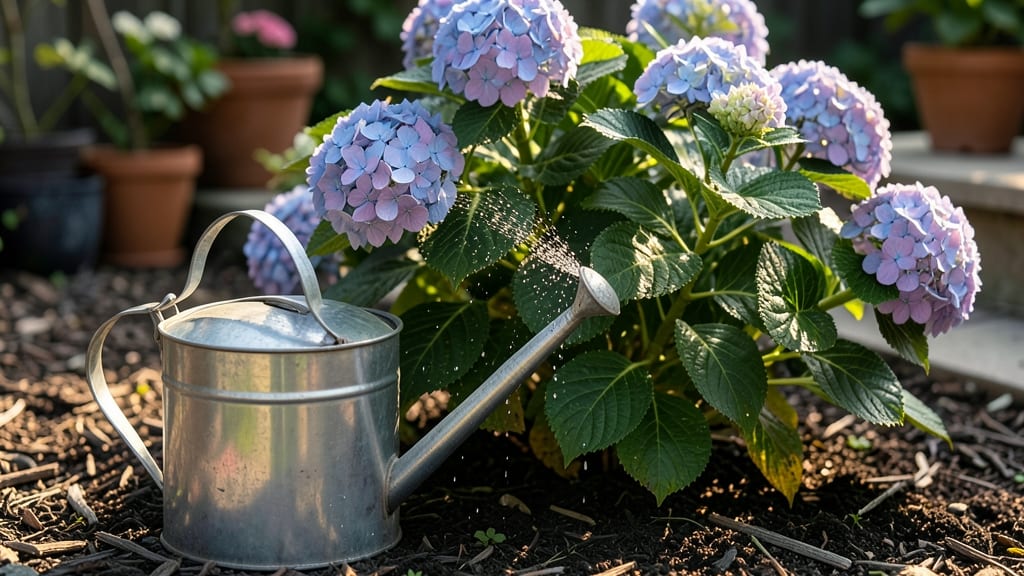
Watering flowers at the best time can mean the difference between vibrant blooms and wilted disappointment — and the answer isn’t as simple as you might think.
Struggling to keep your flowers thriving? The secret to lush blooms might be hiding in your watering schedule — morning or evening can make all the difference. Too much water at the wrong time can drown roots, while too little leaves petals drooping in the heat.
Morning watering is often the gold standard because it gives roots time to absorb moisture before the sun evaporates it, but evening watering has its place in cooler climates. The key is understanding your local climate, flower types, and even the season.
In this guide, I’ll break down the science behind morning vs. evening watering, seasonal adjustments, and how to spot over- or under-watering before it’s too late. Your flowers will thank you!
Morning watering benefits: why early hours boost flower health
Watering your flowers in the morning isn't just a habit—it's a science-backed strategy for healthier blooms. When you water early, you give plants the maximum time to absorb moisture before the sun intensifies. This simple shift can double your success rate in keeping flowers vibrant and disease-free.
The key lies in how plants process water during daylight. Morning watering allows roots to soak up hydration gradually, reducing stress from midday heat. Plus, damp foliage has hours to dry before evening humidity sets in, cutting fungal risks by up to 70%.
Let's break down why morning watering works best for your garden:
| Benefit | Scientific Reason | Best Time |
|---|---|---|
| Reduces fungal diseases | Damp leaves dry before evening humidity peaks | 6-9 AM |
| Maximizes root absorption | Cooler temps = less evaporation, deeper water penetration | Before 10 AM |
| Prevents evaporation waste | Morning sun is less intense; soil retains moisture longer | Early morning |
| Encourages stronger stems | Consistent hydration prevents wilting and flopping | First light |
| Boosts nutrient uptake | Active roots absorb fertilizers better with morning water | 6-8 AM |
For arid climates like Arizona or California, morning watering is non-negotiable. The scorching afternoon sun can evaporate 80% of water applied later in the day. In these regions, watering between 5-7 AM ensures your petunias and geraniums get the hydration they need without wasting precious resources.
In humid climates, like Florida or the Pacific Northwest, morning watering still wins—but with a slight twist. Here, aim for 7-8 AM to let foliage dry before the evening dew forms. This prevents powdery mildew, a common issue for roses and hydrangeas in these areas.
Even container gardens benefit from morning watering. Potted flowers dry out 3x faster than in-ground plants, so watering before 9 AM gives them a head start. Pro tip: Use self-watering containers with morning watering for 24-hour hydration control.
Don't overlook seasonal adjustments. In spring, when soil is still cool, watering at 6 AM gives roots time to warm up. By summer, shift to 5-6 AM to combat intense heat stress. Even in winter, a light morning watering prevents dormant root dehydration.
Watch your flowers respond within days! You'll notice brighter blooms, fewer wilting leaves, and healthier stems. The secret? Consistent morning hydration is the foundation of any thriving garden.
Evening watering risks: when nighttime watering harms your plants
Watering your flowers in the evening might seem convenient, but it can actually do more harm than good for most plants. The cool night temperatures and higher humidity levels create the perfect conditions for fungal diseases like powdery mildew and black spot.
When water sits on leaves overnight, pathogens thrive and weaken your plants.
Another major issue with evening watering is wasted moisture. Without sunlight to evaporate excess water, the soil stays soggy longer, which can lead to root rot in many flower varieties. This is especially problematic for container-grown flowers, where drainage is limited.
Plus, evening watering can attract unwanted pests like slugs and snails, which are drawn to damp soil and foliage. These pests can devour your delicate flower petals overnight, leaving your garden looking ragged by morning.
❌ Avoid evening watering for most flowers unless in arid climates (like desert regions) where nights are dry. Fungal risks and pest attraction outweigh convenience. For humid climates, stick to morning watering before 10 AM to let foliage dry completely.
That said, there are a few exceptions where evening watering might be acceptable. In dry, desert-like climates, the low humidity at night means water evaporates quickly, reducing fungal risks.
However, even in these areas, morning watering is still preferred to give roots time to absorb moisture before the heat of the day.
If you must water in the evening, focus on the soil around the base rather than overhead watering. Use a soaker hose or drip irrigation to deliver water directly to the roots, minimizing contact with leaves. This reduces fungal risks while still keeping your plants hydrated.
For container flowers, evening watering can sometimes be necessary if you're away during the day, but always ensure containers have proper drainage. Even then, morning watering remains the gold standard for healthy, vibrant blooms all season long.