
Flowers
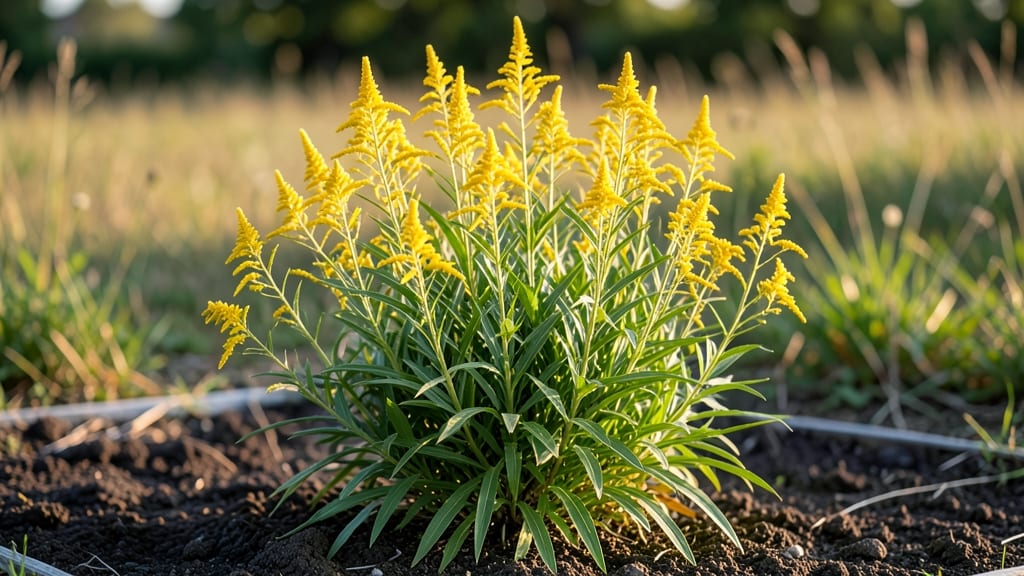
Yellow-flowered perennial grasses like Miscanthus sinensis 'Zebrinus' turn gardens into sun-drenched masterpieces with almost no effort. 🌿 I’ve watched these architectural wonders sway in late-summer breezes, their golden plumes catching every ray of light—creating drama where other plants would fade. The best part?
They thrive in poor soil, need minimal water, and keep their striking form year after year. These grasses reach heights of 4-6 feet, making them perfect for back borders or dramatic focal points.
Their golden blooms appear in late summer, lasting well into fall, while their striped foliage adds texture even in winter. Pair them with deep purple coneflowers or bold black Mondo grass for a high-contrast, low-maintenance statement. You’ll end up with a garden section that feels effortlessly polished—like a designer’s secret.
The movement of the grass adds life to still borders, while the golden flowers brighten shady spots where other perennials struggle. Even in my hot, dry zone 7b, they’ve never needed extra care. Works in cottage gardens, modern landscapes, or wild meadows.
Here’s how to place them for maximum impact—without the fuss.
📚 In This Guide
- What you need
- Instructions
- Tips and common mistakes
- Wrapping up and next steps
What you need
- ● Perennial grass with yellow flowers (e.g., Miscanthus sinensis 'Zebrinus', Panicum virgatum 'Northwind', or Cortaderia selloana): 1–3 plants (depending on desired coverage)
- ● Choose nursery-grown plants in 1–3 gallon pots for best results
- ● Well-draining soil: Native soil amended with compost (50% soil, 50% compost)
- ○ Optional: Perlite or sand (1 part) for sandy or clay-heavy soils
- ● Organic fertilizer: Balanced formula (10-10-10 or 5-5-5) or compost tea for a natural boost
- ● Apply at planting and again in early spring
- ● Watering can or hose with a gentle spray nozzle
- ● Garden trowel or shovel (for planting)
- ● Garden gloves (to protect your hands)
- ● Pruning shears (for shaping and deadheading)
- ● Measuring tape or ruler (to space plants 18–36 inches apart)
- ○ Mulch (optional but recommended): 2–3 inches of wood chips, straw, or pine bark to retain moisture
- ● Sunlight: Full sun (6+ hours of direct sunlight daily)
- ● Climate zone: USDA Zones 5–10 (check your local hardiness zone)
- ● Patience: Perennials may take 1–2 years to reach full bloom
- ● Drought tolerance: Once established, these grasses need minimal watering
How to plant and maintain perennial grasses with stunning yellow blooms
These sun-loving grasses thrive with minimal fuss—here’s the straightforward approach I’ve used to keep them vibrant for years.
🌱 Step 1: Choose the Right Grass Variety for Your Space
First, match your site conditions to the grass type. Northern sea oats and little bluestem handle full sun and dry soil beautifully, while miscanthus and switchgrass prefer slightly richer soil but still tolerate drought once established. Check your hardiness zone—most yellow-flowering perennials thrive in zones 4-9.
I always verify sunlight first: these grasses need 6+ hours of direct sun daily. If your spot gets afternoon shade, opt for maiden grass varieties like 'Zebrinus,' which tolerates partial shade better. The key is matching the plant’s natural habitat—most yellow-flowering grasses evolved in open, sunny prairies.
🪴 Step 2: Prepare the Planting Site for Optimal Growth
Clear the area of weeds and loosen soil to a depth of 12 inches—this prevents root restriction as the grass matures. Work in 2-3 inches of compost (if your soil is heavy clay) or 1 cup of 5-10-10 fertilizer per 10 sq ft for sandy soils. These grasses hate soggy roots, so amend clay soil with 1 part perlite to 3 parts soil to improve drainage.
I like to rake the area smooth after amending—no clumps, just fine, crumbly soil. The goal is to mimic their natural, well-draining prairie environment. For container growing, use a mix of 50% potting soil, 30% perlite, and 20% compost to replicate loose, airy conditions.
☀️ Step 3: Plant at the Correct Depth and Spacing
Dig holes twice as wide as the root ball but only as deep as the container height—planting too deep suffocates roots. Space clumping grasses like little bluestem 2-3 feet apart; spreading types like switchgrass need 3-4 feet. Remove the plant from its container, loosen the root ball, and place it so the top of the root ball sits ½ inch below soil level.
Backfill with native soil, firm gently, and water deeply until moisture reaches 6 inches down. You’ll see new growth within 2-3 weeks—that’s your confirmation the roots are settling. Mulch with 1 inch of shredded bark to retain moisture and suppress weeds, but keep mulch 2 inches away from the crown to prevent rot.
💧 Step 4: Water and Fertilize for First-Year Establishment
Water newly planted grasses once weekly for the first month, then taper to every 10-14 days once established. These grasses are drought-tolerant but need consistent moisture during their first growing season. You’ll know they’ve adapted when the foliage turns deep green and upright—no more wilting or yellowing.
Skip fertilizer the first year unless your soil test shows deficiencies. In spring of the second year, apply ½ cup of 10-10-10 fertilizer per 10 sq ft in early March. These grasses thrive on neglect—over-fertilizing leads to weak stems and fewer flowers. The goal is to encourage strong root growth, not lush foliage.
✂️ Step 5: Prune and Maintain for Year-Round Beauty
Cut back dead foliage in late winter or early spring (before new growth emerges) to 4-6 inches above ground level. This prevents disease and makes room for fresh spring shoots. I use clean, sharp pruners to avoid tearing stems—rough cuts invite pests. Leave the seed heads if you want to attract birds and enjoy winter interest.
Divide clumping grasses every 3-4 years in early spring by digging up the entire plant, separating the root ball into sections, and replanting. This rejuvenates the plant and keeps it from becoming too dense. Yellow-flowering grasses are low-maintenance, but this one step ensures they stay vigorous and continue producing those show-stopping blooms for decades.
Tips & tricks for perfect perennial grass with yellow blooms
These sun-loving grasses are easier to grow than you think—here’s how to maximize their beauty from day one.
Site Selection Savvy: Before planting, observe your space for at least 6 hours on a sunny day. Yellow-flowering grasses like little bluestem and switchgrass will wilt and struggle if they get less than their required sunlight. I always test potential spots by placing a white board where the grass will go—if it casts a shadow for more than 2 hours, reconsider your location. This simple test prevents years of disappointment with underperforming plants.
Soil Prep Secret: The 12-inch soil loosening in Step 2 is non-negotiable for root health, but here's the pro move: mix in 1 part sand to 3 parts soil if your native soil is dense. This creates the perfect airy prairie-like environment these grasses crave. For container growing, I swear by the 50-30-20 mix mentioned—it’s the only way to prevent root rot while maintaining moisture retention. The key is replicating their natural, well-draining habitat.
Planting Precision: When spacing your grasses in Step 3, remember that mature size matters. Miscanthus varieties can reach 6 feet tall, so give them at least 4 feet of clearance from structures and pathways. I always sketch a rough layout on graph paper first, using 1 square = 1 foot. This visual planning prevents overcrowding and makes the most of your garden’s vertical space while ensuring each plant gets proper airflow.
Watering Wisdom: The first-month weekly watering in Step 4 is crucial, but here's what nobody tells you: water in the early morning to prevent fungal diseases that thrive in damp foliage. I use a soaker hose for deep, slow watering that reaches those 6 inches down—it mimics natural rainfall patterns. After the first month, let the soil dry completely between waterings; these grasses are tough once established, but they need that initial moisture to take root.
Pro Tips for Perennial Grass With Yellow Flowers
- These sun-loving grasses are easier to grow than you think—here’s how to maximize their beauty from day one.
- Site Selection Savvy: Before planting, observe your space for at least 6 hours on a sunny day.
- Soil Prep Secret: The 12-inch soil loosening in Step 2 is non-negotiable for root health, but here's the pro move: mix in 1 part sand to 3 parts soil if your native soil is dense.
Frequently asked questions
Got questions about adding perennial grass with yellow flowers to your garden? You’re not alone! Here are some of the most common queries—and their easy answers—to help you get started with confidence.
What’s the easiest perennial grass with yellow flowers for beginners?
Start with Miscanthus sinensis ‘Zebrinus’ or Panicum virgatum ‘Northwind’. Both are hardy, drought-tolerant, and thrive in full sun with minimal fuss. Their golden plumes add instant drama with almost no upkeep!
When is the best time to plant these grasses?
Spring or early fall is ideal! Planting in spring gives roots time to establish before summer heat, while fall planting lets them settle before winter. Avoid extreme temperatures—think mild, moist soil for the best start.
Do yellow-flowering grasses need full sun, or can they handle shade?
Most thrive in full sun (6+ hours/day), but some like Carex oshimensis ‘Evergold’ tolerate partial shade. Check your grass’s label—shadier spots may dull their golden hues. For bold color, prioritize sunlit areas!
How do I keep pests and diseases away from my ornamental grasses?
Good news: These grasses are low-maintenance and pest-resistant! Still, watch for spider mites (spray with water) or fungal issues (improve airflow). Deadhead spent blooms in late winter to encourage fresh growth.
What’s a great alternative if I want yellow flowers but no grass?
Try Coreopsis (tickseed), Rudbeckia (black-eyed Susan), or Helenium (sneezeweed). These perennials offer cheerful yellow blooms, attract pollinators, and pair beautifully with grasses for texture contrast.
Wrapping up and next steps
Transforming your garden into a vibrant, low-maintenance haven is easier than ever with perennial grasses boasting stunning yellow blooms. These sun-loving plants bring effortless beauty, wildlife support, and seasonal charm—perfect for busy gardeners or nature enthusiasts.
Whether you’re a beginner or a seasoned gardener, adding these bold stunners will elevate your outdoor space with minimal fuss.
Ready to get started? Pick one (or two!) of these perennials and plant them this season—your future self (and pollinators!) will thank you. 🌻✨ Check out our step-by-step planting guide to dive in today!