
Watering
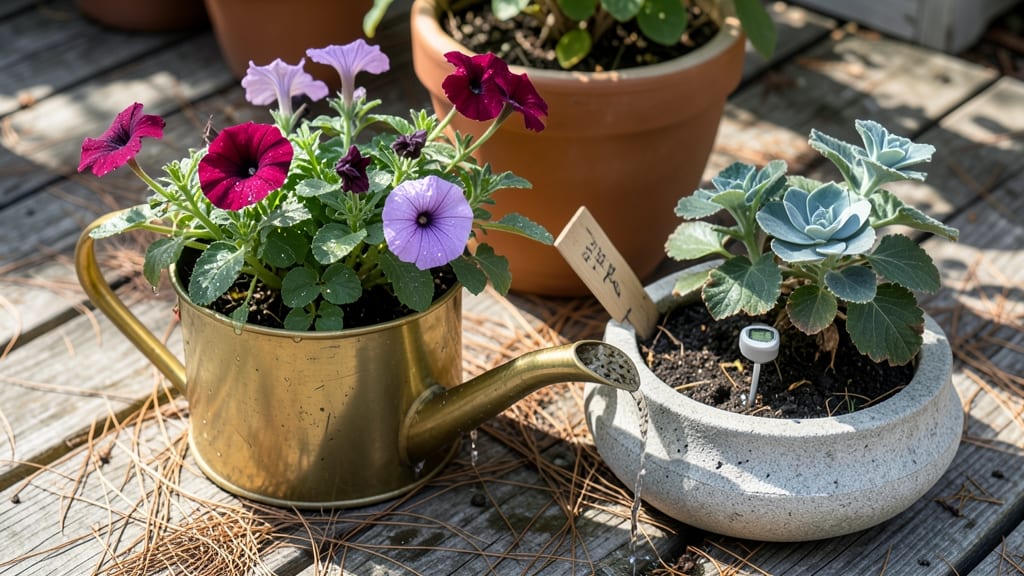
The 1-2 inch soil check method: exact watering frequency for summer potted plants
Summer heat turns potted plants into thirsty little survivors, but guessing when to water can mean the difference between lush foliage and sad, wilted leaves. The 1-2 inch soil check method is my go-to trick for nailing the perfect watering schedule—no more drowning your plants or letting them shrivel up.
This technique works for 90% of outdoor potted plants, from herbs to tropicals, and adapts to your local climate. The best part? It’s free, foolproof, and saves water too.
Here’s the science behind it: Most potted plants have roots concentrated in the top 1-2 inches of soil. When this layer dries out, it’s your cue to water. The method accounts for evaporation rates, pot size, and even plant type—no more overwatering because “it’s hot outside.”
Let’s break it down step by step, so you can water with confidence, not guesswork.
How to Test Soil Moisture: The 1-2 Inch Rule
- Step 1: Wait for the right time. Test soil in the late morning (after dew has evaporated) or early afternoon (before evening heat dries the surface).
- Step 2: Stick your finger in. Insert your index finger 1-2 inches deep into the soil. If it feels dry or slightly crumbly, it’s time to water.
- Step 3: Adjust for pot size. Small pots (under 6 inches): Check daily. Medium pots (6-12 inches): Test every 2-3 days. Large pots (12+ inches): Wait 3-5 days.
- Step 4: Water deeply. Soak the soil until water runs out the drainage holes. This encourages roots to grow deeper, making your plants more drought-resistant.
- Step 5: Repeat weekly. Most summer potted plants need watering every 2-3 days in small pots and every 3-5 days in large pots. Adjust based on your local heatwave alerts and humidity levels.
Pro Tip: Use a moisture meter for precision, especially if you’re new to gardening. They cost under $10 and take the guesswork out of soil testing.
Now, let’s talk plant types because not all potted plants are created equal. Succulents and cacti (like snake plants or jade) can go 3-5 days without water in summer, while tropical plants (like ferns or impatiens) may need watering every 1-2 days.
The 1-2 inch rule still applies, but your finger test will feel drier faster for thirsty plants. Pay attention to the soil texture: Sandy soil dries out quicker than rich, loamy mixes.
Your local climate plays a huge role too. If you’re in a hot, dry desert area, you might water every 4-5 days even for tropical plants. In humid coastal regions, the same plants could need daily watering.
Keep a watering journal for 2 weeks to track what works best for your setup. Note the temperature, wind conditions, and rainfall—these are your secret weapons for fine-tuning your schedule.
One common mistake? Watering based on a fixed schedule instead of the soil. I’ve seen gardeners water their pots every morning at 8 AM without checking—only to find their plants drowning or wilting by noon.
The 1-2 inch method is adaptive: It changes with the weather, your pot size, and even the phase of the moon (okay, maybe not the moon, but you get the idea).
For terracotta pots, which dry out faster than plastic, you’ll likely water 1-2 days more frequently than in ceramic or fabric pots. And if your plants are in full sun, they’ll need more water than those in partial shade.
Always check the underside of the pot for moisture clues—lift it up! If it’s lightweight, it’s time to water.
Let’s not forget mulch, your silent water-saving hero. A 1-inch layer of organic mulch (like straw or bark) on top of the soil slows evaporation, giving you 1-2 extra days between waterings.
It’s like giving your plants a desert shield against the summer sun. Plus, it keeps soil temperatures stable, which is a game-changer for heat-sensitive plants like caladiums or coleus.
Finally, trust your plant’s signals. If the leaves are slightly wilted in the heat but perk up after watering, you’re probably on track. But if they’re crispy or mushy, it’s a red flag.
Overwatering is just as deadly as underwatering—root rot can kill a plant in days. When in doubt, test the soil first before reaching for the hose.
Mastering the 1-2 inch soil check method will transform your summer potted plants from struggling survivors to thriving showstoppers. It’s all about observation, adaptation, and a little patience. Once you get the hang of it, you’ll wonder how you ever watered by the calendar. Happy gardening!
Factors that change your watering schedule (beyond the soil test)
Your outdoor potted plants might follow the 1-2 inch soil check rule, but summer’s extreme conditions demand more nuanced adjustments. The material of your pot—whether terracotta or plastic—drastically alters moisture retention. Terracotta wicks water away, requiring more frequent watering, while plastic traps moisture longer.
Even the species of your plants dictates their thirst: succulents like cacti need water every 2-3 weeks, while tropical ferns may need daily hydration in peak heat.
Sunlight exposure is another critical factor. Plants basking in full sun lose moisture 3x faster than those in partial shade. A south-facing pot may dry out by mid-morning, while a north-facing pot might hold moisture until afternoon.
Wind also plays a sneaky role—exposed locations can evaporate water 20% faster than sheltered spots. Adjust your schedule by observing these microclimates in your garden.
Here’s the game-changer: Your watering frequency isn’t one-size-fits-all. Below is a quick-reference table for common outdoor potted plants, tailored to summer conditions. Use it to fine-tune your routine based on plant type, pot size, and sun exposure—no guesswork required!
| Plant Type | Pot Size (Diameter) | Sun Exposure | Watering Interval (Summer) | Notes |
|---|---|---|---|---|
| Succulents (e.g., Aloe, Snake Plant) | 6-12 inches | Full Sun | Every 10-14 days | Terracotta pots dry faster; reduce to every 3 weeks in extreme heat. |
| Herbs (e.g., Basil, Mint) | 8-14 inches | Partial Sun | Every 2-3 days | Plastic pots retain moisture longer; check soil daily in heatwaves. |
| Tropicals (e.g., Ferns, Calatheas) | 10-16 inches | Partial Shade | Every 1-2 days | Use pebble trays to increase humidity; avoid soggy soil. |
| Vegetables (e.g., Tomatoes, Peppers) | 12-18 inches | Full Sun | Daily (morning) | Mulch to retain moisture; larger pots may need water every other day. |
| Flowers (e.g., Petunias, Geraniums) | 8-14 inches | Full Sun | Every 1-2 days | Group pots together to create a microclimate; deadhead regularly. |
Pro tip: Group pots by type to streamline your watering routine. Place succulents together and tropicals in a cluster—this helps you monitor and adjust based on shared needs.
For example, my basil and mint pots sit side by side on the patio, so I water them together every 2 days in summer. This saves time and ensures consistency.
Don’t forget to adjust for wind. If your pots are in an open area, increase watering frequency by 20-30% compared to sheltered spots. I’ve learned this the hard way—my lavender pots on the windward side of the deck dry out in half the time of those near the fence.
A quick fix? Move them to a leeward location or add a windbreak like a lattice screen.
Finally, trust your plants. If leaves feel limp but not crisp, it’s a sign of thirst—water immediately. If soil smells musty or leaves yellow, you’re overwatering. Summer’s unpredictability means your schedule will evolve, but