
Planting
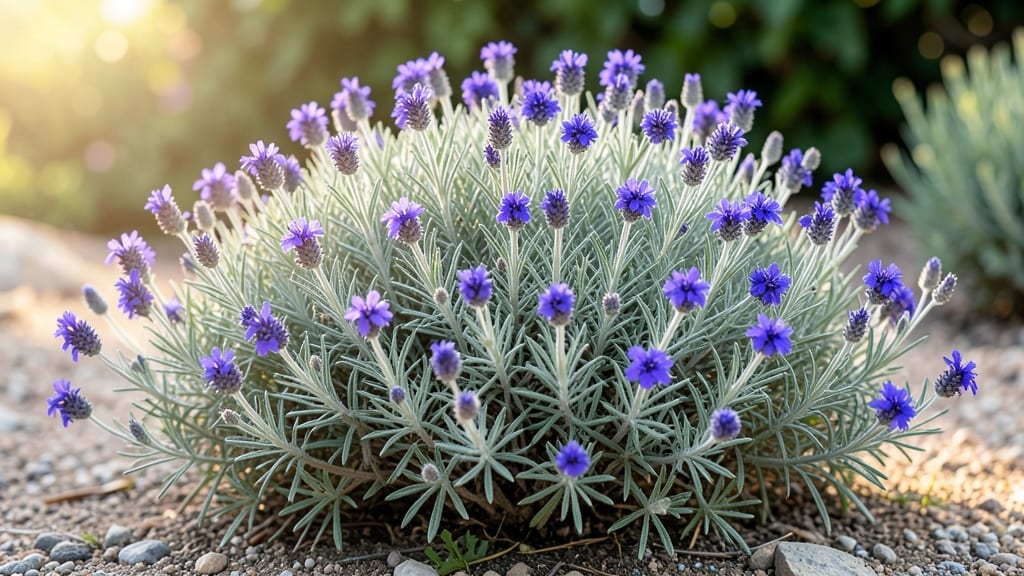
Growing blue lithodora means waking up to vibrant cobalt blooms that last from spring until summer’s end. 💙 I’ve watched this tough little perennial thrive in my Zone 5 garden—where most Mediterranean plants give up—by mimicking its natural rocky slopes at home.
The key isn’t complicated: well-draining soil, full sun, and a little winter protection. This plant isn’t fussy about soil as long as it drains like a sieve—think sandy loam mixed with grit.
Too much moisture, and its roots rot; too little water, and the flowers wilt faster than you can blink. Plant in spring or early fall when temperatures are mild, and space them 12-18 inches apart for that classic trailing, bushy look. Once established, blue lithodora practically grows itself.
Snip back leggy stems after blooming to encourage fresh growth, and mulch lightly in winter to shield roots from freeze-thaw cycles. The best part? It self-seeds—meaning you’ll get free plants for years to come.
Perfect for rock gardens, slopes, or even container edges—it’s the kind of plant that rewards patience with months of effortless color. Here’s how to keep yours thriving through every season.
📚 In This Guide
- What you need
- Instructions
- Tips and common mistakes
- Wrapping up and next steps
What you need
- ● Blue lithodora plants: 3–5 nursery-grown plants (ensure they’re labeled as Lithodora fruticosa or Lithodora diffusa for vibrant blue blooms).
- ● Well-draining soil: 5–10 bags (20 lbs each) of cactus/succulent mix or sandy loam (avoid heavy clay).
- ● Organic compost: 1–2 bags (10 lbs each) to enrich soil fertility.
- ● Garden gloves: 1 pair (nitrile-coated for durability).
- ● Hand trowel: 1 medium-sized (6–8 inches long).
- ● Watering can or hose with a gentle spray nozzle: 1 (for deep but controlled watering).
- ○ Mulch (optional but recommended): 5–10 lbs of gravel or pine bark to retain moisture and regulate temperature.
- ● Pruning shears: 1 pair (for shaping and deadheading spent blooms).
- ● pH test kit: 1 (to check soil acidity; ideal range: 6.0–7.5).
- ● Slow-release fertilizer: 1–2 lbs (e.g., 10-10-10 NPK for perennials).
- ○ Drip irrigation system: 1 (optional for automated watering in dry climates).
- ● Plant labels: 3–5 (to track varieties and planting dates).
How to plant and maintain blue lithodora for stunning year-round returns
This cold-hardy beauty thrives with minimal fuss—here’s how to establish it for decades of vibrant blue blooms.
🌱 Step 1: Choose the Perfect Planting Site
Blue lithodora (Lithodora diffusa) loves full sun to partial shade—at least 6 hours of direct light daily for best flowering. I always plant mine in well-draining soil because soggy roots cause root rot. Test your spot: dig a hole, fill it with water, and if it drains in under an hour, it’s ideal. For heavy clay soil, amend with 2-3 inches of coarse sand or grit mixed into the top 12 inches.
This plant’s native to rocky Mediterranean slopes, so it tolerates dry conditions once established. In hot climates, afternoon shade prevents leaf scorch. Watch for bright green leaves—a sign of healthy light exposure. If leaves yellow or stems stretch, move it to a sunnier spot immediately.
🪴 Step 2: Plant at the Right Depth and Spacing
Dig holes twice as wide as the root ball but no deeper—planting too deep suffocates the crown. For 4 plants, space them 18-24 inches apart in rows 24 inches apart to allow airflow. Gently tease out roots if they’re circling and place the plant so the top of the root ball sits just below soil level. Backfill with native soil mixed with 1 part compost to encourage root spread.
Press soil firmly around the base to eliminate air pockets, then water deeply until moisture reaches 6 inches down. Mulch with 2 inches of gravel or pebbles (this plant hates organic mulch—it rots too quickly). Lithodora’s shallow roots appreciate a dry mulch layer that mimics its natural habitat.
☀️ Step 3: Water Strategically for Long-Term Health
Water deeply once a week during the first growing season to establish roots, then taper to every 2-3 weeks once established. Overwatering is the #1 killer—this plant’s drought-tolerant once roots spread. Check moisture by sticking your finger 2 inches into soil; if dry, water until it’s damp but not soggy. In Zone 5-8, reduce watering in winter unless temperatures drop below 10°F—then give a light drink to prevent desiccation.
You’ll know you’re doing it right when new growth appears in early spring without wilting. If leaves curl or stems weaken, you’re overwatering. Lithodora’s blue flowers appear in late spring to early summer—this is your cue that roots have settled in and the plant is thriving.
✂️ Step 4: Prune and Maintain for Continuous Blooms
Deadhead spent flowers after blooming season (late summer) to encourage a second flush in fall. Use clean, sharp shears and cut back to just above a set of leaves. Avoid heavy pruning—this plant blooms on current season’s growth, so never trim more than 1/3 of the plant at once. In Zone 5, cut back to 4 inches tall in early spring to stimulate new growth before frost.
Fertilize once in early spring with a low-nitrogen, high-phosphorus formula (like 5-10-10) to promote blooms, not foliage. Too much nitrogen = leafy mess, no flowers. I skip fertilizer after the first year—lithodora’s shallow roots prefer lean soil. Watch for pale leaves or leggy stems—a sign of over-fertilizing.
⏰ Step 5: Protect and Prepare for Winter
Blue lithodora is hardy to Zone 5, but young plants need winter protection. After the first hard frost, apply 2-3 inches of shredded bark mulch around the base (remove in spring). In Zone 5, wrap containers in burlap or move potted plants to a sheltered, unheated garage where temps stay above 20°F. Never let soil freeze solid—this kills roots.
Spring is the true test: healthy plants emerge with vibrant green foliage by late April. If you see brown, mushy stems, you had too much winter moisture. Lithodora’s resilience shows in how it recovers—even if it looks dormant, roots stay alive underground. By May, you’ll see new shoots signaling it’s ready to bloom again.
Tips & tricks for perfect blue lithodora planting
Took me years to figure out why some blue lithodora thrived while others struggled—here’s what I learned the hard way.
Light Exposure: That 6 hours of direct light isn’t just a suggestion—it’s non-negotiable for vibrant blooms. I planted mine in partial shade once and spent two years waiting for flowers to appear. The bright green leaves you see in Step 1? That’s your quality check. If leaves turn yellow or stems stretch toward light, you’ve got a sun-starved plant. In hot climates, afternoon shade helps prevent leaf scorch, but morning sun is essential.
Soil Drainage: The drainage test in Step 1 is your best friend. I ruined two plants before realizing my soil wasn’t draining fast enough. If water pools after an hour, mix in 2-3 inches of coarse sand or grit into the top 12 inches of soil. Lithodora’s roots can’t handle soggy conditions—think Mediterranean rock gardens, not bogs. A dry mulch layer of gravel mimics its natural habitat perfectly.
Winter Protection: The 20°F threshold in Zone 5 is critical—don’t let soil freeze solid. I lost a container plant when I ignored this and woke up to frozen roots. For potted plants, move them to a sheltered garage where temps stay above 20°F. In-ground plants need 2-3 inches of shredded bark mulch after the first frost. The brown, mushy stems you might see in spring? That’s winter moisture damage, not cold injury.
Pruning Strategy: Never trim more than 1/3 of the plant at once—this rule saved my second blooming season. Lithodora blooms on current season’s growth, so aggressive pruning means fewer flowers. In Zone 5, cut back to 4 inches tall in early spring before frost to stimulate fresh growth. The pale leaves or leggy stems you might notice? That’s over-fertilizing, not a sign to prune harder.
Pro Tips for Blue Lithodora Perennial Plant
- Took me years to figure out why some blue lithodora thrived while others struggled—here’s what I learned the hard way.
- Light Exposure: That 6 hours of direct light isn’t just a suggestion—it’s non-negotiable for vibrant blooms.
- Soil Drainage: The drainage test in Step 1 is your best friend.
Frequently asked questions
How cold-hardy is blue lithodora, and can it survive winter?
Blue lithodora (Lithodora diffusa) is a USDA Zone 5-9 perennial, meaning it can handle light frosts down to about 15°F (-9°C). In colder zones, mulch heavily with 3-4 inches of organic matter (like straw or shredded leaves) to protect roots. If you’re in Zone 4 or below, grow it in containers and overwinter indoors—it’ll bounce back like a champ!
When is the best time to plant blue lithodora?
Plant in early spring or early fall for the best results. Spring gives roots time to establish before summer heat, while fall planting lets them settle in before winter dormancy. Avoid planting in mid-summer heat, as the shock can stress young plants. Pro tip: Water deeply after planting to reduce transplant shock!
Why isn’t my blue lithodora blooming?
No flowers? Don’t panic! Blue lithodora needs full sun (6+ hours/day)—if it’s shaded, it may skip blooming. Also, ensure it’s in well-draining soil. Over-fertilizing (especially with high nitrogen) can also stunt flowers. Try deadheading spent blooms to encourage more flowers. If it’s still sluggish, it might need a spring pruning to refresh growth.
Are blue lithodora plants prone to pests or diseases?
These tough perennials are pest-resistant, but watch for aphids or spider mites in dry conditions. Treat with neem oil or a strong spray of water. Root rot is the main disease risk—ensure soil drains well to prevent soggy roots. If leaves yellow, it’s often overwatering. Keep soil moist but not soggy, and you’ll avoid most issues!
What are some great companion plants for blue lithodora?
Pair it with lavender, catmint, or Russian sage for a drought-tolerant, pollinator-friendly combo. It also loves rosemary, thyme, or ornamental grasses for texture contrast. Avoid heavy feeders like hostas, which compete for nutrients. For a low-maintenance border, try sedum or ice plant nearby!
Wrapping up and next steps
Adding blue lithodora to your garden is a fantastic way to enjoy year-after-year color with minimal fuss! This cold-hardy perennial thrives in rocky soils, spreads effortlessly, and rewards you with vibrant blooms from spring to summer.
Whether you’re a seasoned gardener or just starting, its resilience and beauty make it a must-have for any landscape.
Ready to transform your space? Start by selecting the perfect spot—whether it’s a sunny slope, a rock garden, or a container—and plant your lithodora this season. Watch it flourish and return stronger every year! 🌸