
Featured
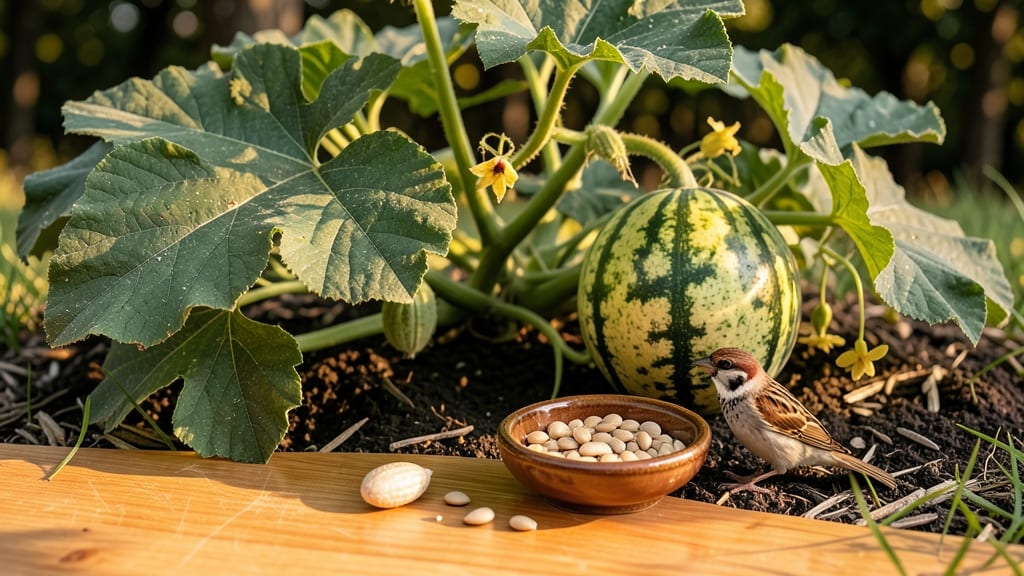
Birds can eat watermelon seeds in moderation, as they are non-toxic and provide fiber, but avoid feeding large quantities or hard outer shells, which may pose choking risks for small birds like finches or canaries.
Watermelon seeds offer birds a nutritional boost with magnesium, zinc, and healthy fats, but their hard shells can be dangerous for tiny birds. 🐦 The key is preparation—crush shells lightly and limit portions to avoid digestive upset.
I've seen parakeets enjoy them as a treat, but always monitor their reaction, especially when introducing new foods.
For pet owners, the safest approach is to offer seeds occasionally rather than as a staple. Smaller birds need even smaller pieces—think pea-sized portions—while larger birds can handle slightly bigger bits.
If you notice labored breathing or vomiting after feeding, remove seeds immediately and consult an avian vet. The fiber content helps digestion, but moderation is everything.
💡 In This Article
- Nutritional Value of Watermelon Seeds for Birds
- Safe Ways to Feed Watermelon Seeds to Pet Birds
Nutritional value of watermelon seeds for birds
Watermelon seeds pack a surprising nutritional punch for birds, offering essential minerals like magnesium (about 156mg per 100g) and zinc (around 3.5mg per 100g) that support muscle function and immune health.
The seeds also contain healthy unsaturated fats (approximately 45% of their dry weight), which provide sustained energy—similar to how sunflower seeds fuel wild birds during migration. 🌱 However, these benefits come with caveats: the outer shells contain oxalates, compounds that can bind calcium in a bird's digestive system and potentially contribute to kidney stones if consumed in excess.
The fiber content (around 1.5g per 100g) aids digestion, but the hard shells pose a physical challenge. For small birds like finches (weighing just 10-15g), even a single whole seed could be 10% of their body weight—a dangerous proportion.
Larger birds like parrots can handle slightly bigger pieces, but their beaks still need to crush the shells effectively. The key nutritional trade-off is balancing these benefits against the physical risks, especially for species with delicate digestive systems.
Birds metabolize these nutrients differently than mammals. For example, a budgerigar (common pet parakeet) would process 5-6 crushed seeds per day as a treat, while a cockatiel could handle 10-12 seeds due to its larger size.
The fat content helps maintain feather quality, but overfeeding can lead to obesity—a growing concern in captive birds. 🐦 The natural diet of many wild birds includes seeds, but they consume them whole and in their natural state, without the concentrated risks of processed or prepared seeds.
Another critical factor is the seed-to-shell ratio. Watermelon seeds have a 1:3 ratio of edible seed to inedible shell by weight—meaning birds must expend significant energy to access the nutrients. In the wild, birds like doves crack seeds using their strong beaks, but domestic birds often lack this ability.
This is why hand-crushing seeds (with a mortar and pestle) is the safest preparation method for pet owners.
The mineral content varies slightly based on watermelon variety. Seedless watermelons (which contain no viable seeds) obviously eliminate this risk entirely, but their nutritional profile differs. For bird owners, organic watermelon seeds tend to have lower pesticide residues, making them a safer choice.
Always source seeds from pesticide-free produce when possible, as chemical exposure can be more harmful than the seeds themselves.
Consider this comparison: a 1-gram portion of watermelon seeds provides roughly 10% of a budgerigar's daily magnesium needs, but only 2% of its zinc requirement. This shows how seeds should complement—not replace—a balanced diet of pellets, fresh fruits, and vegetables.
The real value lies in their occasional use as a supplement rather than a dietary staple. 🌿