
Plants
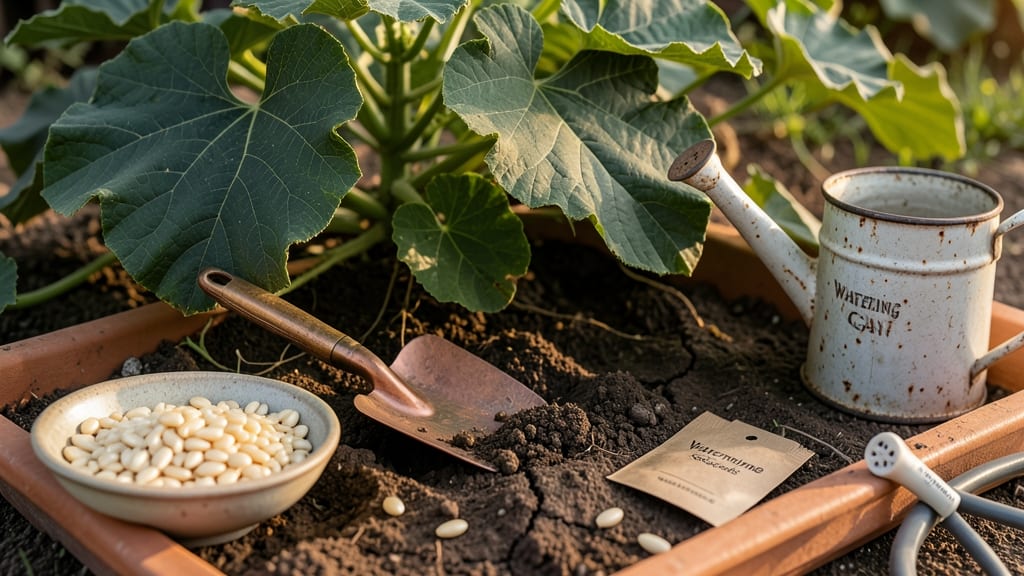
You can plant watermelon seeds straight from the fruit, but first rinse them well to remove all pulp and soak for 24 hours to boost germination rates. Always select firm, healthy seeds from organic watermelons for the best chance of success.
Watermelon seeds from store-bought fruit work perfectly fine, but the key lies in proper preparation. 🌱 The pulp contains natural sugars that can attract mold or pests, while soaking helps soften the seed coat for faster sprouting.
I've found that seeds from heirloom or organic watermelons often germinate more reliably than those from conventional varieties, thanks to their stronger genetic vigor.
For best results, plant seeds in well-draining soil when temperatures consistently stay above 70°F. Watermelons thrive in full sun and need plenty of space—3-4 feet apart for vining varieties. The secret to success isn't just the seeds themselves, but creating the right growing conditions from the very start.
💡 In This Article
- Watermelon Seed Germination Science and Conditions
- Step-by-Step Guide to Planting Watermelon Seeds from Store-Bought Fruit
Watermelon seed germination science and conditions
Watermelon seeds contain a hard outer shell called the testa that regulates water absorption.
When you plant them straight from the fruit, the residual pulp creates a sticky barrier that slows moisture penetration—this is why seeds from store-bought melons often take 7-14 days longer to sprout compared to cleaned, pre-treated seeds.
The pulp's natural sugars also attract fungal growth, which can rot seeds before germination. Organic seeds tend to perform better because conventional farming practices sometimes use seed treatments that inhibit natural germination rhythms.
Temperature is the single most critical factor for watermelon seed success. These tropical plants require soil temperatures between 70-95°F to activate their metabolic processes. Below 60°F, seeds enter dormancy, while above 95°F, they risk overheating and desiccating.
The ideal germination window occurs when daytime air temperatures consistently reach 80°F—this triggers the seed's internal enzymes to break down stored nutrients. Moisture requirements are equally precise: soil should remain consistently damp (not soggy) at a depth of 1-2 inches during the germination period.
Light exposure plays a surprising role in early development. While mature watermelon plants need 6-8 hours of full sun daily, newly sprouted seedlings actually prefer indirect light for their first 10-14 days. Direct sunlight can stress tender cotyledons (seed leaves) by causing excessive transpiration.
This is why many gardeners use shade cloth or grow seedlings indoors under fluorescent lights before transplanting. The plant's natural photoperiodism means it won't flower until it receives 12+ hours of daylight, which is why northern climates often require artificial light supplementation.
Seed age significantly impacts viability. Fresh seeds from this year's harvest typically show 85-95% germination rates, while seeds older than 2 years drop to 40-60%. The seed's internal water content decreases over time, causing the embryo to shrink.
This is why seeds from last year's watermelon might take 2-3 weeks to sprout instead of the usual 5-7 days. The genetic makeup also matters—hybrid varieties often germinate faster but may produce less vigorous vines compared to heirloom types, which have stronger disease resistance.
One often overlooked factor is soil pH. Watermelons prefer slightly acidic to neutral soil with a pH range of 6.0-7.0. Below 5.5, aluminum toxicity becomes an issue, while above 7.5, calcium deficiency can stunt root development. The plant's nutrient uptake system becomes less efficient outside this range.
Organic matter content is equally important—soils with 3-5% organic material provide the ideal balance of moisture retention and drainage that watermelon roots crave. This is why gardeners often amend heavy clay soils with compost before planting.
Here's what actually happens during germination: The seed absorbs water through microscopic pores in the testa, swelling until internal pressure forces the radicle (root) to emerge.
Within 24-48 hours of proper soaking, the seed's metabolic rate increases by 500% as enzymes break down starches into sugars that fuel the seedling's growth.
This rapid energy conversion is why consistent moisture is critical—drying out the seed during this phase can kill the embryo before it breaks through the soil surface. 🌱