
Watering
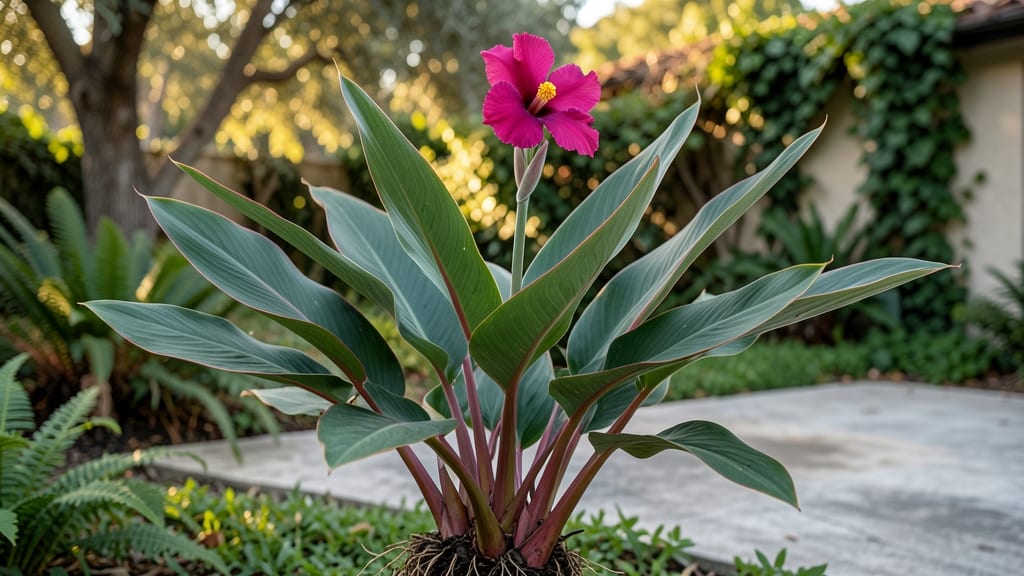
Canna lilies can grow in water using hydroponic or semi-hydroponic systems, where their roots thrive by absorbing nutrients directly from liquid solutions like aquarium water or specialized hydroponic mixes, though they need stable conditions and regular aeration to stay healthy.
This works because canna lilies naturally adapt to waterlogged conditions in their native habitats, making them surprisingly resilient in hydroponic setups. 🌿 Their fibrous roots develop specialized air channels called aerenchyma, which help them breathe even when submerged.
I've found that using a nutrient-rich water solution—like diluted fish emulsion or a balanced hydroponic formula—keeps them thriving year-round, though they still need bright, indirect light to prevent leggy growth. The key is maintaining clean water and preventing stagnation, which can lead to root rot or fungal issues.
For beginners, starting with a simple semi-hydroponic setup—like a bucket with a small pump for aeration—is the easiest way to test their adaptability. Just remember: while they can survive in water, they won't bloom as prolifically as soil-grown plants unless you provide consistent care and the right growing conditions.
The trade-off is often worth it for the unique, tropical look they add to indoor water gardens!
💡 In This Article
- How Canna Lily Roots Adapt to Hydroponic Environments
- Setting Up a Successful Canna Lily Water Garden
How canna lily roots adapt to hydroponic environments
Canna lilies develop remarkable biological adaptations when grown in water, primarily through their root systems. Their fibrous roots evolve specialized structures called aerenchyma—air-filled channels that improve oxygen transport to submerged tissues. This adaptation mirrors how aquatic plants like water lilies survive in oxygen-poor environments.
The roots also increase in surface area by 20-30% compared to soil-grown plants, enhancing nutrient absorption efficiency in liquid media. 🌊
The oxygen requirements are critical—roots need at least 5-8 ppm (parts per million) dissolved oxygen to prevent suffocation. Without proper aeration, roots turn black within 3-5 days due to anaerobic conditions. This is why air stones or small pumps become essential in hydroponic setups.
Interestingly, canna roots also secrete mucilage—a slimy substance that helps trap nutrients and protect against pathogens in water environments.
Nutrient uptake works differently in water than in soil. While soil provides a slow-release reservoir, water-based systems require daily monitoring of pH (5.8-6.5) and nutrient levels.
Canna lilies absorb nitrogen, phosphorus, and potassium more efficiently when these are dissolved in water, but they also need micronutrients like magnesium and iron. The trade-off is that without proper circulation, nutrients can become depleted faster than in soil, requiring more frequent replenishment.
Comparing water-grown to soil-grown cannas reveals some surprising differences. Water-grown plants often develop longer, thinner leaves due to the lack of soil support, but their stems remain equally sturdy.
The roots also grow faster in water—sometimes doubling in length within 4-6 weeks—though the plant may produce fewer blooms unless given optimal light. This is because energy shifts from reproduction to root expansion in the water environment. 💫
One fascinating adaptation is their ability to switch between aerobic and anaerobic respiration. When oxygen is scarce, canna roots can temporarily rely on fermentation, though this isn't sustainable long-term.
This flexibility explains why they can briefly survive in stagnant water, but it also means they're more vulnerable to permanent damage if conditions aren't stabilized quickly.
The most critical factor remains oxygen availability. Even with perfect nutrient levels, roots will suffocate without proper aeration. This is why semi-hydroponic setups—where only the roots are submerged—often work better for beginners. The plant gets the benefits of water without the risks of complete submersion. 🌱