
Advice
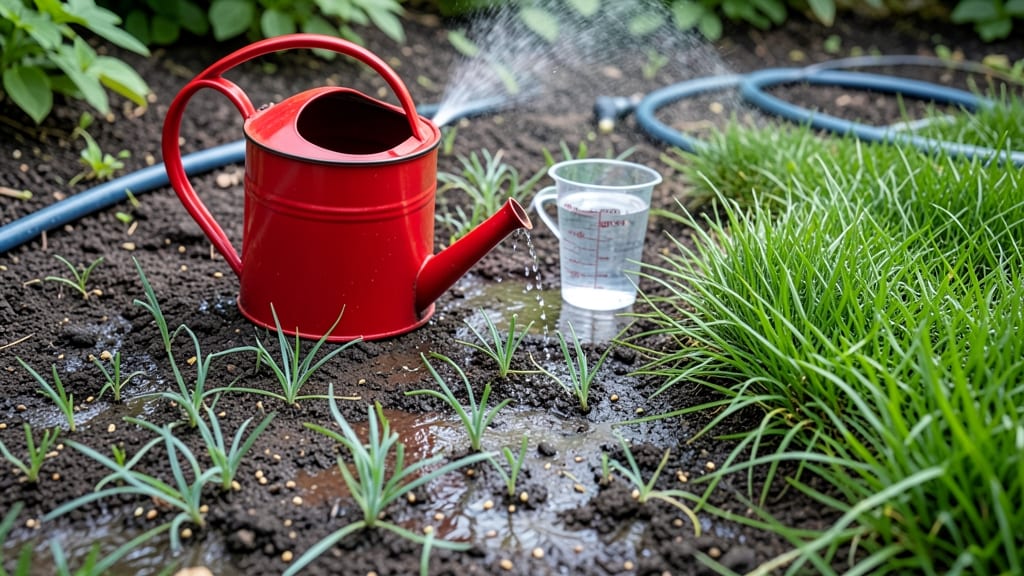
Grass seed can absolutely be overwatered, which suffocates new roots, triggers seed rot, and washes away essential soil nutrients—all of which kill germination before it starts. Maintain even moisture without letting soil stay soggy until sprouts appear, then taper back gradually.
Overwatering creates a double-edged sword for grass seed: too much water cuts off oxygen to delicate roots while promoting fungal growth like Pythium, which looks like fuzzy white mold. 🌱 The real danger is that soggy soil leaches away nutrients just when seeds need them most—think of it like drowning a plant before it even gets its first breath.
I’ve seen entire lawns fail this way after heavy rain or overzealous watering schedules.
Here’s the fix: water lightly but frequently—about ¼ inch per day—using a gentle spray nozzle to mimic natural rain. Check soil moisture by touching it; if the top inch feels damp but not wet, you’re golden.
For hot days, water early morning to reduce evaporation, and always avoid puddles. Once sprouts appear (usually in 7-14 days), cut back to 1 inch per week to let roots strengthen.
💡 In This Article
- How Overwatering Damages Grass Seed Germination
- Proper Watering Schedule for New Grass Seed
How overwatering damages grass seed germination
The real danger of overwatering lies in how it disrupts the delicate balance grass seeds need to sprout. When soil stays too wet, oxygen levels plummet—roots suffocate because they can't absorb the air they need to grow.
Think of it like trying to breathe through a wet towel: the seeds simply can't get enough oxygen to activate their enzymes and begin germination. 🌱 This is why even a few days of soggy soil can kill seeds before they ever break through the surface.
Fungal infections like Pythium thrive in these conditions, creating that telltale fuzzy white mold you might spot. These fungi attack the seed's outer coating and young roots, essentially rotting them from the inside out. The worst part?
You might not see the damage until it's too late—seeds that looked healthy can turn mushy and disappear underground. Even worse, the mold can spread to surrounding soil, creating a hostile environment for any new seeds you plant later.
Nutrient loss is another silent killer. Water washes away vital minerals like nitrogen and phosphorus that seeds need to develop strong roots. Imagine pouring a glass of water over fertilizer—it dissolves instantly. That's exactly what happens in overwatered soil, leaving seeds starved just when they need nutrients most.
This is why lawns planted after heavy rain often struggle: the soil becomes a nutrient desert overnight.
Visual cues can help you spot overwatering early. Look for dark, waterlogged patches that stay wet for hours, or seeds that float on the surface instead of settling into the soil. Discolored soil—especially grayish or blackened areas—is another red flag.
Even worse, you might see seeds that sprouted but then wilted into a limp, yellowish mess. These are all signs the roots have drowned in their own moisture. 💧
Temperature plays a surprising role too. Cold, wet soil slows down microbial activity that helps break down organic matter—meaning seeds get stuck waiting for nutrients to become available. In warmer conditions, overwatering accelerates fungal growth by creating the perfect humid environment.
That's why spring planting often requires more careful watering than summer: cooler temps mask some of the damage until it's too late to fix.
What most people don't realize is that even well-drained soil can become problematic if watered at the wrong times. Morning watering is ideal because it gives soil time to dry slightly during the day, while evening water keeps moisture trapped overnight—perfect conditions for fungal spores.
The key is maintaining that consistently moist (not wet) environment where seeds can access water without drowning.