
Planting
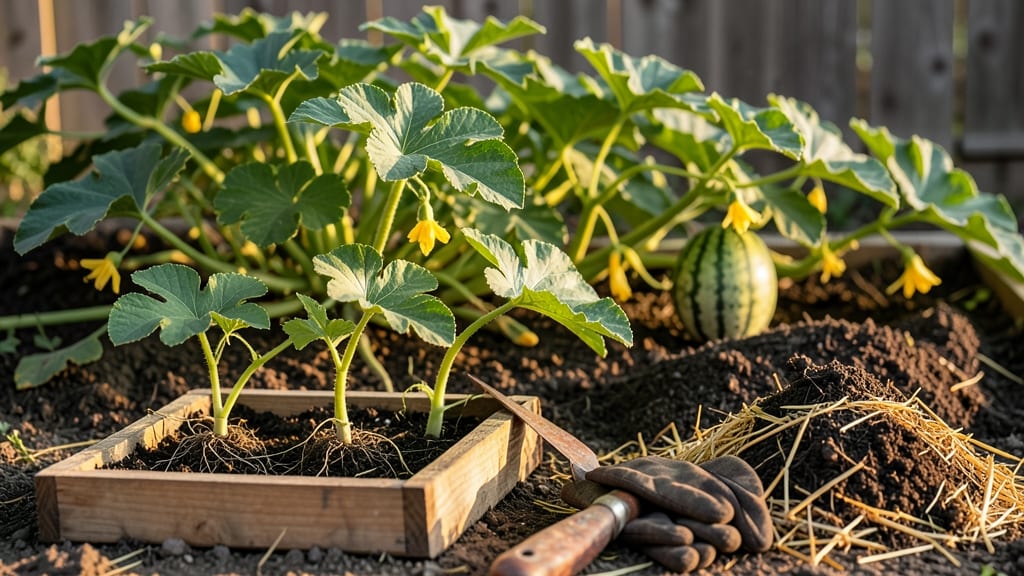
Planting watermelons in July can still yield sweet, ripe fruit if you time it right and adjust your care routine.
July heat might seem like the last place to start a watermelon garden, but with the right techniques, you can still grow juicy, vine-ripened fruit before summer ends—and even harvest in time for fall feasts.
In warmer zones like 6a, where the last frost typically passes by April 15, July planting is possible if you choose fast-maturing varieties and prioritize soil warmth. The key is to focus on fast growth and protect young plants from extreme heat stress.
Below, I’ll walk you through the best varieties for late-season planting, soil prep tips, and care strategies to ensure your 🍉 thrives even when the calendar says it’s too late.
How to successfully plant watermelons in July for fast growth
July might feel like the last month to plant watermelons, but with the right approach, you can still grow sweet, ripe fruit before summer fades. The key is choosing fast-maturing varieties, preparing soil properly, and providing consistent care to combat late-season heat stress.
Watermelons thrive when planted in warm soil, and July offers the perfect opportunity if you act quickly and strategically.
Watermelons need soil temperatures of at least 70°F (21°C) to germinate and grow well. July often delivers these conditions, but you’ll need to protect young plants from extreme heat and ensure they get enough water.
By selecting heat-tolerant varieties and using mulch, you can maximize your chances of a successful harvest before fall arrives.
Here’s your step-by-step guide to planting watermelons in July for a fast, productive crop:
Step-by-Step Guide to Planting Watermelons in July
Choose Fast-Maturing Varieties
Pick 60-75 day varieties like Sugar Baby or Crimson Sweet. These thrive in short growing seasons and can produce fruit before cooler weather sets in.
Prepare Warm Soil
Test soil temperature with a soil thermometer. It should be at least 70°F (21°C). If cooler, use black plastic mulch for 1-2 weeks to warm it up.
Direct Sow Seeds
Plant seeds 1 inch deep and 6 inches apart in hills spaced 3-4 feet apart. This gives vines room to spread and reduces competition for nutrients.
Use Mulch for Heat Protection
Apply 2-3 inches of straw or black plastic mulch to retain moisture and regulate soil temperature. This helps prevent bolting and keeps roots cool.
Water Deeply and Consistently
Water early in the morning to reduce evaporation. Aim for 1-2 inches of water per week, focusing on the soil around the vines, not the leaves.
Provide Light Shade
Use shade cloth (30-50%) during the hottest part of the day to protect young plants. Remove it as vines mature to ensure full sun exposure for fruit development.
One common mistake gardeners make in July is assuming watermelons can’t thrive in the heat. In reality, they love warm weather, but they need consistent moisture and protection from extreme conditions.
By planting fast varieties and using mulch, you’ll give your plants the best chance to grow quickly and produce fruit before fall.
Start by selecting a sunny, well-draining spot with at least 6-8 hours of sunlight daily. Watermelons are heavy feeders, so enrich the soil with compost or aged manure before planting. This ensures your plants have the nutrients they need to grow strong and produce sweet fruit.
If you’re worried about poor germination in July’s heat, try soaking seeds overnight before planting. This can speed up the process and give your seedlings a head start. Once planted, keep the soil moist but not soggy—watermelons are drought-tolerant once established, but young plants need consistent water.
Another tip: Avoid over-fertilizing with nitrogen, as this can lead to leafy growth at the expense of fruit. Instead, use a balanced fertilizer (10-10-10) sparingly to encourage flowering and fruit development. Apply it lightly when vines start to spread, then again when flowers appear.
With these strategies, you can enjoy homegrown watermelons by late August or early September—just in time for summer’s end. The key is acting fast, preparing your soil, and giving your plants the care they need to thrive in the heat.
Don’t let July’s heat deter you—with the right approach, you can still grow a bountiful watermelon harvest before the season ends. 🍉
Best watermelon varieties for late-season planting in July
When planting watermelons in July, your best bet is choosing fast-maturing varieties that thrive in short growing seasons. The heat and limited time before fall mean you need types that produce fruit in 60-75 days—no slow growers here!
Look for heat-tolerant varieties that can handle the summer sun while still delivering sweet, juicy results.
I’ve grown several varieties late in the season, and these three stand out for their speed and reliability: Sugar Baby, Crimson Sweet, and Bush Champion.
Each has unique traits that make them perfect for July plantings, whether you’re working with limited space or intense heat. Let’s break down what makes them ideal.
Sugar Baby is my top pick for July plantings because it matures in just 60-70 days, giving you a head start on harvests. These small, sweet melons thrive in containers or small gardens and love climbing a trellis to save space. Their compact vines also make them easier to manage in hot weather.
If you prefer larger melons, Crimson Sweet delivers classic flavor in 75-85 days. This variety handles heat well but requires more space—plant them 3-4 feet apart to give vines room to sprawl.
For urban gardens or limited yards, I recommend using a sprawling trellis to control vine growth and improve air circulation.
Bush Champion is a game-changer for small spaces. Its compact growth habit means no sprawling vines—just neat, manageable plants that produce 8-12 lb melons in 70-75 days. This variety is perfect for balconies or raised beds, and it thrives in July’s heat without needing extra support. Just space them 2-3 feet apart for best results.
For all three varieties, direct sowing in July works best—avoid transplants, which struggle to establish roots in the heat. Use black plastic mulch to warm the soil faster and retain moisture, then water deeply every morning to keep roots cool.
With the right variety and care, you’ll be slicing into homegrown watermelons by early fall! 🍉