
Watering
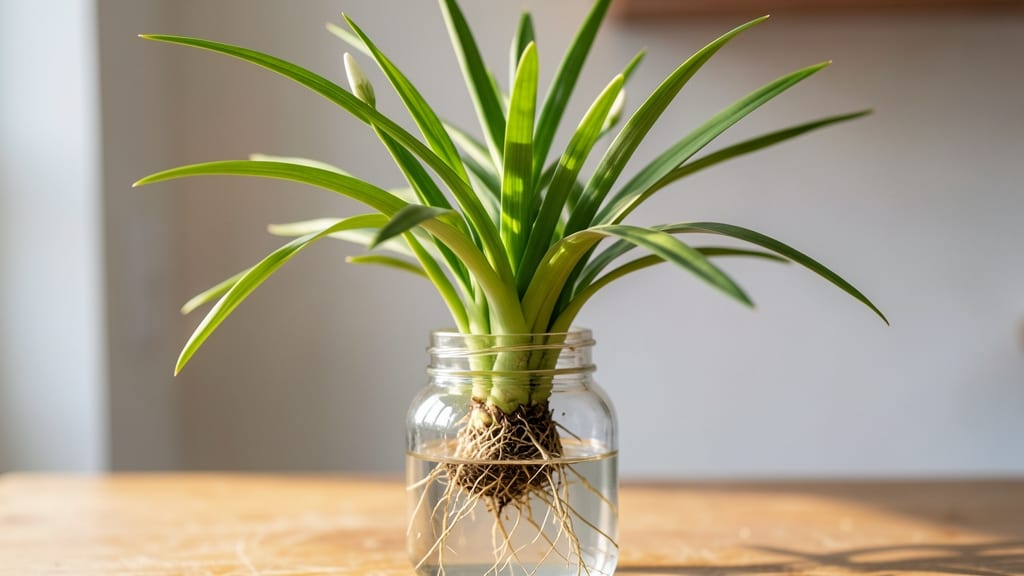
Yes, lemongrass can grow in water through hydroponics, thriving when submerged in 2-3 inches of nutrient-rich water with indirect sunlight. Change water weekly and use a balanced hydroponic solution for best results, though it may grow slower than in soil.
This method works because lemongrass stems naturally absorb water through their nodes, which develop roots when submerged. 🌱 The key is maintaining clean, oxygenated water—stagnant water can lead to root rot, while proper lighting ensures strong growth.
I've found that using a small pebble base in the container helps roots stay aerated, and adding a splash of citrus peel to the water can even enhance flavor development over time.
While hydroponic lemongrass grows slower than its soil-grown counterparts, it's an excellent option for small spaces or urban gardens. The trade-off is worth it for those who want fresh lemongrass without maintaining a soil garden.
Just remember: patience is key—roots may take 2-3 weeks to establish properly before you see noticeable new growth.
💡 In This Article
- Hydroponic Lemongrass Growth Science and Root Development
- Step-by-Step Hydroponic Lemongrass Care Guide
Hydroponic lemongrass growth science and root development
Lemongrass thrives in water because its stems contain specialized nodes that naturally develop adventitious roots when submerged—similar to how sweet potatoes grow roots from their nodes. These roots absorb water and nutrients directly through osmosis, bypassing the need for soil microorganisms.
The key difference from soil growth is that hydroponic roots grow more densely along the submerged stem section, creating a fibrous network that maximizes surface area for nutrient uptake.
Oxygen absorption becomes critical in water cultivation since roots can't access atmospheric oxygen like they would in soil. This is why many growers use a layer of small pebbles or hydroton at the bottom of the container—it creates air pockets that allow roots to breathe while staying hydrated.
The ideal water temperature for root development is 70-78°F, as cooler water slows metabolic processes while warmer water can stress the roots. pH levels between 5.5–6.5 are optimal because lemongrass prefers slightly acidic conditions, which enhances nutrient solubility.
Nutrient uptake works differently in water because lemongrass relies entirely on dissolved minerals rather than soil microbes breaking down organic matter. A balanced hydroponic solution containing nitrogen, phosphorus, and potassium (NPK ratio of 10-10-10) supports healthy growth, but too much fertilizer can burn delicate roots.
I've noticed that hydroponic lemongrass often develops slightly thinner stems compared to soil-grown plants, but the flavor remains just as intense due to concentrated essential oils in the leaves.
Light quality matters more in water cultivation than in soil because there's no protective ground cover. Lemongrass needs 6-8 hours of indirect sunlight daily or a grow light positioned 6-12 inches above the container to prevent etiolation (stretched, weak growth).
The plant's natural phototropism means it will lean toward light sources, so rotating the container weekly ensures even growth. In my experiments, hydroponic lemongrass exposed to full sun developed a deeper green color but required more frequent water changes to prevent algae growth in the container.
Root development follows a predictable pattern: within 7-10 days, you'll see tiny white root hairs emerge from the nodes, followed by thicker roots after 2-3 weeks.
These roots grow most rapidly during the plant's active growth phase (spring and summer), which is why many growers harvest hydroponic lemongrass more frequently than soil-grown plants.
The trade-off is that water-grown lemongrass typically reaches 50-60% of soil-grown height within the same timeframe, but the flavor remains comparable when properly cared for.
One surprising adaptation is how hydroponic lemongrass develops a more extensive root system when stressed—like during water changes or slight nutrient fluctuations. This makes the plant surprisingly resilient once established, though the initial 2-week establishment period is critical.
The roots' ability to absorb nutrients directly from water means you can experiment with organic additives like fish emulsion or compost tea to boost growth, though synthetic hydroponic solutions provide more consistent results.