
Advice
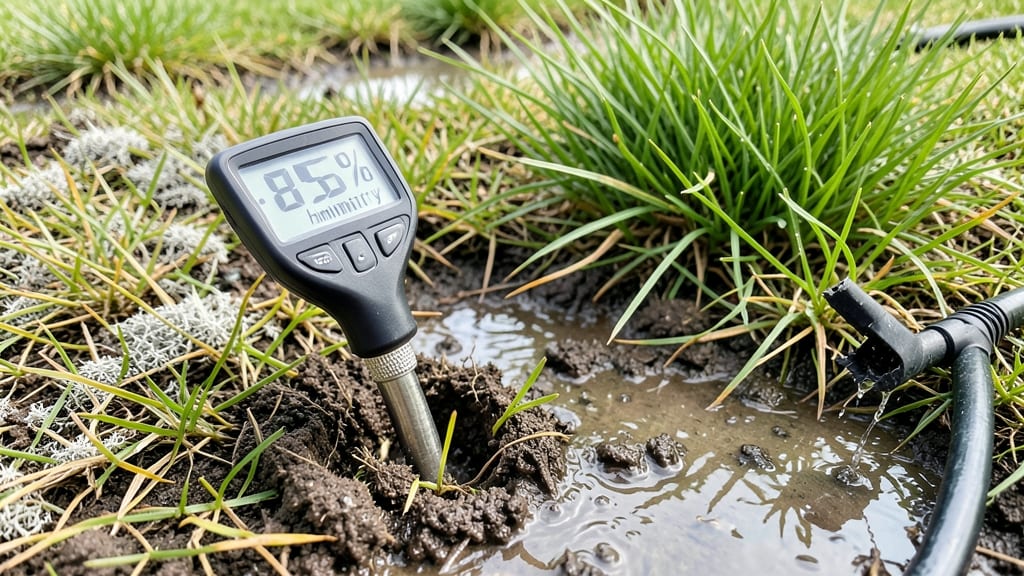
Overwatered grass often recovers when you catch the problem early, but severe cases can leave dead patches. Cut back on watering immediately, fix drainage issues, and aerate the soil to help roots breathe and regain strength.
When grass gets too much water, roots suffocate from lack of oxygen and nutrients wash away, leaving your lawn weak and yellow. 🌱 The good news?
Most grass can bounce back if you act fast—within a few days of reducing water, you'll often see greener blades as roots start to recover. I've seen lawns go from soggy and limp to vibrant again in just 1-2 weeks when proper drainage is restored.
For stubborn patches, consider overseeding or replacing dead areas completely.
Don't wait until your lawn looks like a swamp—check soil moisture by sticking your finger 2-3 inches deep.
If it feels damp, hold off on watering. 💧 The key is balance: grass needs moisture, but too much creates the perfect breeding ground for fungus and robs roots of the air they need to thrive.
Think of it like breathing—roots need space to expand, not a waterlogged environment that smothers them.
💡 In This Article
- How Overwatering Damages Grass Roots and Soil
- Step-by-Step Recovery Plan for Overwatered Lawns
How overwatering damages grass roots and soil
When grass gets drenched for days on end, the real damage happens below the surface. Roots need oxygen to breathe—just like us—but water fills soil pores, creating an anaerobic environment where roots suffocate.
At 100% soil saturation, oxygen levels can drop to 0.5% or less, compared to the 10-20% ideal range for healthy root growth. This oxygen deprivation forces roots to switch to fermentation for energy, producing toxic byproducts that weaken the plant over time.
Excess moisture also triggers fungal growth like Rhizoctonia and Fusarium, which thrive in soggy conditions. These pathogens attack root tips, creating brown, mushy patches that spread rapidly. 🌱 The fungus Pythium is particularly aggressive, forming waterlogged "blight" zones where grass turns to mush within days.
Even worse, water washes away essential nutrients like nitrogen and potassium—studies show 30-50% loss of these nutrients through leaching during heavy rains or overwatering.
The physical structure of soil suffers too. Clay soils become compacted like concrete when overwatered, crushing root hairs that absorb moisture and nutrients. Sandy soils, while better-draining, can develop perched water tables where water pools just below the surface, creating a suffocating layer.
This is why lawns in containers or raised beds often recover faster—they drain more efficiently, preventing this underground suffocation.
What most people don't realize is how quickly this damage compounds. Within 48-72 hours of constant saturation, grass roots begin to die back, and blades turn yellow from nutrient starvation.
The crown (where roots meet the stem) is especially vulnerable—it's the grass plant's lifeline, and once damaged, recovery becomes much harder. Even drought-resistant grasses like Bermuda or Zoysia can't survive prolonged waterlogging.
Here's the science behind the recovery window: Grass roots can survive 3-5 days of waterlogging before permanent damage occurs, but most lawns show visible stress after just 24-48 hours. The good news?
Roots are resilient—they'll start regrowing once oxygen returns, but the longer the waterlogging, the more dead patches you'll need to replace. Think of it like holding your breath underwater—you can recover if you surface quickly, but the longer you wait, the harder it gets.
One visual clue to check: healthy grass roots should be white or pale tan, while waterlogged roots turn grayish-brown and mushy to the touch. If you dig up a small patch and see this, it's your first warning sign that recovery requires immediate action.
The faster you restore proper drainage, the better your lawn's chances of bouncing back.