
Plants
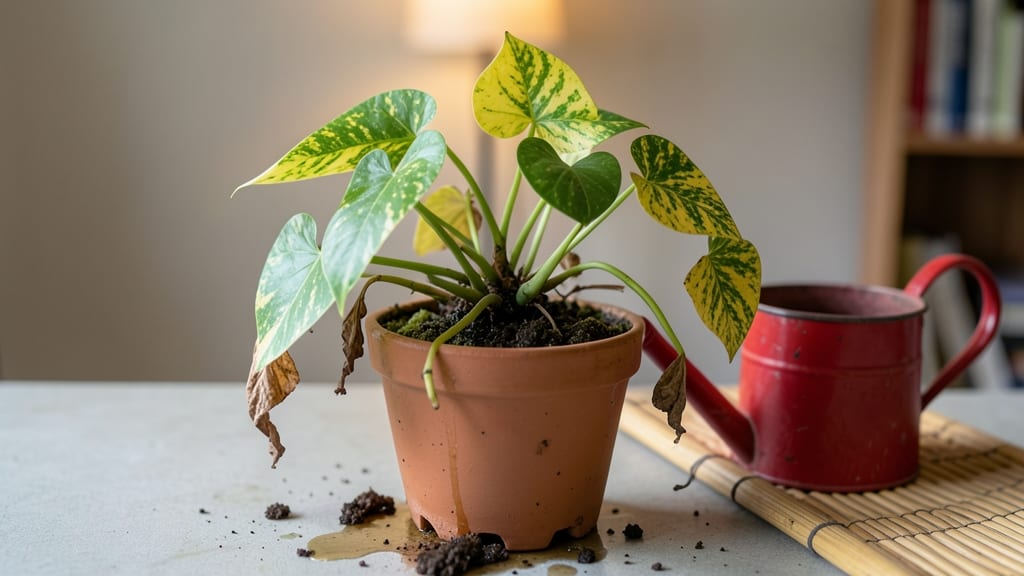
Overwatered plants can recover if you act quickly, but once root rot or fungal infections set in, the damage may be permanent. Start by trimming any dead leaves, then repot in fresh, well-draining soil while adjusting your watering schedule to let roots dry between sessions. Keep an eye out for new growth or firmer stems as signs of recovery.
When plants drown, their roots suffocate from lack of oxygen, creating the perfect breeding ground for harmful fungi. 💧 The good news? Many plants can bounce back if you catch the problem early—within a few days of wilting or yellowing leaves.
I’ve seen ferns and peace lilies stage dramatic comebacks after repotting in a mix of potting soil and perlite, which helps prevent future waterlogging. The key is patience: recovery might take weeks, but consistent care often brings those leaves back to life.
For outdoor plants, check soil moisture with your finger before watering—if the top inch feels damp, wait another day. Container plants need extra attention since they dry out faster, but even they can recover if you adjust your routine.
Remember, every plant has its own resilience level, so don’t give up too soon!
💡 In This Article
- How Root Rot and Overwatering Damage Plants
- Step-by-Step Guide to Reviving Overwatered Plants
How root rot and overwatering damage plants
Overwatering creates a suffocating environment for roots by displacing oxygen in the soil. When soil stays saturated for more than 48 hours, beneficial aerobic microbes die off and anaerobic bacteria take over, producing toxic byproducts like ethanol and hydrogen sulfide.
These compounds poison root cells, causing them to break down faster than they can repair themselves. The damage starts at the root tips, where new growth occurs, and spreads inward like a slow-motion infection.
Fungal pathogens like Phytophthora and Pythium thrive in waterlogged conditions, forming a white, cottony growth on roots that blocks nutrient uptake.
You might notice a foul, sour smell from the soil—this is a sign of bacterial rot setting in. 🌱 The most vulnerable plants are those with delicate root systems like ferns, calatheas, or newly transplanted seedlings, which can show wilting within 24-72 hours of overwatering.
Even drought-tolerant succulents can develop mushy stems if their roots sit in soggy soil for more than a week.
Early symptoms often appear above ground before roots are critically damaged. Look for yellowing leaves that start at the bottom (a classic sign of nutrient starvation) or stems that feel hollow when squeezed.
The soil may pull away from the pot edges, creating an air gap—a visual clue that roots have lost structural integrity. What most gardeners miss is the 3-5 day window between initial wilting and permanent damage, where prompt action can still save the plant.
Root cells begin dying when oxygen levels drop below 5% saturation—normal soil maintains 15-25% oxygen. Without oxygen, roots can't produce energy through respiration, leading to cellular collapse. The worst-case scenario is when roots turn black and mushy, emitting a rotten egg odor from hydrogen sulfide buildup.
At this stage, even repotting won't help because the root system has essentially drowned.
Interestingly, some plants like water lilies or bog plants have evolved to handle waterlogged conditions, but most common garden varieties haven't. The key difference lies in their root structure: aquatic plants have aerenchyma tissue that acts like built-in snorkels, while typical houseplants lack this adaptation.
This is why your peace lily might recover from a single overwatering incident, but a delicate orchid could die from just one week of soggy roots.