
Plants
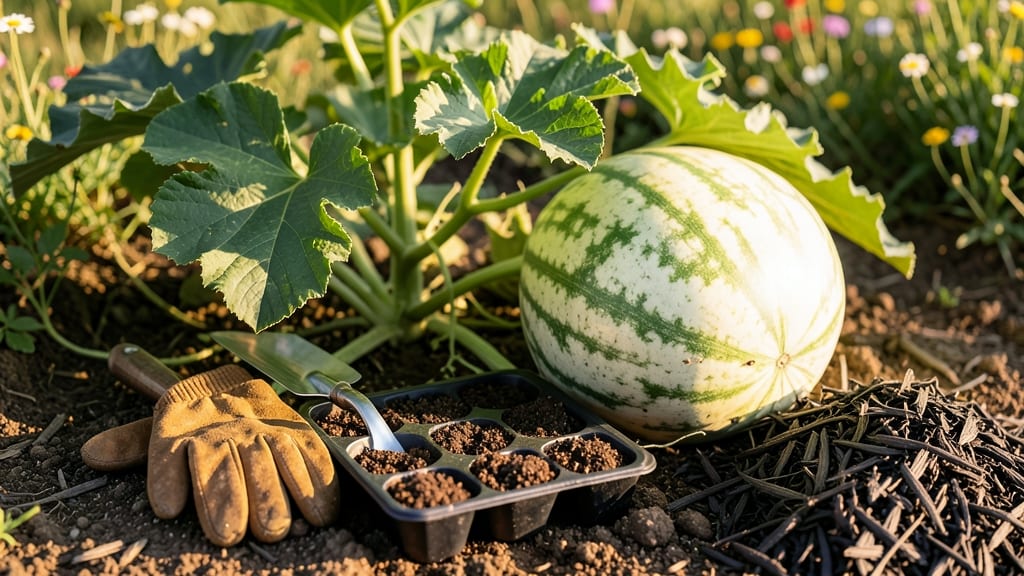
You can plant white watermelon seeds, and they'll produce fruit with white flesh inside, though the outer rind color varies by variety—some develop green stripes or yellow hues while keeping the same sweet, delicate flavor. Remember that hybrid white-fleshed seeds may not produce identical fruit in future generations.
White watermelon seeds work just like any other seeds, but the results depend on the specific variety you choose. 🌱 The white flesh trait is often bred into hybrids, which means the first generation might deliver consistent white flesh, but saving seeds from these plants could yield different colors in subsequent crops.
For gardeners who want reliable white-fleshed results year after year, heirloom varieties are the better bet—though they might require more patience to find.
What's fascinating is how the rind color can differ dramatically even when the flesh stays white. Some varieties develop striking green stripes or golden-yellow exteriors while maintaining that signature sweetness.
This genetic quirk means you might end up with a visually stunning watermelon that's just as delicious as its red-fleshed cousins, if not more refreshing on hot summer days.
💡 In This Article
- Genetics Behind White Watermelon Flesh and Rind Variations
- Growing Tips for White-Fleshed Watermelon Varieties
Genetics behind white watermelon flesh and rind variations
The white flesh in watermelons comes from a recessive genetic trait that suppresses the production of lycopene—the pigment that gives traditional watermelons their red hue. This trait is often introduced through selective breeding, where plant breeders cross varieties to isolate the white flesh characteristic.
The rind color, however, is controlled by a separate set of dominant genes that can produce green stripes, yellow patches, or even solid hues, regardless of the flesh color. 🌱
Hybrid seeds, which are commonly used for white-fleshed varieties, combine traits from two parent plants to create a specific result in the first generation (F1).
However, these hybrids won't breed true to type, meaning if you save seeds from the fruit, the next generation (F2) could produce a mix of white, red, or even pink-fleshed melons due to genetic recombination.
This is why commercial growers often sell fresh hybrid seeds each season rather than relying on saved seeds.
For consistent white flesh, heirloom varieties are the best choice, as they've been selectively bred over generations to maintain specific traits. For example, the 'Moon and Stars' watermelon is an heirloom variety known for its white flesh and striking green rind with yellow spots.
The genetic stability of heirlooms means you can save seeds and expect similar results year after year, though the rind patterns might vary slightly due to environmental factors.
What's interesting is how the white flesh itself affects the flavor profile. Without lycopene, white-fleshed watermelons tend to have a milder, sweeter taste that some describe as almost honey-like, with a crisp texture that's less fibrous than red varieties.
This is because the absence of lycopene means fewer antioxidants are present, shifting the flavor toward natural sugars and a cleaner, more refreshing profile. 💫
Rind color variations, on the other hand, are influenced by chlorophyll and carotenoid pigments, which are more dominant traits.
For instance, a watermelon with green stripes might have higher chlorophyll content in those areas, giving it a slightly earthier taste, while yellow rinds often indicate higher carotenoid levels, which can add a subtle nutty note. These variations don't affect the flesh's sweetness but can enhance the overall sensory experience.
If you're growing white-fleshed watermelons, pay attention to the seed packet labels. Terms like "hybrid" or "F1" indicate the fruit won't breed true, while "heirloom" or "open-pollinated" suggest you can save seeds for future crops.
Understanding these genetic nuances helps you set realistic expectations for your harvest and choose the right seeds for your gardening goals.