
Container Gardens
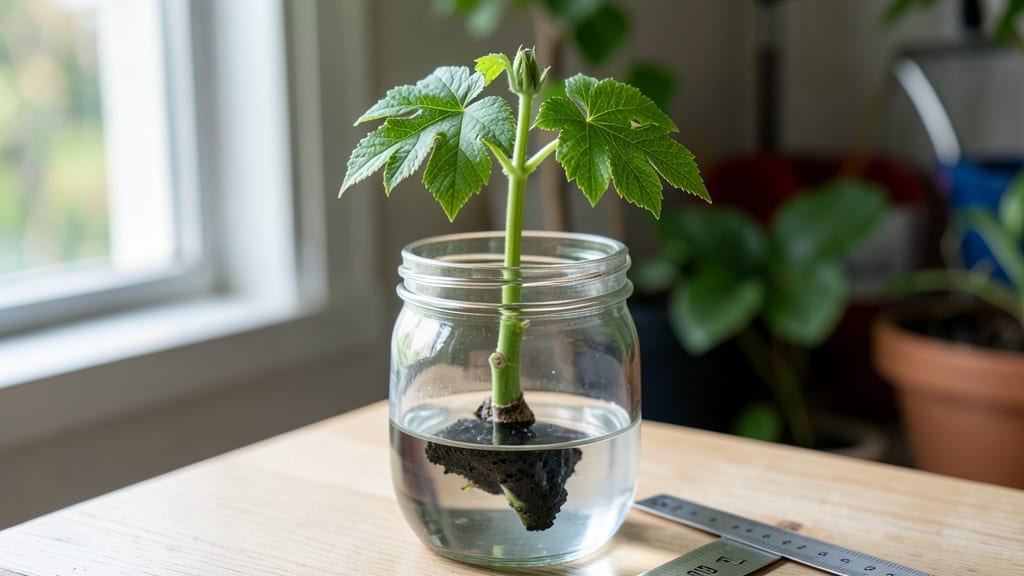
You can root a clematis in water, but success depends on patience and proper technique since its woody stems resist rooting. Change the water every 3-4 days, keep the cutting in bright, indirect light, and expect roots to appear in 4-8 weeks if at all.
Clematis cuttings are notoriously stubborn in water because their thick stems store moisture, slowing root formation. 🌱 Unlike succulents or coleus, which thrive in water propagation, clematis needs a more controlled environment—think of it as a delicate balancing act between hydration and rot prevention.
I’ve found that using a small jar with just enough water to cover the stem’s base (about 1-2 inches) works best, while larger containers can lead to stagnation. The key is consistency: maintaining clean water and steady light exposure without overdoing either.
💡 In This Article
- Why Clematis Struggles to Root in Water
- Step-by-Step Clematis Water Propagation Guide
Why clematis struggles to root in water
Clematis plants have evolved thick, woody stems designed to store water and nutrients, which makes them less responsive to traditional water propagation methods.
Unlike herbaceous plants like pothos or mint, whose stems are soft and porous, clematis stems contain dense vascular tissue that slows cell division—the process needed for root formation.
This is why you’ll often see roots take 4-8 weeks to appear, if they appear at all, compared to 2-3 weeks for easier-to-root plants.
The real challenge lies in the balance between hydration and oxygen. Water propagation works best for plants that thrive in moist conditions, but clematis stems can rot if submerged too long.
The stems’ thick cuticle also resists water absorption, forcing the plant to rely on its internal reserves—something that’s inefficient without external stimuli like rooting hormones. In soil or with gel-based rooting compounds, clematis cuttings fare better because the medium provides both moisture and aeration while encouraging faster cellular activity.
Light exposure plays a critical role too. Clematis cuttings need bright, indirect light (think morning sun or a north-facing window) to trigger photosynthesis, which fuels root growth. Too little light weakens the cutting, while direct sun can scorch the leaves and stress the stem.
This is why many gardeners report higher success rates when combining water propagation with a small grow light—especially in winter months when natural light is scarce.
Another factor is the plant’s natural growth cycle. Clematis typically roots best during its active growing season (late spring to early summer), when hormonal shifts encourage new root development. Attempting propagation in fall or winter often results in failure because the plant’s energy is focused on dormancy rather than regeneration.
Even with ideal conditions, the success rate for water-rooted clematis hovers around 30-40%, compared to 60-70% when using rooting hormone or soil-based methods.
What most people don’t realize is how the cutting’s age affects outcomes. Younger, non-woody stems (from current season’s growth) root more easily than older, hardened stems. This is because younger tissue contains more active meristem cells—those responsible for creating new roots.
If you’re working with mature clematis plants, focus on the green, flexible stems rather than the thick, brown ones that have been growing for years.
Finally, the water itself can become a silent killer. Tap water often contains chlorine or fluoride, which can inhibit root growth. Using filtered or rainwater reduces this risk, but even then, stagnant water becomes a breeding ground for bacteria and algae.
The microbial buildup can clog the stem’s base, preventing oxygen from reaching the developing roots. This is why changing the water every 3-4 days is non-negotiable—it’s not just about cleanliness, but about maintaining the delicate oxygen-water balance critical for root initiation.