
Orchid Care
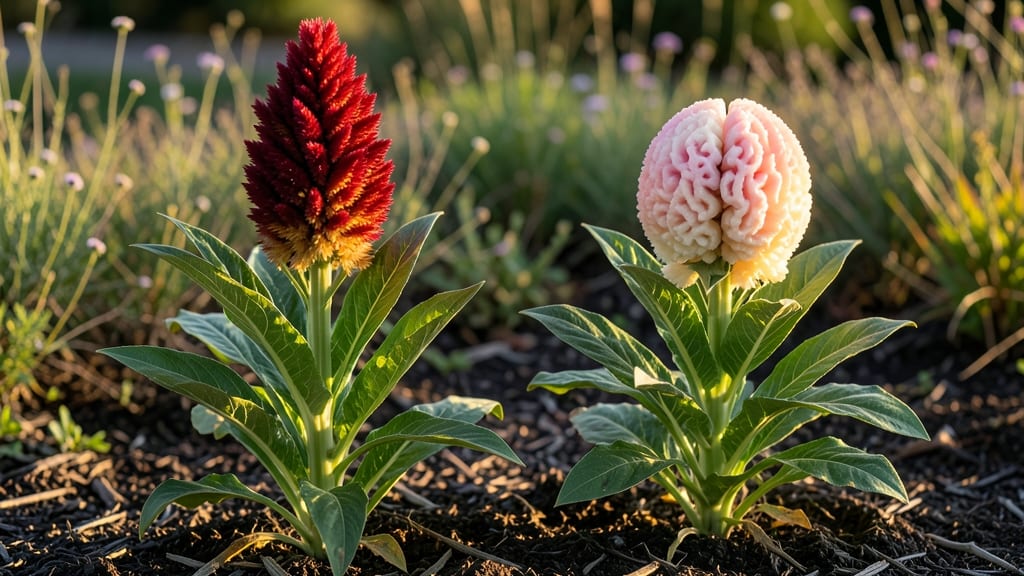
Whether celosia is annual or perennial depends entirely on your climate—most varieties are one-season wonders, but tropical celosia can persist as perennials in frost-free USDA Zones 10-12, where temperatures never dip below 30°F.
Celosia's lifespan hinges on temperature tolerance, as frost kills most varieties, forcing them to complete their cycle in a single growing season. 🌿 In warmer climates like Florida or Southern California, tropical celosia varieties often regrow from the same roots year after year, while colder regions treat them as annuals.
The key difference lies in their ability to withstand freezing temperatures—something most celosia simply can't handle.
For gardeners outside frost-free zones, overwintering techniques like seed saving or potted plant preservation can mimic perennial behavior. Harvesting seeds before frost or moving potted celosia indoors before 40°F nights lets you restart the cycle each spring, effectively creating a multi-year plant.
💡 In This Article
- Why Celosia’s Lifespan Depends on Your Climate Zone
- Extending Celosia’s Life: Overwintering Tips for Cold Regions
Why celosia’s lifespan depends on your climate Zone
Celosia's annual or perennial nature comes down to one critical factor: temperature tolerance. Most celosia varieties originate from tropical regions where frost never occurs, making them highly sensitive to freezing temperatures.
When nighttime temps drop below 32°F, the plant's cellular structure—particularly the delicate meristem tissue at the growing points—suffers irreversible damage. This frost sensitivity forces celosia to complete its entire lifecycle in a single growing season, typically from spring until first frost in autumn.
The science behind this involves dormancy mechanisms. In colder climates (USDA Zones 1-9), celosia lacks the biological adaptations to enter true dormancy like perennials do. Instead, the plant focuses all its energy on seed production before dying back.
Tropical celosia varieties in Zones 10-12, however, have evolved to maintain active growth year-round. Their thicker stems and deeper root systems allow them to withstand consistent warmth without the need for seasonal shutdowns. 🌡️
This climate dependency explains why gardeners in frost-free regions often see celosia behave like perennials. The plants regrow from the same root base each year because they never experience the cellular damage that triggers annual die-off.
In contrast, northern gardeners must treat celosia as annuals unless they implement overwintering strategies. The key difference lies in the plant's ability to maintain active meristem function—something only possible when temperatures stay above 40°F consistently.
Consider the Celosia argentea variety, for example. In Florida's Zone 10 climate, this plant may reach 3-4 feet tall and produce vibrant plumes for multiple seasons. But in Zone 5, the same plant would likely max out at 18 inches before frost kills it back to the ground.
The environmental conditions create fundamentally different growth patterns, with tropical varieties developing thicker cell walls and more robust root systems as evolutionary adaptations.
Even within perennial-friendly zones, there are nuances. Some tropical celosia varieties may still die back during prolonged cold snaps below 45°F, though they'll often recover once warmth returns.
This explains why gardeners in marginal zones (like Zone 9b) sometimes see partial regrowth—enough to suggest perennial behavior but not consistent enough for reliable year-round growth. The 30°F threshold remains the critical dividing line between annual and perennial performance.
For gardeners planning landscapes, this means selecting the right variety for your zone. Celosia cristata (cockscomb) and Celosia spicata (plume celosia) are both typically annual in colder climates, but tropical hybrids like Celosia argentea var. argentea may persist in frost-free areas.
Understanding these regional differences helps you choose plants that align with your climate's natural growing patterns. 🌿