
Watering
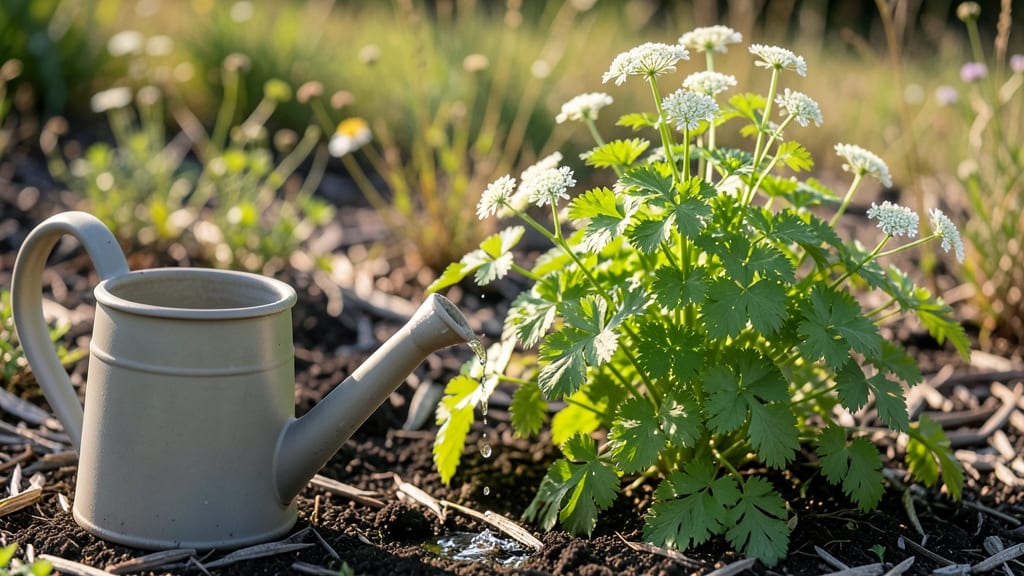
Mastering the cilantro water requirements is the secret to keeping it tender, flavorful, and bolt-free for weeks 🌿 — and the stakes couldn’t be higher if you’ve ever watched your plants turn bitter overnight.
Most gardeners overthink it, but the truth is simpler than you’d expect: cilantro hates extremes. Too little water and it bolts; too much and the roots drown. The sweet spot? A consistent schedule that mimics spring showers—never letting the soil dry out but never drowning it either.
In this guide, I’ll break down the exact watering schedule by growth stage, how to spot overwatering vs. underwatering, and the one trick that keeps cilantro thriving even in summer heat. No guesswork, just results.
Whether you’re growing cilantro in containers or garden beds, you’ll learn how to time your watering for maximum flavor and minimal stress—so you can harvest fresh leaves all season long.
How often to water cilantro: the ideal schedule by growth stage
Getting your cilantro's watering routine right is the secret to avoiding that dreaded bolting—when it suddenly flowers and turns bitter. Cilantro thrives on consistent moisture, but too much or too little can send your plants into a downward spiral.
The key is adjusting your watering schedule based on your cilantro's growth stage, soil type, and even the weather outside your window.
For seedlings, the stakes are highest—overwatering can drown tiny roots while underwatering stunts growth. Once established, cilantro needs regular hydration but with adjustments for heat waves or drought.
I’ve grown cilantro in everything from container gardens to raised beds, and I’ve learned that morning watering is non-negotiable—it reduces evaporation and fungal risks. Let’s break down the exact schedule you need at every stage.
When your cilantro is just sprouting, it’s critical to keep the soil evenly moist—not soggy, not dry. I use a spray bottle for the first week to avoid disturbing the delicate seedlings.
Once they’ve grown true leaves (about 2 weeks old), you can switch to a gentle stream from a watering can. The goal is to water deeply so roots grow downward, not stay shallow.
For established plants (those with 4-6 true leaves), the rule changes slightly. Aim to water every 2-3 days, but always check the soil first. Stick your finger 1-2 inches deep—if it feels dry, it’s time to water.
In hot climates, you might need to water daily, especially if your cilantro is in full sun. A quick trick? Water in the early morning to let excess moisture evaporate before nightfall.
Mature cilantro (ready for harvest) is more forgiving but still needs consistent care. Water every 3-4 days, letting the top 3 inches of soil dry out between sessions. This prevents root rot while keeping leaves tender.
If you notice the lower leaves yellowing, it’s often a sign of overwatering—cilantro hates "wet feet." During drought conditions, reduce frequency to every 5-7 days and mulch heavily to retain moisture.
Container-grown cilantro dries out faster than in-ground plants, so check pots daily in summer. A 5-gallon container might need water every 1-2 days, while larger beds can stretch to 3-4 days.
Pro tip: Add hydrogel crystals to potting mix for extra moisture retention. And always water at the base, not the leaves, to prevent fungal diseases like downy mildew.
One of the biggest mistakes I see is watering on a schedule without checking soil conditions. Cilantro’s water needs shift with temperature, humidity, and soil type. Sandy soil drains quickly, so you’ll need to water more often than in clay soil.
If your cilantro starts bolting (sending up tall flower stems), inconsistent watering is often the culprit—either drought stress or overwatering. Adjust your routine and try shade cloth to slow growth.
For extended harvests, pair your watering schedule with regular pruning. Harvest outer leaves frequently to encourage bushier growth, and always water deeply after harvesting to replenish moisture. If you’re growing cilantro in summer, consider shade cloth to reduce water loss and stress.
And remember: morning watering is your best friend—it keeps leaves dry longer, reducing the risk of pests and diseases.
Finally, don’t forget that cilantro’s flavor peaks when it’s well-hydrated but not waterlogged. Overwatered plants taste milder, while slightly thirsty ones can develop a bitter edge.
The sweet spot? Consistently moist soil that’s never soggy. With this schedule, you’ll enjoy fresh cilantro for weeks—no bolting in sight! 🌿
Signs of overwatering and underwatering in cilantro (and how to fix it)
Cilantro thrives on consistent moisture, but too much or too little water can turn your lush herb into a sad, bitter mess. The key is recognizing the subtle signs before your plants bolt or develop root rot.
Let’s break down what to watch for and how to fix these common watering mistakes.
When your cilantro gets overwatered, the first clue is yellowing leaves that start at the bottom and spread upward. The soil may feel soggy, and you might notice a musty smell around the roots.
Overwatering also slows growth and can lead to leaf drop, leaving your plant looking wilted even when the soil is damp.
Underwatered cilantro, on the other hand, shows signs like crispy leaf edges and a dull, grayish-green appearance. The soil pulls away from the pot edges, and the leaves may curl inward to conserve moisture.
If you tug gently on the stems, they’ll feel dry and brittle—a sure sign your plant is thirsty.
⚠️ Warning: Cilantro’s Watering Sweet Spot
Overwatering causes root rot (black, mushy roots) and fungal diseases. Underwatering triggers bolting (flowering) and stunted growth. Aim for 1 inch of water per week, adjusting for heat or containers. Always check soil moisture 1 inch below the surface—if it’s dry, water; if it’s damp, wait.
To fix overwatered cilantro, stop watering immediately and let the soil dry out. Gently loosen the top 1-2 inches of soil to improve airflow, and consider repotting if the roots are mushy.
For underwatered plants, give them a deep drink until water runs out the drainage holes, then mulch to retain moisture. Both issues can be prevented by using well-draining soil and containers with drainage holes.
Pro tip: Morning watering is best—it reduces evaporation and gives leaves time to dry before nightfall. If your cilantro starts bolting (sending up tall flower stems), it’s often a sign of stress from inconsistent watering.
Snip the flowers immediately to redirect energy back to leaf growth, and adjust your watering routine to keep the soil evenly moist.
Remember, cilantro’s flavor peaks when it’s happy and hydrated. By mastering these signs, you’ll keep your plants lush, flavorful, and ready for harvest for weeks to come. 🌱