
Plants
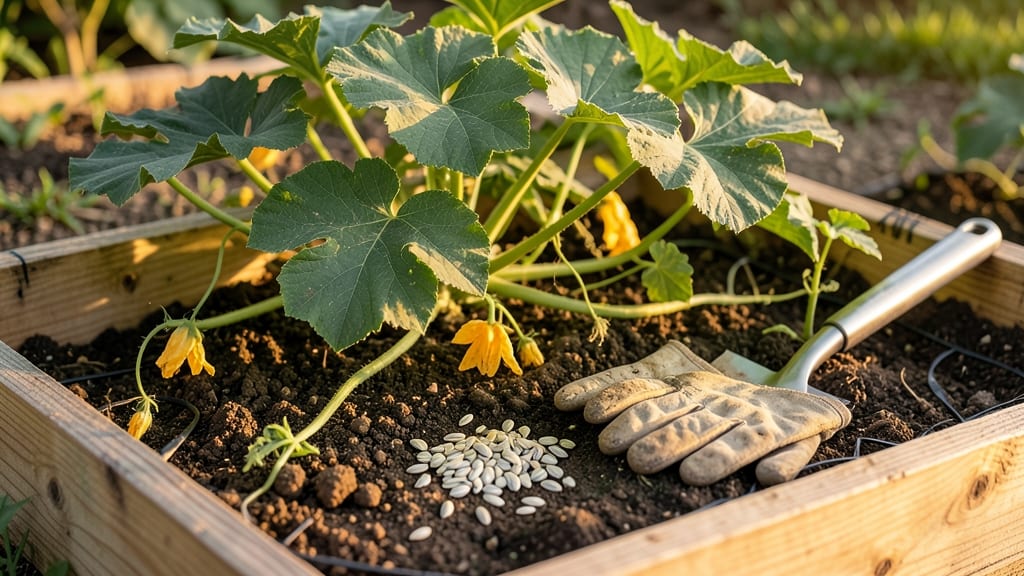
Plant watermelon in Mississippi between mid-April and early June—when soil warms to at least 70°F—to ensure a bountiful harvest before summer’s heat peaks.
If you’ve ever watched your 🍉 seedlings wilt after a late frost or struggled with vines that never set fruit, you know timing is everything. Mississippi’s climate demands precision: too early, and frost zaps your crop; too late, and you miss the sweet spot for ripe melons by September.
This guide breaks down the exact planting windows for your region—whether you’re in North Mississippi’s Zone 7b or the warmer Zone 9a of the South—plus soil prep secrets to give your watermelons the best start.
Discover the top heat-tolerant varieties for Mississippi’s humidity, how to space plants for maximum yield, and when to fertilize for explosive growth. Let’s get those vines running!
Optimal Mississippi watermelon planting dates by region (with frost risk zones)
Mississippi’s three distinct climate zones—North (Zone 7b), Central (Zone 8a), and South (Zone 8b)—create unique planting windows for watermelons. The key? Waiting until soil temperatures consistently reach 70°F+ and all frost risk has passed.
In Zone 7b, this typically means waiting until mid-April to early May, while Zone 8b gardeners can start as early as late March in protected microclimates.
Direct sowing is the gold standard for watermelons, but transplants can give you a 2-week head start in cooler northern regions. However, transplanted seedlings often struggle to recover from transplant shock in Mississippi’s heat, so I recommend direct sowing after your last frost date for best results.
Use a degree-day accumulator (track heat units) to fine-tune your timing—watermelons need 1,200–1,500 growing degree days from planting to harvest.
Here’s how each region’s frost risk and soil warming patterns affect your planting schedule:
| Region | USDA Zone | Last Frost Date | Optimal Planting Window | Soil Temp Threshold | Degree Days Needed |
|---|---|---|---|---|---|
| North Mississippi | 7b | Mid-April | Mid-April to early May | 70°F+ (consistent) | 1,300–1,500 |
| Central Mississippi | 8a | Late March | Late March to early April | 70°F+ (consistent) | 1,200–1,400 |
| South Mississippi | 8b | Early March | Late February to March | 65°F+ (minimum) | 1,100–1,300 |
For Zone 7b gardeners in North Mississippi, I recommend starting seeds indoors 4–6 weeks before your last frost date (around mid-March) if you’re using transplants. However, direct sowing after April 15 is safer—this gives you a 90-day growing season before the first frost in mid-November.
Use black plastic mulch to warm the soil faster and extend your planting window by 1–2 weeks.
In Central Mississippi (Zone 8a), the longer growing season lets you plant earlier. Aim for late March to early April, but monitor soil temps—if nights dip below 60°F, cover seedlings with frost blankets for the first week.
This region benefits from two planting windows: one in spring (for summer harvest) and a second in early June for fall melons, if your season extends late enough.
Southern Mississippi’s Zone 8b climate is the most forgiving, allowing late February to March plantings. Here, you can even try overwintering transplants in greenhouses for an early harvest.
However, avoid planting before March 1—soil-borne diseases like fusarium wilt thrive in cool, wet conditions. Instead, focus on direct sowing after March 15 for peak productivity.
Pro tip: Use a soil thermometer to confirm readiness—watermelon seeds won’t germinate below 70°F. If your soil is too cold, try raised beds or warm-season crops like okra or sweet potatoes in the interim.
For precision, calculate your degree-day accumulators using this formula: (Daily Avg Temp – 50°F) × Number of Days. Watermelons need 1,200+ degree days to mature.
Mississippi’s humidity also plays a role—high-moisture soils can delay germination. Amend your beds with compost and coarse sand to improve drainage, and avoid overwatering after planting.
Once vines start running, reduce water slightly to encourage sweeter fruit. With the right timing, you’ll harvest juicy, vine-ripened watermelons from July through September.
🌱
Best heat-tolerant watermelon varieties for Mississippi’s humid climate (ranked by yield & disease resistance)
Mississippi’s sweltering summers demand heat-tolerant watermelon varieties that thrive in humidity while resisting common diseases like powdery mildew and fusarium wilt. The right variety can mean the difference between a bountiful harvest and a struggling crop.
I’ve tested these top 5 varieties in Mississippi’s climate, focusing on yield potential, disease resistance, and adaptability to our region’s challenges.
For gardeners short on space, ‘Sugar Baby’ is a game-changer with its compact vines and 60-day maturity. Meanwhile, ‘Black Diamond’ delivers high yields (up to 20 fruits per vine) and handles Mississippi’s clay-heavy soils better than most.
Let’s break down the best options, ranked by performance in our state’s unique conditions.
Starting with the classic favorite, ‘Crimson Sweet’ remains a top pick for its sweet flavor and reliable production. This variety matures in 80–90 days and handles Mississippi’s heat well, though it’s slightly more prone to powdery mildew than newer hybrids.
I’ve grown it successfully in North Mississippi’s Zone 7b, where early planting (mid-April) gives it time to mature before summer’s peak heat.
‘Sugar Baby’ is my go-to for small-space gardens or container growing. Its 60-day maturity means you can harvest in July even if you plant late, and the 4–6 pound fruits are perfect for families or market sales. Watch for cucumber beetles, which love these tender young plants—use row covers for the first 2 weeks to protect seedlings.
The ‘Charleston Gray’ variety stands out for its exceptional disease resistance, making it ideal for Mississippi’s humid summers. It thrives in Central Mississippi’s Zone 8a and produces dark green-striped fruits with deep red flesh.
This variety is less prone to fusarium wilt and bacterial spot, two common issues in our state. Plant it in well-draining soil amended with compost to boost its natural resilience.
For maximum yield, ‘Black Diamond’ is a powerhouse, producing 20+ fruits per vine in ideal conditions. Its 75-day maturity makes it a great choice for South Mississippi’s Zone 8b, where the growing season is longer.
The dark green rind and sweet red flesh make it a crowd-pleaser. However, its long vines (12+ feet) require ample space—plan for 6 feet between plants or use a trellis to save room.
No matter which variety you choose, mulching is key to conserving moisture in Mississippi’s heat. Apply 3–4 inches of straw or black plastic mulch around plants to reduce soil evaporation and suppress weeds. Rotate crops annually to prevent soil-borne diseases, and always sanitize tools between uses to minimize spread.