
Pests
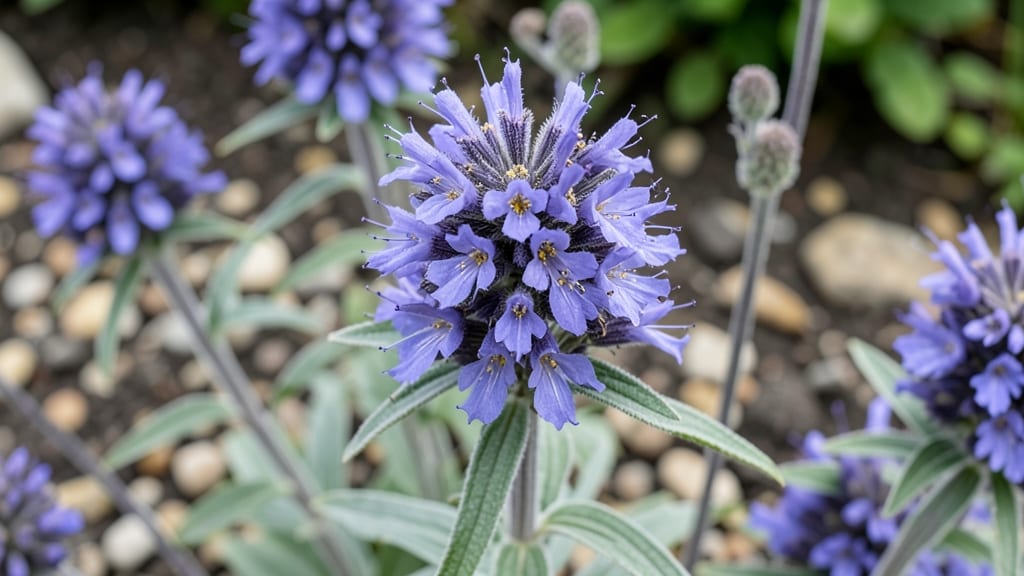
Sunny garden beds that deer can't resist—wait, no, that's the opposite of what we want. 🌻 The secret to deer-resistant perennial flowers in full sun isn't just picking tough plants; it's creating a space so vibrant and fragrant that deer skip right over it.
After years of battling nibbled blooms, I finally landed on a mix that thrives under the hot afternoon sun while keeping those four-legged snackers at bay.
Start with black-eyed Susans, coneflowers, and bee balm—these tough perennials pack bold colors and strong scents that deer dislike. Pair them with Russian sage and lavender for extra protection, and you'll get a garden that blooms reliably from early summer through fall.
The key is spacing them 18-24 inches apart so air circulates, reducing stress on plants and making them even less appealing to hungry deer.
By mid-summer, your beds will be a riot of color—deep reds, sunny yellows, and purples—that actually encourages pollinators while keeping deer out. The best part? These perennials come back stronger every year, so you'll spend less time replanting and more time enjoying the show.
Even better, they handle drought once established, so you won't be stuck watering constantly.
For extra defense, add a few foxglove or lobelia plants at the edges—their milky sap and bitter taste act as natural deterrents. And if deer still linger? A soapy water spray on leaves (reapplied after rain) sends them packing without harming your plants.
This combo works in full sun from zones 4-9, so whether you're in a suburban yard or rural acreage, these perennials deliver year after year.
📚 In This Guide
- What you need
- Instructions
- Tips and common mistakes
- Wrapping up and next steps
What you need
- ● Deer-resistant perennial flowers (sun-loving varieties): 10–20 plants of Black-Eyed Susan (Rudbeckia hirta) (5–6" pots)
- ● 10–15 plants of Coneflower (Echinacea purpurea) (4" pots)
- ● 8–12 plants of Daylily (Hemerocallis) (3" pots)
- ● 6–10 plants of Russian Sage (Perovskia atriplicifolia) (5" pots)
- ● 5–8 plants of Yarrow (Achillea millefolium) (4" pots)
- ● Soil amendments: 5 lbs. compost (for nutrient-rich soil)
- ● 2 lbs. perlite or coarse sand (for drainage)
- ● Fertilizer: 1 lb. slow-release granular fertilizer (10-10-10 ratio)
- ● 1 garden trowel (for planting)
- ● 1 hand pruners (for trimming)
- ● 1 garden hose or watering can (with a spray nozzle)
- ● 1 gloves (gardening or work gloves)
- ● 1 measuring tape (for spacing plants)
- ○ Optional: Mulch (2–3 bags of pine straw or shredded bark)
- ● Deer repellent spray (e.g., Liquid Fence)
- ● Stakes or cages (for taller perennials like Russian Sage)
- ● ✅ A sunny garden spot (6+ hours of direct sunlight daily)
- ● ✅ Well-draining soil (amend if clay-heavy)
- ● ✅ A water source nearby (hose or drip irrigation)
- ● ✅ Local deer activity awareness (check for frequent visitors!)
How to design a deer-resistant perennial flower bed in full sun
Here's how to create a vibrant, low-maintenance sunlit garden deer will avoid—and your neighbors will envy.
🌱 Step 1: Choose the Right Deer-Resistant Perennials
Start with plants deer typically avoid due to strong fragrance, fuzzy foliage, or toxic compounds. My go-to sun-lovers include black-eyed Susan (Rudbeckia), coneflower (Echinacea), shasta daisy (Leucanthemum), and Russian sage (Perovskia). These thrive in full sun and bounce back after nibbling.
I always mix heights and textures for visual appeal. Plant tall varieties like Russian sage (3-4 feet) at the back, medium bloomers (2-3 feet) in the middle, and low growers (1-2 feet) like creeping thyme in front. This creates natural layers deer find less appealing to browse.
☀️ Step 2: Prepare the Sunlit Planting Area
Select a site that gets at least 6 hours of direct sun daily—most deer-resistant perennials need this for robust growth. Clear existing vegetation and loosen the soil to 12 inches deep with a garden fork. Amend with 2-3 inches of compost to improve drainage and fertility.
Here's the thing—deer often target stressed plants. To prevent this, I add 1 inch of coarse sand if your soil drains poorly. Test your soil's pH too; most of these perennials prefer 6.0-7.0. If yours is off, adjust with lime (to raise) or sulfur (to lower) before planting.
🪴 Step 3: Plant with Strategic Spacing and Support
Space plants 12-18 inches apart depending on their mature size. Crowding invites disease and makes it easier for deer to find and nibble. Dig holes twice as wide as the root ball but only as deep—planting too deep suffocates roots.
For taller varieties like Russian sage, I install 3-foot bamboo stakes at planting time and loosely tie stems to them. This prevents flopping from wind or rain, which makes plants more vulnerable to deer. Water deeply right after planting to settle the soil and remove any air pockets.
💧 Step 4: Establish a Watering Routine That Discourages Deer
Water deeply 2-3 times per week during the first growing season to encourage strong root development. Use drip irrigation or soaker hoses positioned at the base of plants—this keeps foliage dry and less appealing to deer. Water in the early morning to reduce fungal risks while deterring browsers.
After the first year, most of these perennials establish deep roots and need less frequent watering. I check soil moisture by sticking my finger 2 inches down—if it feels dry, that's when I water. Mulch with 2-3 inches of shredded bark to retain moisture and suppress weeds that deer might snack on instead.
✂️ Step 5: Maintain with Strategic Pruning and Seasonal Care
Deadhead spent blooms in late summer to encourage a second flush of flowers and prevent self-seeding. I cut back Russian sage and coneflower to 6 inches tall in early spring before new growth appears. This keeps plants compact and more resistant to deer browsing.
In fall, cut back all perennials to 4-6 inches above ground level. This protects roots from freeze-thaw cycles and makes the garden look tidy—deer are less likely to linger in well-maintained areas. Apply a 2-inch layer of mulch after pruning to insulate roots through winter.
Tips & tricks for perfect deer-resistant sun gardens
Creating a deer-proof sunlit garden starts with smart choices—and these tricks will help your blooms thrive while keeping those hungry visitors at bay.
Plant Diversity is Key: Deer are less likely to browse when they can't easily spot their next meal. In Step 1, mix not just heights but also leaf textures—pair fuzzy Russian sage with smooth black-eyed Susans. I also add one or two strongly scented herbs like lavender or rosemary (optional) to the perimeter. The fragrance alone can deter deer while adding another layer of interest to your design.
Soil Prep Makes All the Difference: In Step 2, when loosening soil to 12 inches deep, I always run my fingers through the soil to check for rocks or compacted layers. Break up any hardpan with a garden fork—this ensures roots can grow freely, making plants healthier and more resilient to deer nibbling. If your soil is particularly dense, consider adding 1 part perlite to the compost mix for even better drainage.
Watering Strategy Beyond the Basics: The 2-3 times per week watering in Step 4 works, but here's the secret: water at the base of plants using a gentle spray nozzle, not overhead. This keeps foliage dry and less appealing to deer while preventing fungal diseases. I also recommend installing a timed drip system—it's more efficient and keeps deer from associating your garden with water (which can sometimes attract them).
Pruning for Strength: When deadheading in late summer (Step 5), I cut back just above a set of healthy leaves, not at a joint. This encourages bushier growth that's harder for deer to reach. For Russian sage and coneflower, I also leave some seed heads standing through winter—they provide winter interest and may deter deer who prefer tender new growth.
Pro Tips for Deer Resistant Perennial Flowers Sun
- Creating a deer-proof sunlit garden starts with smart choices—and these tricks will help your blooms thrive while keeping those hungry visitors at bay.
- Plant Diversity is Key: Deer are less likely to browse when they can't easily spot their next meal.
- Soil Prep Makes All the Difference: In Step 2, when loosening soil to 12 inches deep, I always run my fingers through the soil to check for rocks or compacted layers.
Frequently asked questions
Got questions about keeping deer away while enjoying vibrant sun-loving perennials? Here are some answers to help you bloom with confidence!
What makes a flower truly deer-resistant?
Deer-resistant flowers typically have strong fragrances, fuzzy or prickly textures, or toxic compounds that deer avoid. Plants like Lavender, Russian Sage, and Coneflower fall into this category. However, no plant is 100% deer-proof—especially during harsh winters when food is scarce. Pairing these with deer deterrents (like fencing or repellents) works best!
When is the best time to plant deer-resistant perennials?
For sun-loving perennials, spring (after the last frost) or early fall (6-8 weeks before frost) are ideal. Planting in spring gives roots time to establish before summer heat, while fall planting allows roots to grow without competing with summer blooms. Always check your local frost dates for precise timing!
Are there any deer-resistant perennials that also attract pollinators?
Many deer-resistant perennials double as pollinator magnets. Try Butterfly Weed (Asclepias tuberosa), Black-Eyed Susan (Rudbeckia), or Bee Balm (Monarda). These tough blooms repel deer while drawing bees, butterflies, and hummingbirds to your garden—win-win!
What should I do if deer still eat my perennials?
Don’t panic! Start with physical barriers like fencing (at least 8 feet tall) or plant guards. Spraying deer repellents (like those with rotten eggs or hot pepper) can also help. For stubborn deer, try motion-activated sprinklers or planting deer-resistant ground covers (like Creeping Thyme) around vulnerable plants.
Can I mix deer-resistant perennials with other sun-loving plants?
Yes! Pair deer-resistant perennials with deer-loved plants (like Daylilies or Salvia) for a balanced garden. Just strategically place the deer-resistant varieties on the perimeter or in high-traffic areas. This creates a buffer and reduces the risk of total loss while keeping your garden diverse and colorful.
Wrapping up and next steps
Transforming your sunny garden into a deer-proof paradise is easier than you think!
With the right perennial flowers, you can enjoy vibrant blooms year after year while keeping those pesky deer at bay. 🌸 These resilient plants not only thrive in full sun but also stand strong against nibbling, making them the ultimate low-maintenance solution.
Now that you’re armed with the best deer-resistant picks and tips, it’s time to roll up your sleeves!
Start by sketching a simple garden layout—place fragrant varieties near seating areas for a sensory treat, and mix heights for a dynamic look. Pro tip: Check local nurseries for native species, as they’re often the toughest and most adaptable.
Happy planting, and watch your garden flourish with color and confidence! 🌿