
Watering
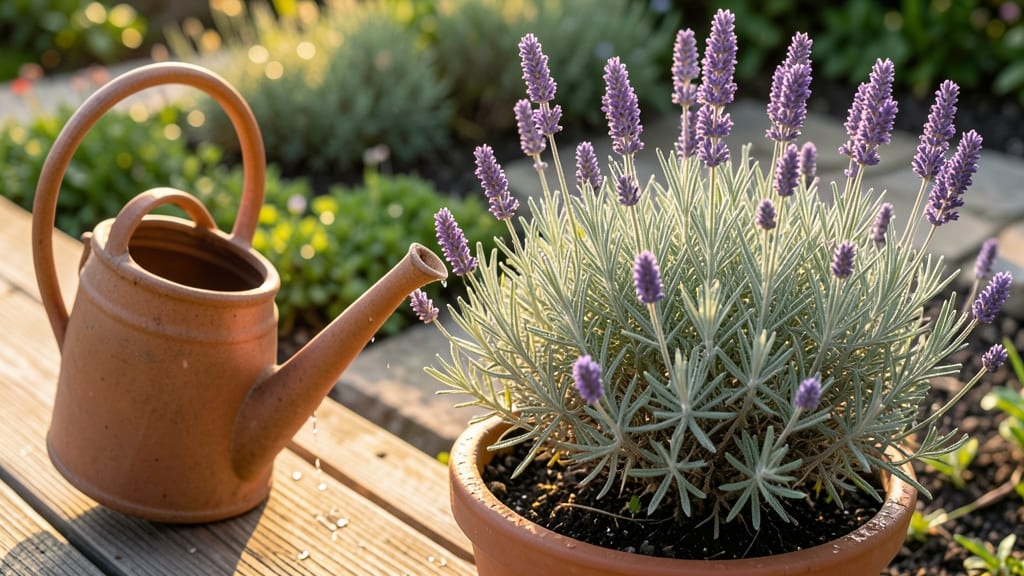
Watering a lavender plant correctly means giving it just enough to thrive—not drowning its roots or letting it dry out completely.
Struggling to keep your lavender plant alive? Overwatering or underwatering can kill it—fast. The secret to thriving lavender lies in a simple soil moisture rule that most gardeners get wrong.
Lavender is famously drought-tolerant, but that doesn’t mean it likes bone-dry soil. The key is letting the top 1 inch of soil dry out between waterings, which keeps roots healthy without inviting rot.
Below, I’ll walk you through exactly how often to water, when to adjust for heat or rain, and how to spot the signs of over- or under-watering before it’s too late.
The 1-Inch dry soil rule: how much water lavender really needs
Lavender thrives on consistency—but not the kind most gardeners assume. Unlike thirsty annuals, lavender is a drought-loving Mediterranean herb that despises soggy soil. The 1-inch dry soil rule isn't just a guideline; it's the key to unlocking lavender's natural resilience.
When the top 1 inch of soil feels dry to the touch, that's your cue to water—no more, no less.
Why this method? Lavender's roots are shallow but fibrous, designed to absorb moisture quickly before the soil dries out completely. Overwatering suffocates these roots, while underwatering stresses the plant. The 1-inch rule strikes the perfect balance, mimicking lavender's native dry, rocky terrain.
Think of it as teaching your lavender to drink like it would in the wild—deep sips, not constant drips.
To check your soil's moisture correctly, use your finger as a tool. Stick your index finger about 1 inch into the soil near the base of the plant. If it feels dry and crumbly, it's time to water.
If it's still damp, wait another day or two. This tactile method beats guesswork and prevents the two biggest lavender killers: root rot from overwatering and stunted growth from dehydration.
Here's where most gardeners go wrong: they water based on a schedule rather than soil conditions. Lavender doesn't need weekly watering—it needs smart watering.
In my own garden, I've seen lavender wilt within days from daily light waterings, while plants watered only when the soil was truly dry thrived for years. The secret? Less frequent, deeper watering encourages roots to grow downward in search of moisture, making your lavender hardier.
Seasonal adjustments are crucial. During spring and fall, when temperatures are moderate, lavender may need water every 7-10 days. But in summer's peak heat, even the 1-inch rule might need stretching to 2 inches dry before watering.
Always check the soil first—don't rely on calendar reminders. Pro tip: Mulch around lavender plants with gravel or coarse sand to replicate its Mediterranean home and reduce evaporation.
Containers add complexity because potted lavender dries out faster than in-ground plants. In my terracotta pots, I water every 5-7 days in summer, but I still check that 1-inch soil rule. The key difference?
Container soil heats up quicker and drains faster, so monitor it twice daily during heatwaves. If the soil feels dry at 1 inch in the morning, water thoroughly—but never let water pool at the bottom of the pot.
Signs you're overwatering lavender include yellowing leaves, mushy stems, and white fungal growth at the soil line. These are red flags that your plant is drowning. Conversely, brown, crispy leaves and wilting despite moist soil signal underwatering. Both extremes stress lavender, but recovery is possible.
For overwatered plants, let the soil dry completely before resuming the 1-inch rule. For underwatered lavender, give it a deep soak and move it to a shadier spot for a few days to reduce stress.
Remember, lavender's water needs are directly tied to sunlight. The more 6+ hours of full sun your plant gets, the more drought-tolerant it becomes. In my full-sun garden beds, lavender often goes 3 weeks without water in summer, while container plants in partial shade may need weekly attention.
This adaptability makes lavender one of the most forgiving herbs—as long as you respect its dry-soil preference.
Start today by testing your lavender's soil moisture. Grab a small trowel or your finger and dig in. If you're surprised by how dry (or wet) it is, adjust your watering immediately.
Lavender rewards patience with vibrant blooms, intense fragrance, and years of low-maintenance beauty. The 1-inch rule isn't just a method—it's your lavender's path to prosperity. 🌿
How to water lavender plants in different Climates (hot, dry, humid)
Lavender thrives in Mediterranean climates but adapts surprisingly well to desert heat and even humid summers—when you know the right watering tricks. The key difference? Adjusting frequency based on rainfall, humidity, and temperature while keeping soil consistently dry between waterings.
I’ve learned this the hard way after losing plants to both root rot and wilting in my own garden.
In hot, dry climates, lavender’s natural drought tolerance kicks in, but that doesn’t mean you can neglect it. The real challenge comes in humid regions, where excess moisture lingers in the air and soil.
Even well-draining soil can become soggy if you water on a fixed schedule without checking conditions. My go-to method is the "finger test"—stick your finger 1 inch into the soil before watering.
- 1. Desert/Arid Climates: Water every 10-14 days in summer, bi-weekly in winter. Use drip irrigation to avoid wetting foliage.
- 2. Mediterranean Climates: Follow the 1-inch dry soil rule. Water deeply every 7-10 days in summer, reduce to every 2 weeks in fall/winter.
- 3. Humid Climates: Water every 5-7 days but shallowly. Avoid evenings to prevent fungal growth. Use gravel mulch to improve drainage.
- 4. Seasonal Adjustments: Spring/Fall: Water every 5-7 days. Winter: Reduce to monthly or skip if rainfall exceeds 1 inch/week.
For container-grown lavender, the rules change slightly because pots dry out faster. I water potted lavender every 5-7 days in summer, regardless of climate, and always check the weight of the pot—a dry pot feels noticeably lighter.
Pro tip: Use terracotta containers to wick away excess moisture faster than plastic.
Watch for these red flags that your watering routine needs adjusting: Yellowing leaves signal overwatering, while wilting despite dry soil often means underwatering or poor drainage.
In my humid zone garden, I’ve had to switch to morning watering to prevent powdery mildew—a fungal issue that thrives in damp conditions.
Remember, lavender’s root system is shallow but spreads wide. Watering at the base of the plant (not overhead) encourages deeper root growth. I’ve found that soaker hoses work best for in-ground lavender, delivering water slowly to the root zone without disturbing the soil.
For newly planted lavender, water every 3-4 days for the first two weeks to help roots establish.
Your lavender’s water needs will evolve with its age. Mature plants (3+ years old) need less frequent watering than young ones, while dwarf varieties dry out faster. Always pair your watering routine with well-draining soil—amending with sand or gravel makes all the difference in clay-heavy soils.
With these climate-specific tips, your lavender will reward you with fragrant blooms all season long! 🌿