
Flowers
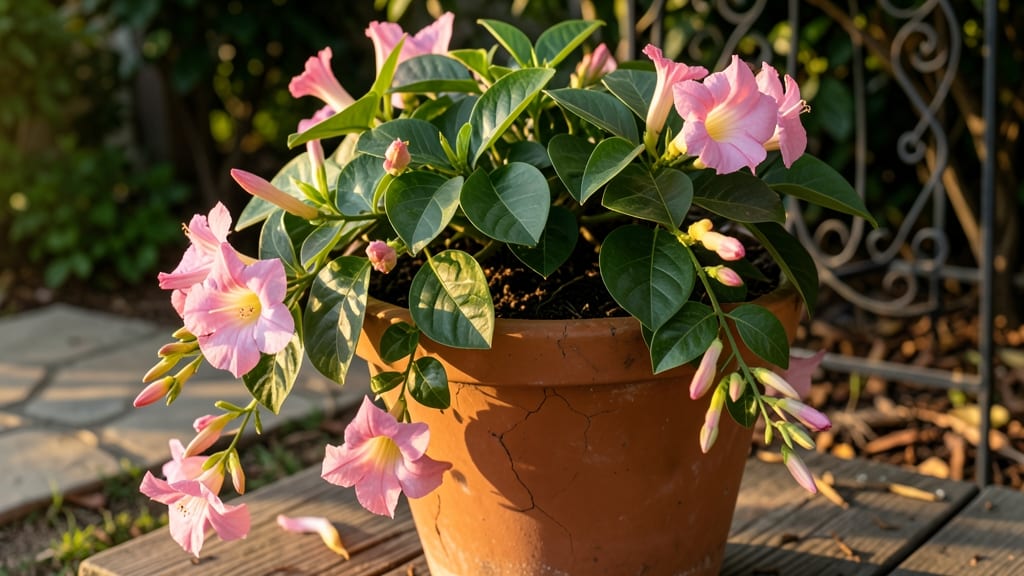
Your Dipladenia thrives as a perennial in frost-free zones but acts like an annual in colder climates—here’s how to keep it blooming year after year. 🌸 The key lies in understanding its cold sensitivity: below 20°F, even the hardiest varieties won’t survive outdoors.
That doesn’t mean you have to replant every spring—with the right overwintering strategy, you can extend its life for seasons.
In warm climates (USDA zones 9-11), Dipladenia grows as a true perennial, sending up new growth each spring and flowering nonstop with minimal care. But in colder zones (7 and below), it becomes an annual unless you bring it indoors before frost.
The secret? Planting in containers from the start makes overwintering effortless—just move it to a bright windowsill or greenhouse when temperatures dip.
You’ll see the payoff in bold, trumpet-shaped blooms that last from spring until frost, with minimal effort. Prune back leggy growth in early spring, fertilize lightly every 4-6 weeks, and watch it rebound with vibrant new shoots.
The difference between a one-season plant and a multi-year showstopper comes down to timing and protection.
For northern gardeners, this means treating it like a tender perennial: plant in pots, bring inside before first frost, and resume outdoor growth in spring.
Southern growers? Enjoy it as a low-maintenance shrub that thrives with minimal winter care. Either way, the blooms make it worth the extra attention.
📚 In This Guide
- What you need
- Instructions
- Tips and common mistakes
- Wrapping up and next steps
What you need
- ● Dipladenia (Mandevilla) plants: 1–3 healthy nursery-grown plants (choose cold-hardy varieties like Mandevilla × amabilis or Mandevilla sanderi for better resilience).
- ● Well-draining potting mix: 1 bag (5–10 gallons) of a blend like 50% peat moss or coconut coir + 30% perlite + 20% compost (avoid heavy clay soil!).
- ● Containers (if potted): 1–2 large pots (12–18 inches in diameter) with drainage holes. Terracotta or fabric pots work best for airflow.
- ● Slow-release fertilizer: 1–2 tablets or granules (12–14 hours) of balanced 10-10-10 or 20-20-20 for planting.
- ● Mulch: 2–3 inches of pine bark fines or shredded leaves to protect roots in winter.
- ● Burlap or frost cloth: 1 roll (for wrapping plants in Zone 8–9 during light frosts).
- ● Gloves & pruning shears: 1 pair each (for handling thorns and shaping plants).
- ● Trowel or spade: 1 medium-sized (for transplanting or dividing roots).
- ● Watering can or hose with nozzle: 1 (dipladenia hates soggy roots!).
- ● Grow lights (indoor overwintering): 1–2 LED bulbs (12–14 hours/day) if bringing plants inside.
- ○ Rooting hormone: 1 small bottle (optional, for propagating cuttings in spring).
- ● Stakes or trellis: 1–2 (to support vining varieties if needed).
How to extend dipladenia blooms through cold seasons
Here’s how I’ve kept my dipladenia flowering reliably year after year—even in cooler climates.
🌱 Step 1: Choose the Right Variety for Your Climate
Not all dipladenia thrive in cold. Look for cold-hardy varieties like Mandevilla ‘Alice du Pont’ or Dipladenia sanderi, which can tolerate brief dips to 28°F with proper care. If you’re in Zone 9 or lower, treat dipladenia as an annual unless you’re willing to overwinter it indoors or in a greenhouse.
Check the plant tag for cold tolerance ratings—this tells you exactly how much frost protection you’ll need. I always opt for the hardiest option available at my local nursery because it saves me from last-minute panic when temperatures drop unexpectedly.
☀️ Step 2: Position for Maximum Sun and Shelter
Dipladenia craves full sun (6+ hours daily) but wilts in harsh afternoon heat. Place it where it gets morning sun and afternoon shade, especially in hotter zones. A south-facing wall or east-facing patio works perfectly—just ensure it’s protected from cold winds.
In colder regions, group dipladenia with taller plants like roses or hydrangeas to create a windbreak. I’ve seen frost damage spread quickly across exposed plants, but those tucked behind a barrier often survive intact. Mulch the base with 2-3 inches of organic mulch to insulate roots from temperature swings.
💧 Step 3: Adjust Watering for Seasonal Survival
Water deeply once a week during active growth (spring/summer), but reduce to every 10-14 days in fall when growth slows. Overwatering in cool weather suffocates roots and invites rot. Let the top 2 inches of soil dry out before watering again—this is your key to avoiding soggy soil.
In frost-prone areas, stop watering 2 weeks before the first expected frost. Dry soil holds less heat, so the plant’s energy isn’t wasted trying to warm damp roots. I always check the 7-day forecast and adjust my schedule accordingly—this small tweak has kept my dipladenia alive through multiple near-freeze events.
✂️ Step 4: Prune for Cold Resilience
Cut back one-third of the plant in early spring to encourage bushier, more resilient growth. Remove any dead or damaged stems immediately—they’re weak points where cold damage can enter. I use sterilized pruners to avoid spreading disease, and I always prune just above a leaf node to promote new growth.
If you’re overwintering indoors, prune after the last frost and bring the plant inside before temperatures drop below 40°F. Place it near a south-facing window or under grow lights to maintain 12 hours of light daily. Without enough light, the plant goes dormant prematurely and may not rebloom in spring.
🪴 Step 5: Overwinter Strategically for Year-Round Blooms
For true perennial growth, dig up dipladenia before the first frost and pot it in a 12-inch container with fresh potting mix. Trim back by half to reduce stress, then place it in a cool (50-60°F), bright location indoors. Water sparingly—just enough to keep the soil from drying out completely.
Check for pests like spider mites (common in dry indoor air) and treat immediately with neem oil. If the plant looks leggy or sparse by spring, give it a balanced fertilizer when you repot it back outdoors. I’ve had the same dipladenia rebloom for three consecutive years using this method—proof that it’s worth the effort.
Tips & tricks for cold-hardy dipladenia care
These battle-tested strategies will help you push your dipladenia's limits and keep those vibrant blooms coming year after year.
Variety Selection Intelligence: When choosing your cold-hardy dipladenia, look for plants labeled for your specific hardiness zone—don't just assume all dipladenia are created equal. I've learned this the hard way after watching 'regular' dipladenia succumb to 30°F temperatures while the 'Alice du Pont' variety thrived. The plant tags often list exact temperature tolerances, so use them like a roadmap for survival. For Zone 9 and below, consider treating it as an annual unless you're prepared for the overwintering effort.
Sunlight Strategy: Dipladenia's sunlight needs are more nuanced than you might think. While they crave that full sun (6+ hours daily), the afternoon heat can be brutal in summer. I've found the sweet spot is morning sun with afternoon shade—think east-facing locations or spots near south-facing walls where they get protection from the harshest rays. In colder climates, this positioning also helps prevent the plant from overheating during the day and cooling too rapidly at night, which can both stress the plant.
Watering Wisdom: The watering schedule in Step 3 is your best defense against cold-related stress. That 2-week pre-frost watering cutoff is critical—it gives the plant time to harden off naturally. I've noticed that plants I watered right up until the frost hit always showed more cold damage. The key is to let that top 2 inches of soil dry out completely between waterings in fall, which signals the plant to prepare for dormancy. This isn't about deprivation—it's about teaching the plant when to conserve energy.
Overwintering Insight: The 50-60°F indoor temperature range during overwintering might seem broad, but it's actually precise. Too warm (above 60°F) and the plant may start growing prematurely, only to be shocked when spring arrives. Too cool (below 50°F) and it may enter dormancy too early. I've found that placing the plant near a south-facing window with supplemental grow lights creates that perfect balance. The light is just as crucial as the temperature—without 12 hours of light daily, the plant won't have the energy to rebloom properly in spring.
Pro Tips for Dipladenia Annual Or Perennial
- These battle-tested strategies will help you push your dipladenia's limits and keep those vibrant blooms coming year after year.
- Variety Selection Intelligence: When choosing your cold-hardy dipladenia, look for plants labeled for your specific hardiness zone—don't just assume all dipladenia are created equal.
- Sunlight Strategy: Dipladenia's sunlight needs are more nuanced than you might think.
Frequently asked questions
Got questions about growing dipladenia as an annual or perennial? Here are some of the most common concerns—and answers—to help you keep those stunning blooms thriving!
Is dipladenia cold-hardy, or should I treat it as an annual?
Dipladenia (Mandevilla) is not cold-hardy in most climates (USDA Zones 9-11). In cooler areas, it’s best grown as an annual or overwintered indoors. If you’re in Zone 8 or below, dig up potted plants before frost and bring them inside for the winter. Pro tip: Use a bright windowsill or grow lights to keep it alive until spring!
When should I plant dipladenia for the best blooms?
For annual growth, plant dipladenia after the last frost in spring (around late May in most regions). This gives roots time to establish before summer heat. If overwintering, repot and replant outdoors in early summer once nighttime temps stay above 50°F (10°C). Early planting = more blooms by summer!
Can I grow dipladenia from cuttings instead of buying new plants?
Dipladenia propagates easily from semi-hardwood cuttings (4–6 inches long) taken in spring or early summer. Dip the cut end in rooting hormone, plant in moist potting mix, and keep in bright, indirect light. Roots should form in 4–6 weeks. Bonus: This is a budget-friendly way to expand your collection!
Why aren’t my dipladenia flowers opening, and how do I fix it?
Common culprits include too much shade, overwatering, or lack of nutrients. Ensure it gets 6+ hours of sunlight daily, water only when the top inch of soil is dry, and fertilize monthly with a balanced bloom booster. If buds form but drop, it may be stress from temperature swings—keep it in a stable 60–80°F (15–27°C) range.
What’s a good dipladenia alternative for colder climates?
If dipladenia’s tropical nature doesn’t suit your zone, try these hardier, equally stunning alternatives:
- Abelia (Zones 6–9): Fragrant blooms and glossy foliage.
- Weigela (Zones 4–8): Bold pink/red flowers, deer-resistant.
- Canna lilies (Zones 8–11, but tubers can be dug up): Dramatic tropical vibes.
- Petunia (Annual): Cold-tolerant annual with similar vibrant colors.
Wrapping up and next steps
So, whether you’re embracing dipladenia as an annual for its vibrant bursts of color or pushing its limits as a perennial with winter care, your garden is about to thrive! 🌸 With the right cold-hardy strategies—like mulching, pruning, and strategic overwintering—you can enjoy its stunning blooms for years to come. Ready to take the next step? Grab your gloves, pick a sunny spot, and start nurturing these tropical beauties today!