
Plants
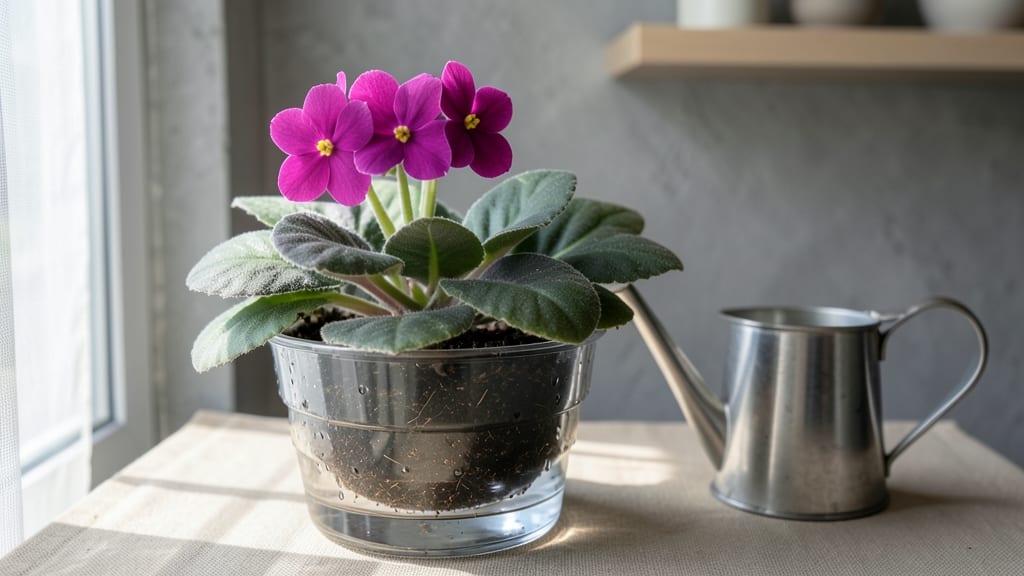
Bottom watering works best for moisture-loving plants like ferns, peace lilies, and calatheas by delivering hydration directly to roots while minimizing foliage damage. This method works best for species that thrive in consistently damp soil without overwatering risks.
This watering technique is perfect for plants that prefer consistently moist soil but hate soggy leaves—think tropical varieties that would otherwise develop fungal spots from overhead watering. 💧 The key is letting the plant draw up water through capillary action, which mimics natural rainfall patterns in their native environments.
For example, ferns and calatheas often wilt or develop brown tips when their leaves stay damp, but bottom watering keeps their roots happy without risking leaf rot.
What makes this method especially effective is how it regulates humidity around the plant. Unlike top watering, which can create a damp microclimate that encourages mold, bottom watering lets the soil absorb moisture gradually. This is why philodendrons and pothos thrive with it—both love humidity but despise wet foliage.
The only catch? You'll need a saucer or tray deep enough to hold at least 1 inch of water without overflowing.
💡 In This Article
- Why Bottom Watering Works for Certain Plants
- 12 Best Plants for Bottom Watering Success
Why bottom watering works for certain plants
Bottom watering thrives for moisture-loving plants because it leverages the natural physics of capillary action—the process where water moves upward through tiny soil pores.
Plants like ferns and peace lilies have fibrous root systems that efficiently absorb water this way, especially in well-aerated, organic-rich soils (like peat or coco coir mixes). Unlike top watering, which can create surface crusting, bottom watering lets roots drink deeply without disrupting the soil structure.
This is why tropical species—evolved in humid, shaded environments—prefer it: their roots need constant moisture, but their leaves can't tolerate dampness for long.
The real magic happens in the humidity regulation. When you place a plant in a tray with 1-2 inches of water, the soil acts like a sponge, releasing moisture gradually. This mimics the steady rainfall patterns of their native habitats (like the Amazon rainforest for philodendrons).
The difference? No leaf spots from splashing water. For example, calatheas—known for their dramatic leaf patterns—often develop brown edges from fluctuating humidity. Bottom watering keeps their soil consistently damp (40-50% moisture) while preventing fungal issues like powdery mildew, which thrives on wet foliage.
Soil type matters too. Sandy soils drain too quickly for bottom watering, while clay-heavy mixes can trap excess water. The sweet spot? A blend with 30-40% organic matter (like perlite + compost) that holds moisture but allows airflow.
This is why snake plants (though drought-tolerant) still benefit—even they prefer occasional bottom watering to avoid root rot in dense soils. The key is observing the plant: if the top inch of soil feels dry after 2-3 days, it's time to replenish the tray.
What most gardeners miss is how bottom watering reduces transpiration stress. When leaves stay dry, the plant expends less energy regulating moisture loss. For instance, fittonia (nerve plants) wilt dramatically if their leaves stay damp, but bottom watering keeps their roots hydrated without triggering this response.
The result? Healthier growth and fewer pest problems (like spider mites, which love dry, stressed plants). Just remember: never let the plant sit in standing water longer than 30-60 minutes—even moisture-lovers need breathing room.
Here’s a pro tip: Use a clear container to monitor water absorption. If the tray empties within 1 hour, your soil is too dense. If it takes 6+ hours, it’s too dry. This simple check tells you exactly how your plant’s roots are behaving—no guesswork needed. 💧
For plants with aerial roots (like orchids or some bromeliads), bottom watering becomes even more critical. These roots absorb humidity directly, but they also need soil moisture. A shallow tray with ½ inch of water lets them drink without rotting.
It’s a delicate balance, but the payoff is lush, vibrant growth without the risks of traditional watering methods.