
Watering
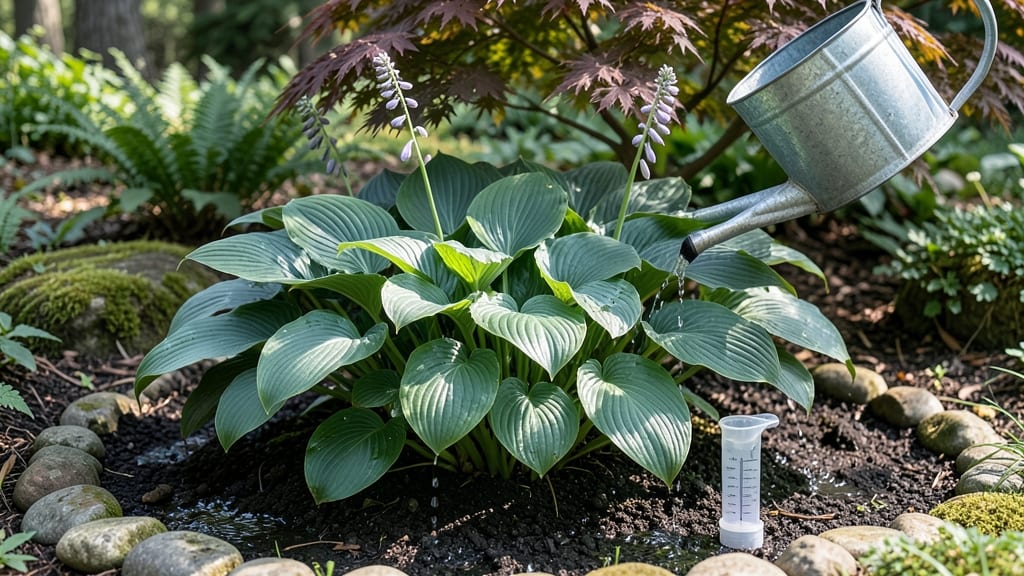
Hostas do like a lot of water 🌿 — but not in the way you might think, and getting it wrong can mean the difference between lush foliage and a sad, shriveled plant.
If you’ve ever wondered why your hostas thrive in one spot but wilt in another, watering habits might be the hidden culprit. Hostas are famously finicky about moisture, but not in the way most gardeners assume.
These shade-loving perennials prefer their soil consistently damp, almost like a sponge that never fully dries out. Too little water, and they’ll yellow and crisp at the edges. Too much, and you’ll drown their roots in soggy soil.
In this guide, I’ll break down the perfect watering routine for your hostas, including how to adjust for your climate, the signs of over- or under-watering, and the best times to give them a drink.
How much water hostas actually need (and when to adjust)
Hostas are often called "the perfect shade plant," but their water needs can be surprisingly tricky to get right. While they do love moisture, overwatering is just as damaging as underwatering—think mushy crowns or crispy edges.
The key lies in mimicking their natural woodland habitat, where soil stays consistently damp but never soggy. Let’s break down exactly how much water hostas need and when to adjust your routine.
Native to East Asia and North America, hostas thrive in environments with humid air and rich, organic soil. This means they prefer 1 inch of water per week during the growing season (spring through fall), but the delivery matters just as much as the amount.
Unlike drought-tolerant succulents, hostas hate drying out, but their roots also suffocate in waterlogged soil. The goal? Keep the soil evenly moist without creating puddles.
🌿 HOSTA WATERING GUIDE
| Season | Ideal Watering Frequency | Soil Moisture Goal | Signs of Stress |
|---|---|---|---|
| Spring (April-June) | Weekly (deep soak) | Consistently damp | Yellowing leaves, slow growth |
| Summer (July-August) | 2-3x per week | Never dry out | Brown leaf edges, wilting |
| Fall (September-October) | Bi-weekly | Moist but drying slightly | Premature dormancy |
| Winter (November-March) | Monthly (if no snow) | Dry but not parched | Cracked soil, dead foliage |
Your watering schedule should shift with the seasons. In spring and summer, when hostas are actively growing, aim for 1-1.5 inches of water per week. This means watering deeply 2-3 times per week rather than light sprinkles daily.
The morning is ideal—watering in the early morning (before 10 AM) gives foliage time to dry, reducing fungal risks like slime mold or leaf spot. Avoid evening watering, which can leave leaves damp overnight and invite pests.
Soil type plays a huge role in how often you need to water. Hostas in clay soil (which holds moisture well) may only need watering every 10-14 days, while those in sandy soil (which drains quickly) might require weekly watering.
To test moisture, stick your finger 2 inches into the soil. If it feels dry, it’s time to water.
If it’s soggy, wait a few more days. Mulching with 2-3 inches of organic mulch (like shredded bark or compost) helps retain moisture and regulates soil temperature—critical for hostas in hot climates.
Watch for visual cues that your hostas are thirsty or drowning. Underwatered hostas show crispy, brown leaf edges and may wilt slightly, while overwatered hostas develop yellowing leaves, mushy crowns, or even rot.
If you notice leaf drop or stunted growth, adjust your routine immediately. For container-grown hostas, check soil moisture daily in summer—potted plants dry out much faster than in-ground varieties.
In dry climates, hostas may need daily watering during heatwaves, but always pair this with proper drainage. If your hostas are in containers, ensure pots have drainage holes and use a well-draining potting mix (like a blend of peat moss, perlite, and compost).
For in-ground hostas, consider raising beds slightly or adding organic matter to improve drainage. Drip irrigation or soaker hoses are perfect for delivering consistent moisture without wetting the leaves.
Adjust your watering habits based on weather patterns. After a heavy rain, skip watering for a few days—hostas can handle brief periods of saturated soil, but prolonged sogginess leads to root rot.
Conversely, during drought conditions, increase frequency but reduce volume per watering to encourage deeper root growth. Grouping hostas together also helps create a microclimate with higher humidity, reducing the need for frequent watering.
Pro tip: Divide and conquer. Every 3-4 years, hostas benefit from being divided in spring. This not only rejuvenates the plant but also gives you a chance to <
Common watering mistakes that kill hostas (and how to fix them)
Hostas love moisture, but their watering needs are often misunderstood. Many gardeners assume they need constant soaking, which can actually lead to root rot. The key is consistent moisture without waterlogging. I’ve seen even experienced gardeners overwater or underwater their hostas, leading to yellowing leaves or stunted growth.
Let’s tackle the 5 most common watering mistakes that sabotage your hostas—and how to fix them. These fixes will help you keep your plants thriving year-round, whether in containers or garden beds.
- Shallow watering Only wets the top inch of soil, leaving roots thirsty. Fix: Water until moisture reaches 6-8 inches deep.
- Ignoring soil drainage Poor drainage causes root suffocation. Fix: Amend clay soil with compost or perlite.
- Watering at night Encourages fungal diseases like slime mold. Fix: Water in the early morning.
- Neglecting humidity needs Dry air in arid climates stresses hostas. Fix: Mulch with pine needles or use pebble trays.
- Overwatering containers Potted hostas dry out faster. Fix: Check soil moisture daily with a moisture meter.
One of the biggest mistakes is assuming all hostas have the same water needs. Dwarf varieties like 'Pandora' need less water than giant types like 'Sum and Substance'. Always adjust based on your plant’s size and leaf size—larger leaves mean more moisture loss.
For container hostas, I recommend using a well-draining mix with 30% perlite or orchid bark. Without proper drainage, roots suffocate, leading to mushy crowns. If you notice yellowing leaves with crispy edges, it’s often a sign of underwatering, but if the leaves feel soft, you’re overwatering.
In dry climates, I’ve found that grouping hostas together helps create a microclimate with higher humidity. Add a layer of organic mulch (like shredded bark) to retain moisture and suppress weeds. This simple trick can cut your watering needs by 30%.
Remember, hostas are resilient once you get their watering routine right. Start with a DIY soil test: Dig 6 inches down and check for moisture. If it’s dry, water deeply. If it’s soggy, hold off until the top 2 inches are dry. Small adjustments make a big difference!