
Light Requirements
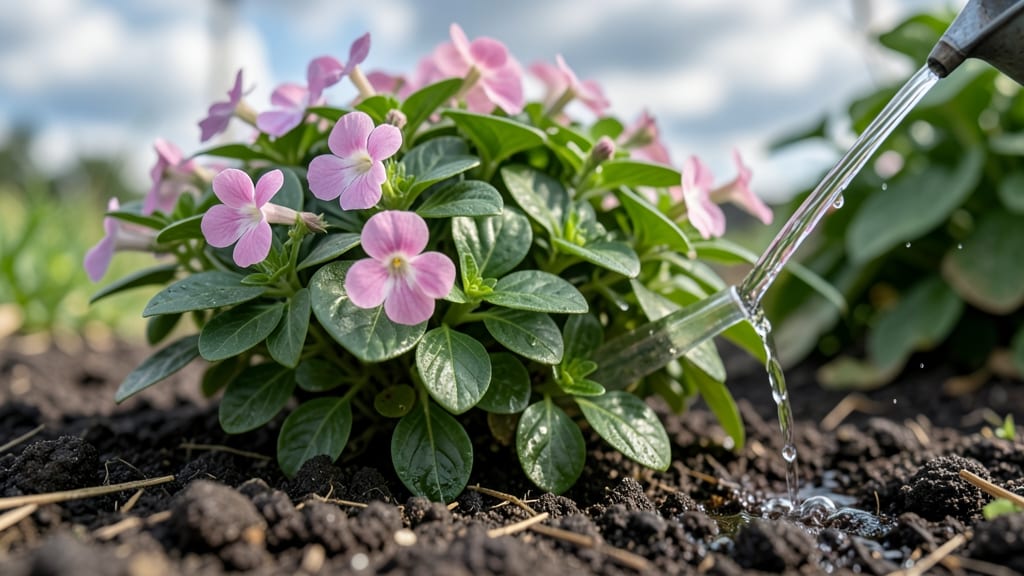
Impatiens need a lot of water to thrive, but too much can drown their delicate roots—so finding the right balance is the key to those vibrant blooms all summer long 🌸.
Picture this: you’ve just planted your impatiens, and they’re bursting with color—until you notice the leaves wilting by afternoon. Or worse, the stems turn mushy from overwatering. The truth is, these tropical plants crave moisture, but their roots can’t handle soggy soil for long.
In this guide, I’ll break down exactly how often to water impatiens, what signs to watch for (yellowing leaves? That’s a red flag), and the simple soil test that saves you from guesswork.
You’ll leave here knowing the perfect watering schedule for your climate, how to adjust for rain or heatwaves, and even how to fix overwatering before it’s too late.
How often to water impatiens: the ideal schedule for thriving plants
Impatiens thrive when their roots stay consistently moist, but they despise soggy soil. As a tropical plant, it loves humidity and regular hydration—but too much water can suffocate roots faster than a drought can wilt them.
The key is deep, even watering that mimics its natural rainforest environment without drowning it.
Most gardeners assume impatiens need daily watering, but the truth is more nuanced. Factors like pot size, soil type, and climate shift the schedule dramatically.
For example, a container-grown impatiens in full sun may need water every morning, while one in partial shade with rich garden soil might only require water every other day.
Here’s the golden rule: Water when the top 1-2 inches of soil feel dry. Use your finger to check—if it’s damp, wait. If it’s bone-dry, it’s time. This simple test prevents both overwatering and underwatering, the two biggest killers of impatiens.
| Condition | Watering Frequency | Best Practices |
|---|---|---|
| Outdoor Garden Beds | Daily to Every Other Day | Water deeply at soil level; avoid wetting foliage to prevent disease. |
| Containers/Pots (5+ gallons) | Every 1-2 Days | Use well-draining soil; water until it drains from the bottom. |
| Hot/Dry Climates (90°F+) | Daily Morning Watering | Mulch heavily to retain moisture; water before 10 AM to reduce evaporation. |
| Cool/Humid Climates (60-75°F) | Every Other Day | Reduce frequency; check soil moisture before watering. |
| Indoor Growing (Bright Window) | Every 2-3 Days | Use a humidity tray; avoid cold drafts near the plant. |
| After Rainfall (1/2" or More) | Skip Watering for 2-3 Days | Let soil absorb natural moisture; resume normal schedule afterward. |
In summer heatwaves, I increase watering to daily—especially for potted impatiens. The key is to water early in the morning (before 10 AM) to let foliage dry out during the day, reducing fungal risks like powdery mildew.
If your impatiens are drooping by midday, it’s a sign they’re thirsty, not necessarily overheated.
For container gardening, I recommend using pots with drainage holes and a well-draining potting mix. A mix of peat moss, perlite, and compost keeps roots aerated while holding moisture. Pro tip: Group potted impatiens together to create a microclimate that retains humidity, mimicking their tropical origins.
If you’re growing impatiens indoors near a bright window, reduce watering to every 2-3 days. Indoor air is often drier, so I use a pebble tray with water underneath the pot to boost humidity.
Avoid letting the plant sit in standing water—this causes root rot faster than you can say “wilted blooms.”
One of my biggest mistakes was assuming impatiens in garden beds needed less water than potted ones. The opposite is true! Garden soil retains moisture longer, so I now check the soil 2 inches deep before watering in-ground plants.
For containers, I water until it drains from the bottom—this ensures roots get the hydration they crave.
Adjust your watering schedule based on seasonal changes. In spring and fall, when temperatures are moderate, every other day is usually enough. But during peak summer, even well-established impatiens may need daily watering. Always prioritize morning watering to give plants a full day to absorb moisture before nightfall.
Remember: Consistency is critical. Impatiens hate moisture fluctuations—alternating between drought and soggy soil stresses them out. Stick to your schedule, and your impatiens will reward you with non-stop blooms from early summer until frost.
With the right watering routine, these tropical beauties will thrive in your garden like they’re on vacation in the rainforest.
Signs your impatiens are overwatered (vs. underwatered): a visual guide
Impatiens thrive on moisture but can't handle soggy roots—yet many gardeners struggle to tell the difference between overwatered and underwatered plants. The key lies in the stems, leaves, and overall plant structure.
If your impatiens look limp with mushy stems, you're likely drowning them. But crispy edges and wilting? That's thirst talking.
Let’s break down the symptoms side by side so you can diagnose your impatiens like a pro. Overwatering causes root rot and fungal issues, while underwatering leads to stunted growth and faded blooms. Both problems start with the same symptom—wilting—but the fixes couldn’t be more different.
Impatiens Watering: Overwatered vs. Underwatered
| Issue | Symptoms | Fix |
|---|---|---|
| Overwatered |
|
|
| Underwatered |
|
|
| Yellow Leaves? |
|
|
Yellow leaves can be tricky—they’re your first clue to overwatering when they appear on the bottom leaves. But if the top leaves turn yellow, your impatiens might need a nutrient boost instead.
Always check the soil first: stick your finger 1 inch deep. If it’s damp, hold off on watering.
For container-grown impatiens, empty drainage holes are non-negotiable. Without them, water pools at the bottom, suffocating roots. If you’re unsure, lift the pot—if it’s heavier than expected, it’s overwatered. Lightweight pots? Time to water.
Pro tip: Morning watering is your best friend. It gives excess moisture time to evaporate and prevents fungal growth. Avoid evening watering—wet foliage overnight invites powdery mildew, a common impatiens nemesis.
Now you’ve got the tools to rescue your impatiens. Next time you see wilting, don’t panic—check the stems and leaves first. A little detective work saves your plants from both drowning and dehydration. 🌸