
Orchid Care
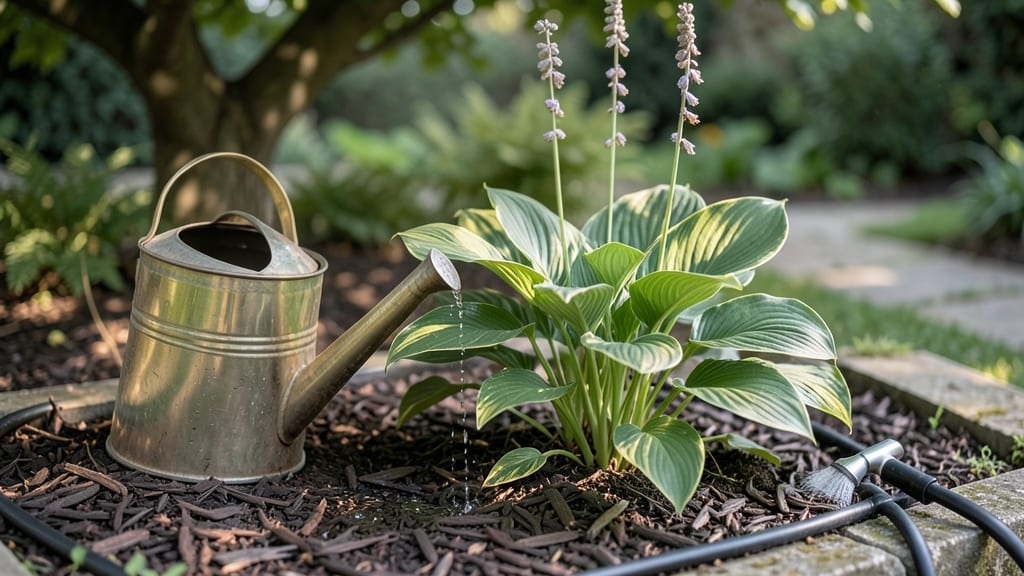
Do hostas like water? Absolutely—they thrive with consistently moist soil, but too much can drown them faster than you’d think.
Picture this: you’re watering your hostas every day, thinking they’re thriving, only to find yellowing leaves or mushy stems by summer. That’s not overwatering—it’s a classic sign of poor drainage or soil that’s too soggy for their liking.
In Zone 6a, where hostas are happiest, the secret isn’t just how often you water but how well your soil holds moisture without turning into a swamp. A simple finger test (or a moisture meter) can save your plants from root rot before it starts.
Below, I’ll break down the exact watering schedule for spring planting, how to adjust for clay or sandy soil, and the three mistakes that kill hostas—even when gardeners swear they’re giving them enough to drink.
How much water hostas need (and when overwatering kills them)
Hostas are often called the "queens of shade gardens" because they thrive in low-light conditions, but their water needs are just as critical. While they love moisture, overwatering hostas is a silent killer that leads to mushy stems, fungal diseases, and even plant death.
The key is maintaining consistently damp soil without letting it become waterlogged—a balance many gardeners struggle with.
As a perennial plant, hostas develop deep root systems over time, which changes their watering needs. Young hostas need frequent watering to establish roots, while mature plants can handle slightly drier conditions. Understanding these stages—and your local climate and soil type—will help you avoid both underwatering and overwatering.
Before diving into watering schedules, let's address the biggest myth: hostas don't like soggy soil. Many gardeners assume these moisture-loving plants need constant water, but the truth is far more nuanced.
Overwatering disrupts oxygen flow to roots, inviting root rot and fungal infections like powdery mildew. The goal is moisture balance, not saturation.
Yes—but not too much! Hostas prefer consistently moist soil, but overwatering hostas is the #1 cause of death. Test soil moisture by sticking your finger 2 inches deep: if it's damp, wait. If dry, water deeply until moisture reaches 6 inches down. Mushy stems or yellow leaves? You're overdoing it.
Seasonal changes dramatically affect how much water hostas need. During spring and summer, when growth is most active, hostas require 1 inch of water per week. This includes rainfall, so check your soil before watering.
In fall and winter, reduce watering to every 10-14 days unless your region experiences freezing temperatures, which can dry out the soil.
Your soil type plays a huge role in watering frequency. Hostas in clay soil stay moist longer and may need watering every 7-10 days, while sandy soil drains quickly, requiring water every 4-5 days.
To improve drainage in heavy soils, mix in compost or perlite during planting. For sandy soils, add organic matter like peat moss to retain moisture.
Signs of underwatered hostas include wilting leaves, crispy edges, and a dull, grayish-green color.
If you see these symptoms, water deeply and mulch around the base to lock in moisture. Overwatered hostas, on the other hand, show yellowing leaves, mushy stems, and a foul smell from the soil.
These are red flags for root rot, a fungal disease that spreads quickly in waterlogged conditions.
Mulching is your best friend when it comes to hosta watering. Apply a 2-3 inch layer of mulch (like shredded bark or straw) around the plant but keep it 2 inches away from the stem to prevent rot.
Mulch slows evaporation, keeps roots cool, and reduces watering frequency by up to 30%. Just remember: too much mulch can suffocate roots, so aim for the sweet spot.
Morning watering is ideal for hostas because it allows foliage to dry out during the day, reducing the risk of fungal diseases. Avoid watering in the evening, as damp leaves overnight create the perfect environment for powdery mildew.
If you must water in the heat of the day, do it early in the morning to minimize evaporation and stress on the plant.
Young hostas (under 2 years old) need more frequent watering—2-3 times per week—to encourage root growth. Mature hostas, however, can handle weekly watering once established. To check if your hosta is thirsty, perform the finger test: insert your finger 2 inches into the soil.
If it feels dry, it's time to water. If it's damp, hold off for another day or two.
One final tip: container-grown hostas dry out faster than in-ground plants. If you're growing hostas in pots, water every 3-5 days in summer and reduce to once a week in cooler months. Ensure containers have drainage holes to prevent waterlogging, and use a well-draining potting mix designed for shade-loving plants.
The right soil test for hostas: moisture, drainage, and pH balance
Hostas love moisture but despise soggy roots—balancing the two is key to their success. Soil moisture and drainage determine whether your hostas thrive or succumb to rot.
Start by testing your soil’s moisture retention and pH, as these factors directly impact how often you should water and what amendments to add.
Ideal hosta soil should feel like a damp sponge: cool to the touch, moist but not waterlogged. Clay soil holds too much water, while sandy soil drains too quickly. A simple finger test reveals the truth—stick your finger 2-3 inches deep; if it feels dry, it’s time to water.
For accurate results, use a moisture meter or a simple DIY test: squeeze a handful of soil—if it crumbles easily, water is needed. Hostas prefer pH 6.5-7.5; test your soil with a kit or send a sample to your local cooperative extension service for precise readings.
If your soil drains too fast, amend it with organic matter like composted leaves or well-rotted manure. For heavy clay, mix in perlite or vermiculite to improve aeration. Always water deeply but infrequently—1-1.5 inches per week—to encourage deep root growth.
Mulch with shredded bark or straw to lock in moisture and regulate soil temperature. Avoid thick layers (>3 inches), which can suffocate roots. Regularly check soil moisture, especially in summer heat or winter drought, to keep hostas happy and healthy.
Remember, consistency is key. Hostas adapt to their environment, but sudden changes in moisture stress them. Adjust your watering schedule based on seasonal shifts—more in summer, less in winter—and your hostas will reward you with lush, vibrant foliage year after year. 🌿